
Apr . 01, 2024 17:55 Back to list
1/2 hydraulic hose Performance Analysis
Introduction
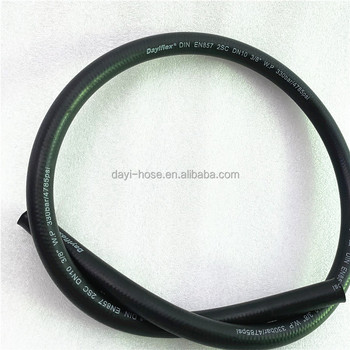
The 1/2 inch hydraulic hose is a critical component in hydraulic systems, facilitating the transmission of pressurized fluid to actuators and other components. Positioned within the broader power transmission and control industry, it serves as a flexible conduit, often replacing rigid metal tubing in applications requiring movement, vibration absorption, or complex routing. Core performance characteristics center on pressure rating, burst pressure, temperature resistance, and fluid compatibility. A key industry pain point is maintaining consistent performance under demanding conditions – extreme temperatures, corrosive fluids, and cyclical pressure fluctuations – and ensuring long-term reliability to minimize downtime and maintenance costs. The selection of appropriate hose construction materials and reinforcement is paramount to address these challenges. This guide provides a detailed technical overview of 1/2 inch hydraulic hose, encompassing material science, manufacturing, performance characteristics, failure modes, and industry standards.
Material Science & Manufacturing
1/2 hydraulic hose construction typically involves several layers. The inner tube, in direct contact with the fluid, is commonly made of synthetic rubbers like Nitrile (NBR), Ethylene Propylene Diene Monomer (EPDM), or Fluorocarbon (FKM/Viton). NBR offers excellent resistance to petroleum-based hydraulic fluids, while EPDM excels in phosphate ester fluid compatibility and high-temperature applications. FKM provides superior resistance to a wider range of aggressive chemicals and high temperatures, but at a higher cost. The reinforcement layer dictates the hose's pressure capacity and flexibility. Materials include one or multiple braids of high-strength steel wire, spiral-wound steel wire, or synthetic fiber (aramid or polyester) constructions. Steel wire reinforcement offers the highest pressure ratings, while synthetic fibers provide increased flexibility and reduced weight. The outer cover, providing environmental protection and abrasion resistance, is typically composed of Chloroprene (CR) or Polyurethane (PU). Manufacturing involves extrusion of the inner tube and outer cover, followed by the application of the reinforcement layer through braiding or winding processes. Key parameter control includes maintaining precise rubber compound formulations (durometer, tensile strength, elongation), consistent reinforcement layer density and coverage, and proper vulcanization (curing) of the rubber components to achieve desired mechanical properties. Quality control relies on burst pressure testing, impulse testing, and dimensional inspection to verify compliance with specifications.
Performance & Engineering
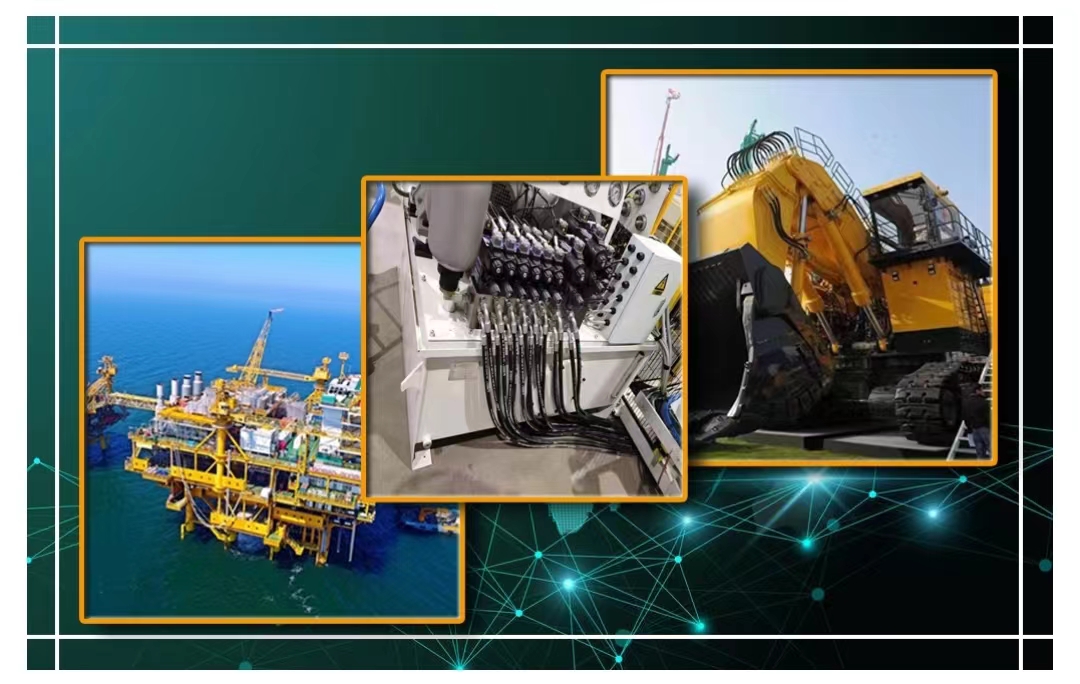
The performance of a 1/2 hydraulic hose is governed by several engineering principles. Hose pressure rating is determined by the tensile strength of the reinforcement layer and is expressed in PSI (pounds per square inch) or Bar. Burst pressure is typically four times the working pressure, representing the point of catastrophic failure. Fatigue resistance is crucial in applications involving cyclical pressure loading; repeated flexing and pressure surges can lead to premature failure. Finite Element Analysis (FEA) is frequently used to model stress distribution within the hose structure under various loading conditions. Environmental resistance considerations include temperature extremes, UV exposure, and exposure to corrosive fluids or chemicals. The hose must maintain its mechanical properties and prevent degradation across its operating temperature range. Compliance requirements vary by industry and region, often dictated by standards set by organizations like SAE International (SAE J517, SAE J189) and EN (European Norms). Proper hose routing is critical to avoid kinking, abrasion, and excessive bending, which can significantly reduce its service life. Consideration must also be given to hose end fitting compatibility (e.g., crimped fittings, field-attachable fittings) to ensure a leak-free and secure connection.
Technical Specifications
| Parameter | Unit | Typical Value (NBR Inner, Steel Wire Reinforcement) | Typical Value (FKM Inner, Spiral Steel Wire Reinforcement) |
|---|---|---|---|
| Inner Diameter | inch | 0.5 | 0.5 |
| Working Pressure | PSI | 2000 | 3000 |
| Burst Pressure | PSI | 8000 | 12000 |
| Temperature Range | °F | -40 to 212 | -20 to 450 |
| Reinforcement Type | - | Braided Steel Wire (4SP) | Spiral Steel Wire (6SP) |
| Fluid Compatibility | - | Petroleum-based Hydraulic Fluids | Wide Range, including aggressive chemicals |
Failure Mode & Maintenance
Common failure modes in 1/2 hydraulic hoses include: Fatigue cracking: Initiated by repeated flexing and pressure cycles, leading to cracks in the reinforcement layer. Abrasion: Damage to the outer cover from rubbing against surrounding components. Pinholes: Small punctures in the inner tube caused by foreign objects or internal corrosion. Blowouts: Sudden, catastrophic failure due to exceeding the working pressure or damage to the reinforcement. Kinking: Sharp bending of the hose, restricting fluid flow and potentially causing internal damage. Chemical Degradation: Breakdown of the rubber compounds due to exposure to incompatible fluids. Preventative maintenance is critical. This includes regular visual inspections for signs of wear, abrasion, or leaks. Hose routing should be checked to ensure proper support and protection. Fluid cleanliness is paramount; contaminants can accelerate wear and corrosion. Periodic pressure testing can identify weakened hoses before catastrophic failure. Replace hoses at recommended intervals, even if no visible damage is present. Proper hose handling during installation and storage is also important to avoid damage. When replacing a hose, ensure the new hose is compatible with the hydraulic fluid and operating conditions. Correctly crimped fittings are essential to prevent leaks and maintain hose integrity.
Industry FAQ
Q: What is the significance of the “spiral” vs. “braided” reinforcement construction?
A: Spiral reinforcement generally provides a higher pressure rating and greater flexibility compared to braided reinforcement. Braided reinforcement offers a tighter bend radius. The choice depends on the specific application requirements; spiral is preferred for high-pressure, long-run applications, while braided is suitable for tighter spaces and moderate pressures.
Q: How does temperature affect the performance of a hydraulic hose?
A: Temperature extremes can significantly impact hose performance. High temperatures can cause rubber compounds to degrade, reducing flexibility and pressure capacity. Low temperatures can make the rubber brittle and prone to cracking. Always select a hose rated for the expected operating temperature range.
Q: What are the consequences of using an incompatible hydraulic fluid with a particular hose material?
A: Incompatible fluids can cause the inner tube to swell, soften, or degrade, leading to leaks and premature failure. Always verify fluid compatibility before selecting a hose. Refer to the hose manufacturer’s specifications for recommended fluids.
Q: What is the proper procedure for crimping hose fittings?
A: Proper crimping is critical for a leak-free connection. The crimp size must be precise for the hose and fitting combination, as specified by the fitting manufacturer. Using an incorrect crimp size can lead to leaks, hose blowouts, or fitting damage. Use a calibrated crimping machine and follow the manufacturer’s instructions.
Q: How often should hydraulic hoses be replaced proactively?
A: Proactive replacement intervals depend on the application and operating conditions. As a general guideline, hoses should be replaced every 5 years, or sooner if subjected to harsh environments, frequent flexing, or high pressures. Regularly scheduled inspections are crucial to identify hoses requiring replacement.
Conclusion
The 1/2 hydraulic hose is a foundational component in countless hydraulic systems. Its reliable operation is directly tied to careful material selection – from the inner tube’s fluid compatibility to the reinforcement’s pressure handling capacity and the outer cover’s environmental protection. Understanding the engineering principles governing hose performance, including pressure ratings, fatigue resistance, and temperature limitations, is paramount for proper application and longevity.
Future advancements in hydraulic hose technology will likely focus on developing lighter-weight materials, improving chemical resistance, and integrating sensor technologies for real-time monitoring of hose condition. Prioritizing preventative maintenance, including regular inspections and timely replacement, remains the most effective strategy for maximizing uptime and minimizing operational costs associated with hydraulic systems.