
Apr . 01, 2024 17:55 Back to list
oem wrapped surface hydraulic hose suppliers Performance Analysis
Introduction
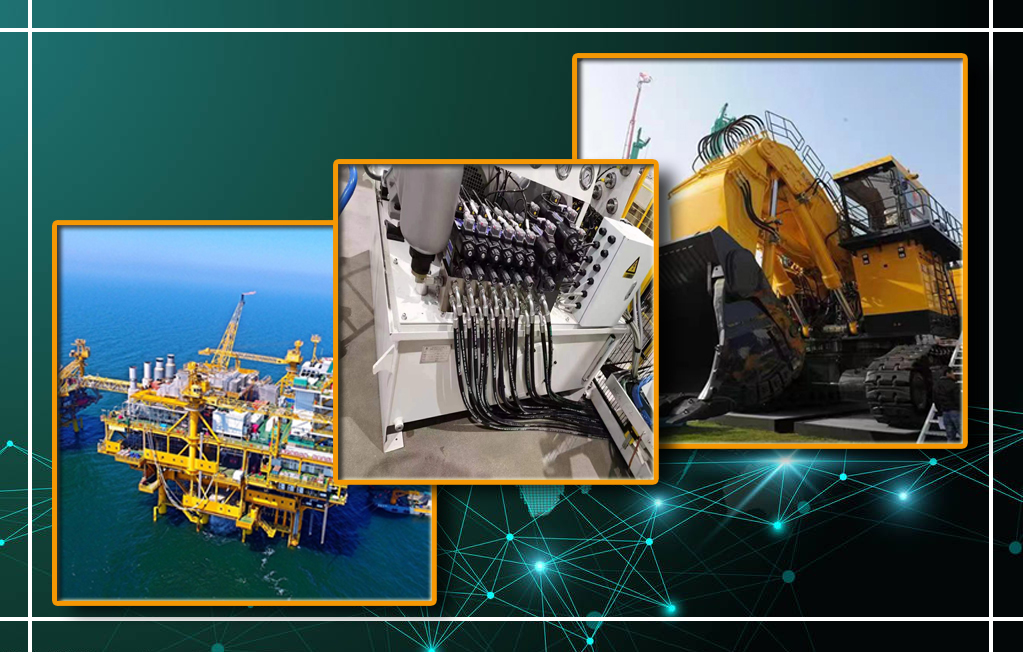
OEM wrapped surface hydraulic hoses represent a critical component in a diverse range of industrial applications, including construction machinery, agricultural equipment, material handling, and manufacturing processes. These hoses are engineered to transmit hydraulic fluid under high pressure, enabling the operation of hydraulic cylinders, motors, and other actuators. The "wrapped surface" designation refers to the reinforcement layer construction, typically consisting of multiple spiraled high-tensile wire or fiber braids encased within an outer protective cover. Their OEM (Original Equipment Manufacturer) designation signifies a level of customization and stringent quality control aimed at fulfilling specific equipment requirements. Core performance characteristics include burst pressure, working pressure, temperature resistance, and compatibility with various hydraulic fluids. A key industry pain point is maintaining consistent hose performance across fluctuating temperature and pressure cycles, alongside mitigating premature failure due to abrasion, chemical exposure, and internal erosion.
Material Science & Manufacturing
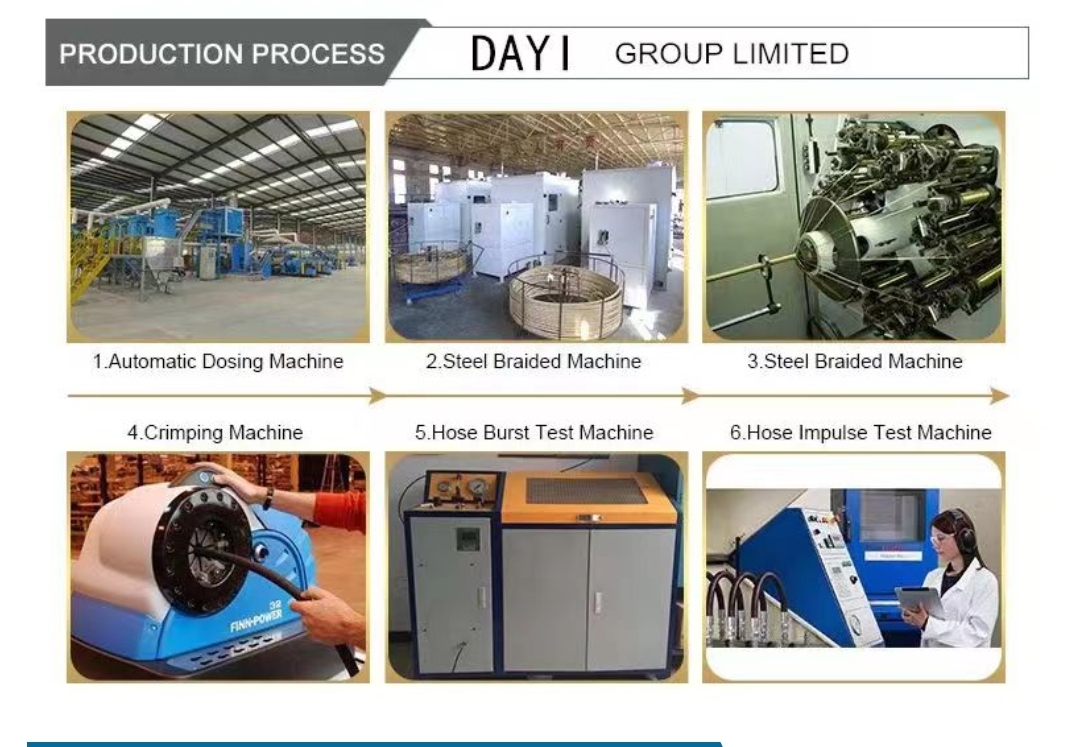
The fundamental material in hydraulic hose construction is the inner tube, commonly formulated from Nitrile Rubber (NBR), also known as Buna-N, due to its excellent resistance to petroleum-based hydraulic fluids. Alternative materials such as Ethylene Propylene Diene Monomer (EPDM) are utilized for phosphate ester fluids, offering superior compatibility. The reinforcement layer dictates the hose's pressure-withstanding capability and flexibility. High-tensile steel wire, often plated for corrosion resistance, is the predominant reinforcement choice for high-pressure applications. Synthetic fiber braids, such as polyester or aramid (Kevlar), provide a lighter weight alternative with good flexibility, suited for moderate pressure requirements. The outer cover, typically composed of Chloroprene rubber (CR) or Polyurethane (PU), provides abrasion, ozone, and weather resistance. Manufacturing processes begin with extrusion of the inner tube, followed by helical winding or braiding of the reinforcement layers. Precise tension control during braiding is critical to ensure uniform pressure distribution and prevent localized stress concentrations. The cover is then extruded over the reinforcement, followed by vulcanization – a curing process employing heat and pressure to cross-link the rubber polymers, enhancing their physical properties and dimensional stability. Key parameter control includes maintaining consistent rubber compound formulations, precise braiding angles, and accurate vulcanization temperatures and times. Improper vulcanization can lead to reduced tensile strength and accelerated aging.
Performance & Engineering
Hydraulic hose performance is fundamentally governed by force analysis under pressure. The hoop stress within the hose wall increases linearly with pressure and radius. The reinforcement layer must provide sufficient tensile strength to counteract this stress, preventing hose burst. Burst pressure is typically rated with a 4:1 safety factor applied to the working pressure. Environmental resistance is another crucial performance parameter. Exposure to extreme temperatures (both high and low) can alter the rubber compound's flexibility and reduce its resistance to fluid permeation. Ozone cracking, caused by atmospheric ozone attacking unsaturated bonds in the rubber, is a common failure mode addressed through the incorporation of antioxidants and UV stabilizers into the cover material. Abrasion resistance is paramount in applications involving contact with abrasive surfaces. The cover material's hardness and wear resistance are critical factors. Compliance requirements are dictated by industry standards such as SAE J517 (Hydraulic Hose – Performance Specifications) and ISO 6898 (Hydraulic hoses — Recommended practices). Functional implementation requires careful consideration of hose routing, bend radii, and fitting compatibility. Sharp bends can induce localized stress concentrations, leading to premature failure. Properly selected fittings must create a secure, leak-free seal and withstand the applied pressure.
Technical Specifications
| Parameter | Unit | Standard Specification (SAE J517 Type A) | High-Performance Specification |
|---|---|---|---|
| Working Pressure | PSI | 2000 | 5000 |
| Burst Pressure | PSI | 8000 | 20000 |
| Temperature Range | °F | -40 to +212 | -40 to +250 |
| Inner Tube Material | - | NBR (Buna-N) | EPDM (Phosphate Ester) / FKM (Viton) |
| Reinforcement | Layers | 2 Wire Braid | 4/6 Spiral Wire / Synthetic Fiber |
| Outer Cover Material | - | CR (Chloroprene) | PU (Polyurethane) |
Failure Mode & Maintenance
Common failure modes in wrapped surface hydraulic hoses include fatigue cracking, particularly at the fitting crimp due to cyclical flexing, and hose twist. Fatigue cracking initiates from microscopic flaws within the reinforcement layer, propagating under repeated stress. Delamination occurs when the bonding between the inner tube, reinforcement, and outer cover fails, leading to fluid leakage and a loss of structural integrity. External abrasion can wear through the cover, exposing the reinforcement to corrosion. Internal erosion, caused by particulate contamination in the hydraulic fluid, can gradually erode the inner tube wall. Oxidation and degradation of the rubber compounds over time due to exposure to heat, ozone, and UV radiation contribute to reduced flexibility and increased susceptibility to cracking. Maintenance solutions involve regular visual inspections for signs of damage, such as cracks, abrasions, and leaks. Fluid filtration is critical to remove particulate contaminants and prevent internal erosion. Proper hose routing, avoiding sharp bends and abrasive contact, extends hose life. Periodic replacement of hoses based on a preventative maintenance schedule, considering operating conditions and fluid compatibility, is essential. When replacing hoses, ensuring correct fitting selection and crimping procedures are followed is crucial to maintain the integrity of the connection.
Industry FAQ
Q: What is the impact of hydraulic fluid type on hose selection?
A: Hydraulic fluid compatibility is paramount. NBR (Buna-N) is suitable for petroleum-based fluids, but degrades rapidly with phosphate ester fluids. EPDM offers excellent resistance to phosphate esters, while FKM (Viton) provides broad compatibility with a wider range of fluids, including synthetic lubricants and aggressive chemicals. Incorrect fluid selection leads to inner tube swelling, softening, and eventual failure.
Q: How does hose length affect pressure ratings?
A: Longer hose lengths experience greater pressure drop due to fluid friction, potentially reducing overall system performance. More importantly, longer hoses are more susceptible to vibration and flexing, accelerating fatigue failure. Selecting the shortest practical hose length minimizes these effects. Furthermore, longer lengths may require additional support to prevent sagging and kinking.
Q: What are the key considerations for fitting selection?
A: Fittings must match the hose diameter, pressure rating, and fluid compatibility. Incorrectly sized or rated fittings can lead to leaks or catastrophic failure. Crimping procedures must be precise to ensure a secure, leak-free connection. Swaged fittings, offering a permanent connection, are generally preferred for high-pressure applications.
Q: How can I mitigate the risk of hose twist?
A: Hose twist induces internal stress and accelerates fatigue failure. Proper hose routing, avoiding sharp bends and restricting rotational movement, is crucial. Utilizing anti-twist devices or swivel fittings can help accommodate minor rotational forces. Regularly inspect hoses for signs of twist and address any issues promptly.
Q: What is the role of hose guarding in improving safety and longevity?
A: Hose guarding, such as spiral wrap or protective sleeves, provides abrasion resistance, protects against chemical exposure, and contains leaks in the event of hose failure. This significantly enhances safety by preventing fluid spray and reducing the risk of injury. It also prolongs hose life by minimizing external damage.
Conclusion
OEM wrapped surface hydraulic hoses are complex engineered components demanding careful material selection, precise manufacturing control, and diligent maintenance. Their performance is intimately linked to the interplay of pressure, temperature, fluid compatibility, and environmental factors. Understanding the underlying material science and potential failure modes is crucial for ensuring reliable operation and maximizing service life.
The continued evolution of hydraulic hose technology focuses on developing materials with enhanced abrasion and chemical resistance, optimizing reinforcement layer designs for improved flexibility and pressure capacity, and implementing advanced manufacturing techniques to ensure consistent quality. Prioritizing preventative maintenance and adhering to industry best practices remains paramount for minimizing downtime and maximizing the return on investment in these critical fluid power components.