
Apr . 01, 2024 17:55 Back to list
oem wrapped surface hydraulic hose manufacturers Performance Analysis
Introduction
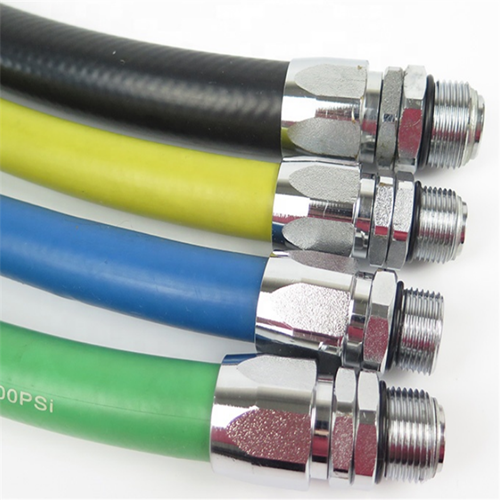
OEM wrapped surface hydraulic hoses represent a critical component in fluid power systems across numerous industries, including construction, agriculture, manufacturing, and oil & gas. These hoses are engineered to convey hydraulic fluid under high pressure, facilitating the operation of heavy machinery and industrial equipment. Unlike standard hydraulic hoses, the wrapped surface construction provides enhanced abrasion resistance and protection against external damage, crucial for applications exposed to harsh environments. The manufacturing process involves layering reinforcing materials (typically steel wire or synthetic fibers) within a rubber inner tube, followed by an external wrapping of textile or polymer to create the protective surface. This guide provides an in-depth analysis of the materials, manufacturing techniques, performance characteristics, failure modes, and relevant industry standards governing OEM wrapped surface hydraulic hoses, offering a technical resource for engineers, procurement professionals, and hose manufacturers.
Material Science & Manufacturing
The performance of a wrapped surface hydraulic hose is intrinsically linked to the materials used in its construction. The inner tube is commonly composed of synthetic rubbers like nitrile butadiene rubber (NBR) due to its excellent resistance to petroleum-based hydraulic fluids. However, for specialized applications requiring compatibility with phosphate ester fluids, fluorocarbon rubber (FKM/Viton) is often employed. Reinforcement layers are predominantly high-tensile steel wire, offering superior pressure resistance and burst strength. The number of layers and wire diameter are critical parameters dictating the hose's working pressure rating. The wrapping material, usually a woven polyester or nylon textile treated with a polymer coating (e.g., polyurethane), provides abrasion, ozone, and UV resistance. Manufacturing typically begins with extrusion of the inner tube, followed by spiral winding of the reinforcement layers onto a mandrel. The outer wrap is applied using automated braiding or wrapping machines, ensuring consistent coverage and adhesion. A crucial parameter in manufacturing is the adhesion between the layers; inadequate adhesion can lead to separation and premature failure. Post-processing includes vulcanization (curing) to crosslink the rubber compounds, enhancing their mechanical properties and chemical resistance. Precise control of temperature, pressure, and curing time is essential for optimal hose performance. Furthermore, the selection of adhesives used to bond the reinforcement layers to the inner tube and outer wrap must be carefully considered, ensuring compatibility with the rubber compounds and resistance to hydraulic fluid exposure.
Performance & Engineering
The engineering design of wrapped surface hydraulic hoses focuses on delivering reliable performance under demanding conditions. Key performance parameters include working pressure, burst pressure, temperature range, and fluid compatibility. Working pressure is determined by the hose’s construction – specifically, the number and type of reinforcement layers. Burst pressure is typically four times the working pressure, providing a safety factor. Finite element analysis (FEA) is frequently employed to simulate stress distribution within the hose under pressure loading, identifying potential weak points and optimizing the reinforcement configuration. Environmental resistance is paramount, with hoses needing to withstand exposure to temperature extremes, ozone, UV radiation, and corrosive fluids. The wrapping material plays a crucial role in protecting the reinforcement layers from corrosion. Hose flexibility and bend radius are also critical considerations, particularly in applications with tight routing requirements. Excessive bending can lead to fatigue failure of the reinforcement layers. Hydraulic fluid compatibility is essential to prevent swelling, degradation, or embrittlement of the rubber compounds. Compliance with industry standards like SAE J517 and EN 856 dictates specific performance requirements and testing procedures. Understanding the force analysis involved – tensile stress in the reinforcement, shear stress at the interfaces, and hoop stress in the tube – is crucial for accurate design and failure prediction. The selection of fittings also significantly impacts hose performance; fittings must be compatible with the hose material and capable of withstanding the anticipated pressure and temperature.
Technical Specifications
| Parameter | Unit | Specification Range | Test Standard |
|---|---|---|---|
| Working Pressure | MPa | 10 – 420 | SAE J517 |
| Burst Pressure | MPa | 40 – 1680 | SAE J517 |
| Temperature Range | °C | -40 to +100 | SAE J517 |
| Inner Tube Material | - | NBR, FKM | ASTM D2000 |
| Reinforcement Material | - | Steel Wire (1/4", 1/2", 3/4") | ASTM A938 |
| Outer Wrap Material | - | Polyester/Nylon with PU Coating | ASTM D7978 |
Failure Mode & Maintenance
Wrapped surface hydraulic hoses are susceptible to various failure modes. Common causes include fatigue cracking of the reinforcement layers due to repeated flexing, abrasion damage to the outer wrap, corrosion of the steel wire reinforcement (particularly in humid environments), and degradation of the rubber compounds due to exposure to heat, ozone, or incompatible fluids. Delamination between the layers can occur if adhesion is compromised. Burst failure results from exceeding the hose’s working pressure limit. Failure analysis often reveals initiating cracks at the fitting crimp or at areas of concentrated stress. Proper maintenance is crucial for extending hose lifespan. Regular visual inspections should be conducted to identify signs of abrasion, cracking, or swelling. Hoses should be replaced if any damage is detected. Avoid sharp bending and twisting, and ensure the hose is adequately supported to prevent excessive strain. Keep fittings clean and properly tightened. Fluid contamination can accelerate hose degradation, so regular fluid analysis and filtration are recommended. Storing hoses in a cool, dry, dark environment can prevent premature aging. When replacing hoses, ensure compatibility with the hydraulic fluid and operating conditions. Correct installation practices, including proper crimping of fittings, are critical for preventing leaks and ensuring reliable performance.
Industry FAQ
Q: What is the impact of hydraulic fluid type on hose lifespan?
A: Different hydraulic fluids exhibit varying levels of compatibility with rubber compounds. Incompatible fluids can cause swelling, softening, or cracking of the inner tube, leading to premature failure. Phosphate ester fluids, for example, require specialized hose constructions utilizing fluorocarbon rubber (FKM) inner tubes.
Q: How does hose layline marking contribute to safety and traceability?
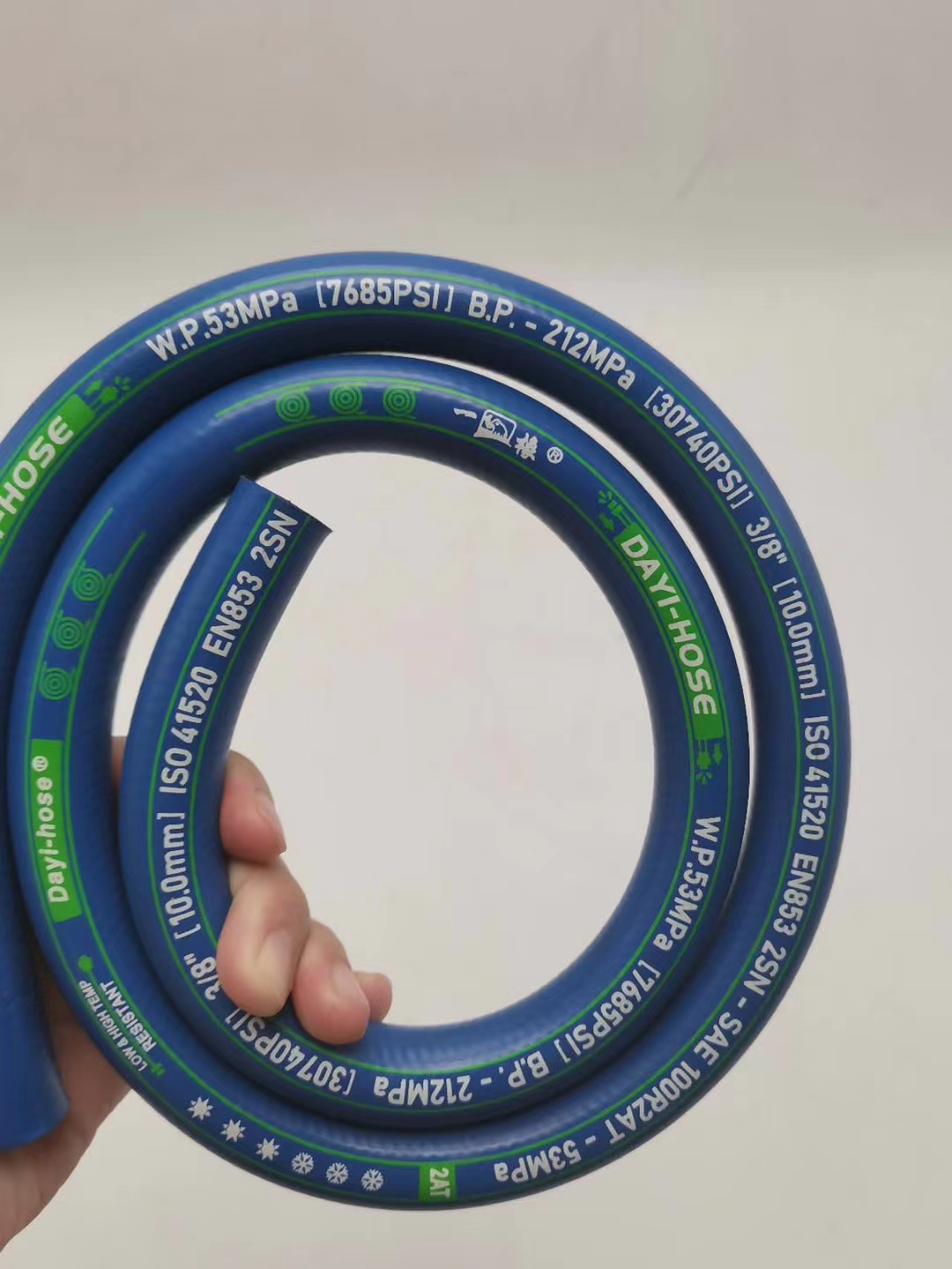
A: Layline markings provide critical information about the hose's manufacturer, production date, working pressure, and fluid compatibility. This information is essential for proper identification, traceability, and ensuring the hose is used within its specified limits.
Q: What are the best practices for storing hydraulic hoses to prevent degradation?
A: Hydraulic hoses should be stored in a cool, dry, dark, and well-ventilated environment. Avoid direct sunlight, extreme temperatures, and contact with ozone sources. Coiling the hose loosely without excessive bending is recommended.
Q: What is the significance of the hose’s bend radius, and how is it determined?
A: The bend radius is the minimum radius to which the hose can be bent without causing damage to the reinforcement layers. Exceeding the specified bend radius can lead to fatigue failure. The bend radius is typically specified by the hose manufacturer and is dependent on the hose’s diameter and construction.
Q: What role do fittings play in overall hose performance and reliability?
A: Fittings are a critical component of the hydraulic system. They must be compatible with the hose material, capable of withstanding the operating pressure and temperature, and properly crimped to ensure a leak-free seal. Incorrectly sized or improperly installed fittings can lead to premature failure.
Conclusion
OEM wrapped surface hydraulic hoses are sophisticated engineered products designed for demanding fluid power applications. Their performance and reliability are dictated by a complex interplay of material science, manufacturing precision, and adherence to stringent industry standards. Understanding the key parameters governing hose selection, installation, and maintenance is paramount for ensuring safe and efficient operation of hydraulic systems. Careful consideration of fluid compatibility, pressure ratings, temperature ranges, and environmental factors is essential for optimizing hose lifespan and preventing premature failure.
Looking ahead, advancements in materials science – such as the development of more durable and chemically resistant rubber compounds and high-strength reinforcement materials – will continue to enhance the performance and longevity of wrapped surface hydraulic hoses. Furthermore, the increasing adoption of predictive maintenance technologies, incorporating sensors and data analytics, will enable proactive identification of potential failure points, optimizing maintenance schedules and minimizing downtime. The future of hydraulic hose technology lies in continuous innovation and a commitment to exceeding the evolving demands of modern industrial applications.