
Apr . 01, 2024 17:55 Back to list
oem wrapped surface hydraulic hose manufacturer Performance Analysis
Introduction
OEM wrapped surface hydraulic hose represents a critical component in fluid power systems across diverse industries, including construction, agriculture, manufacturing, and automotive. These hoses are engineered to transmit hydraulic fluid under high pressure, facilitating the operation of heavy machinery and equipment. The "wrapped surface" designation refers to the reinforcing layers applied externally to the hose carcass, enhancing burst strength and protecting against abrasion and environmental degradation. Their OEM (Original Equipment Manufacturer) designation indicates a bespoke production model, tailored to the specific performance demands and dimensional constraints of the integrating system. This guide provides an in-depth examination of the materials, manufacturing processes, performance characteristics, failure modes, and industry standards governing OEM wrapped surface hydraulic hose, addressing key concerns for procurement managers and engineering professionals.
Material Science & Manufacturing
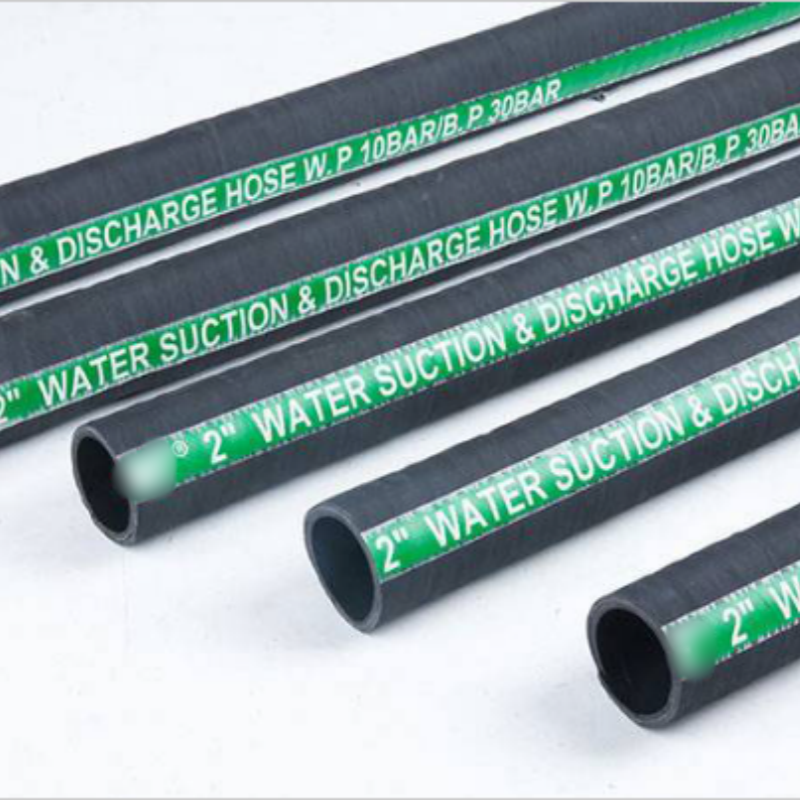
The construction of an OEM wrapped surface hydraulic hose involves several key material components and manufacturing stages. The inner tube is typically composed of synthetic rubber compounds, with Nitrile Rubber (NBR) being a common choice for its resistance to petroleum-based hydraulic fluids. Other materials include Chloroprene (CR) for improved ozone and weathering resistance, and Ethylene Propylene Diene Monomer (EPDM) for compatibility with phosphate ester fluids. The reinforcement layer(s) are critical for withstanding internal pressure. These layers often consist of multiple plies of high-tensile strength steel wire, spirally or braided within the hose structure. The wrapping, defining the 'wrapped surface', utilizes textile materials such as polyester or nylon, saturated with rubber compounds, providing abrasion resistance and containment of the reinforcing wires. Finally, the outer cover, typically a synthetic rubber like polyurethane, offers environmental protection and resistance to oil, chemicals, and UV radiation.
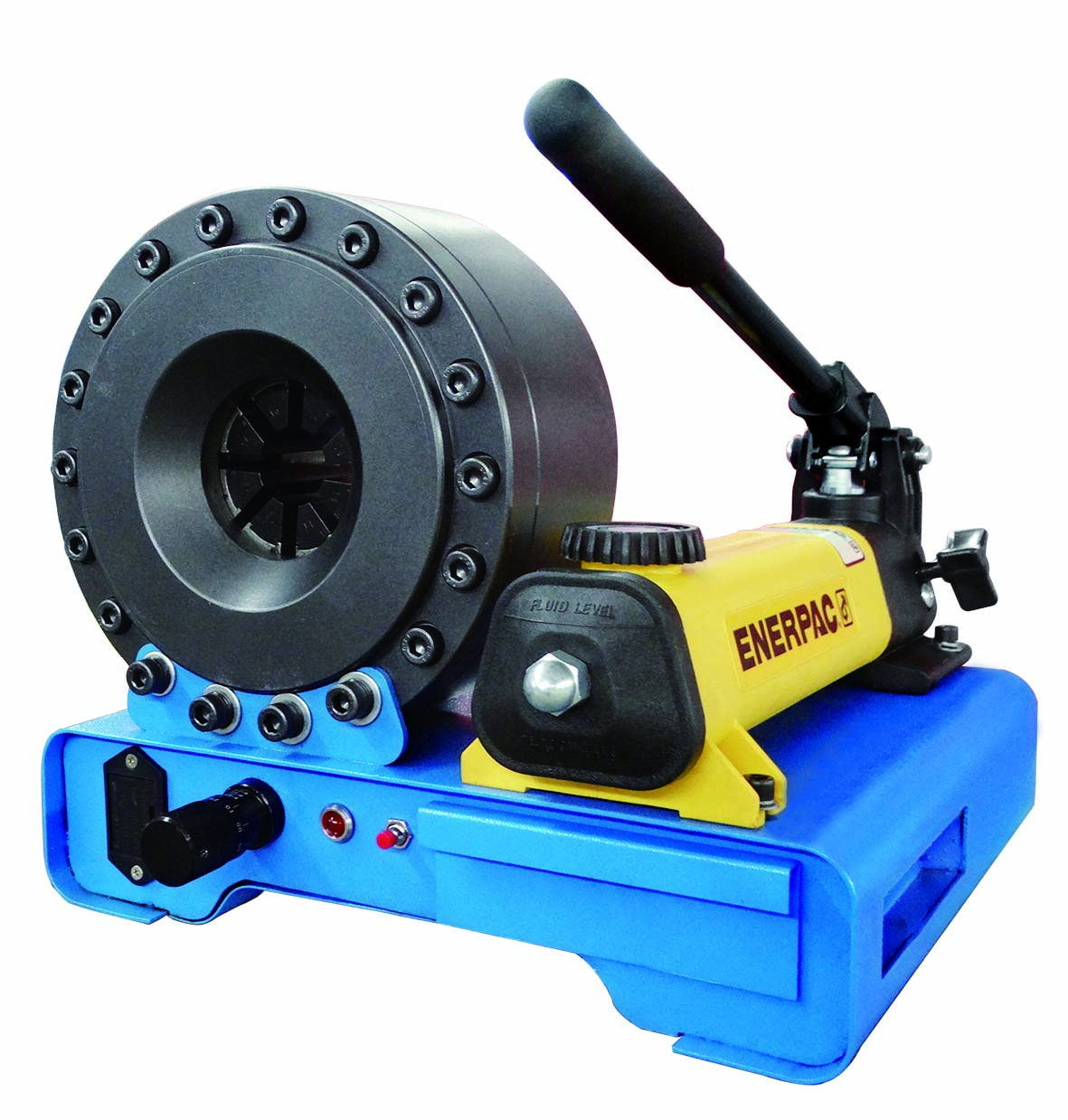
Manufacturing begins with extrusion of the inner tube. The reinforcement layers are then applied, followed by the application of the wrapping layers via automated winding machines. Precise tension control during winding is paramount, ensuring uniform stress distribution and preventing premature failure. The outer cover is then extruded over the wrapped carcass, followed by curing in a heated autoclave. Critical parameters during curing include temperature, pressure, and time, all of which directly influence the final properties of the hose, specifically its flexibility, burst pressure, and resistance to degradation. Quality control measures throughout the process include dimensional checks, pressure testing (performed at levels exceeding operational requirements – often a 4:1 safety factor), and impulse testing to assess fatigue life.
Performance & Engineering
The performance of a wrapped surface hydraulic hose is dictated by its ability to reliably transmit fluid under demanding conditions. Key engineering considerations include burst pressure, working pressure, temperature range, and fluid compatibility. Burst pressure, determined by standardized testing (e.g., ISO 3966), represents the maximum pressure the hose can withstand before catastrophic failure. Working pressure is typically a fraction of the burst pressure, providing a safety margin for normal operation. The selection of rubber compounds impacts the operating temperature range; NBR typically performs well between -40°C and 100°C, while other materials may offer wider ranges. Fluid compatibility is critical to prevent swelling, softening, or degradation of the inner tube.
Force analysis involves calculating the hoop stress within the hose wall due to internal pressure. This stress is directly proportional to the pressure and the hose radius, and inversely proportional to the wall thickness. The reinforcement layers are engineered to resist this hoop stress, preventing expansion and rupture. Environmental resistance is a significant factor, particularly in outdoor applications. UV radiation can cause cracking and embrittlement of the outer cover. Chemical exposure from spills or atmospheric pollutants can degrade the rubber compounds. Compliance with industry standards (e.g., SAE J517, EN 853, GB/T 36867) ensures that hoses meet minimum performance requirements for safety and reliability. Consideration must also be given to hose bend radius – exceeding the minimum bend radius can induce kinking and reduce flow, while repeated bending can cause fatigue cracking.
Technical Specifications
| Parameter | Unit | Typical Value (NBR Inner Tube, Steel Wire Reinforcement) | Testing Standard |
|---|---|---|---|
| Working Pressure | MPa | 25 | SAE J517 |
| Burst Pressure | MPa | 100 | ISO 3966 |
| Temperature Range | °C | -40 to +100 | DIN EN 853 |
| Hose Diameter (Inner) | mm | 19 | GB/T 36867 |
| Hose Diameter (Outer) | mm | 33 | SAE J517 |
| Minimum Bend Radius | mm | 150 | ISO 3966 |
Failure Mode & Maintenance
Failure modes in wrapped surface hydraulic hoses are diverse and can result from a combination of factors. Fatigue cracking, initiated by repeated bending and flexing, is a common cause of failure, particularly in applications with dynamic loading. Delamination, the separation of reinforcement layers, can occur due to inadequate bonding between layers or exposure to corrosive fluids. Rubber degradation, caused by ozone attack, UV exposure, or chemical incompatibility, leads to loss of flexibility and eventual cracking. Oxidation, particularly at elevated temperatures, causes hardening and embrittlement of the rubber compounds. Abrasion, from external contact with abrasive surfaces, can wear through the outer cover, exposing the reinforcement layers to corrosion. Internal corrosion can occur if the hose is exposed to fluids containing moisture and oxygen.
Preventive maintenance is crucial to maximizing hose lifespan. Regular visual inspections should be conducted to identify signs of cracking, abrasion, or swelling. Hoses should be replaced if any damage is detected. Proper routing and support are essential to prevent kinking and excessive bending. Fluid contamination should be minimized through filtration. Hose assemblies should be inspected for proper crimping and connection security. When storing hoses, they should be kept in a cool, dry, and dark environment. Periodic pressure testing, conducted by qualified personnel, can help identify potential weaknesses before catastrophic failure occurs. Record-keeping of hose installation dates and inspection results is also recommended.
Industry FAQ
Q: What is the impact of fluid velocity on hose life?
A: Higher fluid velocities can exacerbate erosion of the inner tube and increase heat generation, accelerating rubber degradation. Optimizing system design to reduce fluid velocity and utilizing hoses with abrasion-resistant inner tubes can mitigate these effects.
Q: How does hose layline affect performance?
A: The layline refers to the spiral angle of the reinforcement wires. A steeper layline provides higher flexibility, while a shallower layline offers greater kink resistance. The optimal layline depends on the specific application requirements.
Q: What is the role of the cover in overall hose performance?
A: The outer cover provides critical protection against abrasion, UV radiation, ozone, and chemical attack. It also contributes to the hose's flexibility and overall durability. The choice of cover material should be based on the intended operating environment.
Q: How do I determine the correct hose size for my application?
A: Hose size is determined by flow rate, pressure drop, and fluid compatibility. Using a hose that is too small will result in excessive pressure drop and heat generation, while a hose that is too large may be unnecessarily expensive and difficult to handle.
Q: What is the difference between spiral and braided reinforcement?
A: Spiral reinforcement offers higher flexibility and resistance to bending, while braided reinforcement provides greater burst strength and kink resistance. The choice depends on the specific application and pressure requirements.
Conclusion
OEM wrapped surface hydraulic hoses are engineered components critical to the functionality and safety of numerous hydraulic systems. Their performance hinges on a complex interplay of material science, precise manufacturing controls, and adherence to rigorous industry standards. Understanding the underlying principles governing hose construction, failure modes, and maintenance protocols is paramount for procurement professionals and engineers seeking to optimize system reliability and minimize downtime. The selection of appropriate materials, coupled with diligent inspection and preventive maintenance practices, are essential to maximizing the lifespan and ensuring the safe operation of these critical components.
Looking forward, advancements in material science, such as the development of self-healing rubber compounds and more durable wrapping materials, will continue to enhance the performance and longevity of wrapped surface hydraulic hoses. Furthermore, the increasing adoption of digital technologies, including sensor integration and predictive maintenance algorithms, will enable proactive identification of potential failures and optimize maintenance schedules. Ultimately, a holistic approach encompassing robust design, quality manufacturing, and proactive maintenance will remain the cornerstone of reliable hydraulic system operation.