
Apr . 01, 2024 17:55 Back to list
oem wrapped surface hydraulic hose factory Performance Analysis
Introduction
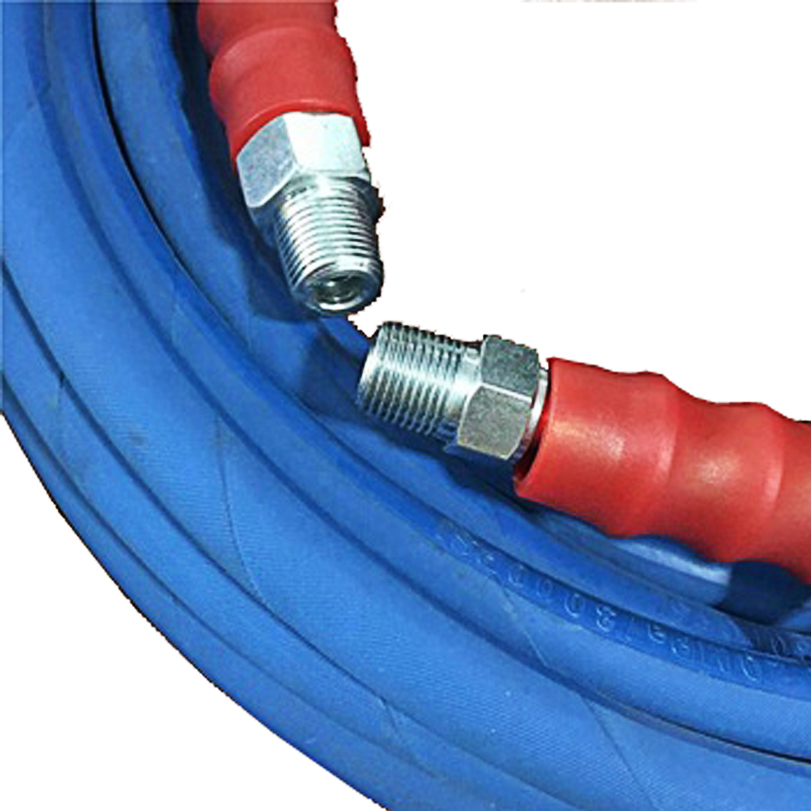
OEM wrapped surface hydraulic hose represents a critical component in fluid power systems across diverse industries including construction, agriculture, manufacturing, and automotive. These hoses are engineered to transmit hydraulic fluid under high pressure, facilitating the operation of machinery and equipment. The 'wrapped surface' designation refers to reinforcement layers applied externally to the hose, providing enhanced pressure resistance and durability. Unlike smooth cover hoses, the wrapped construction offers superior abrasion resistance and protection against environmental factors. This technical guide provides an in-depth analysis of the material science, manufacturing processes, performance characteristics, failure modes, and industry standards associated with OEM wrapped surface hydraulic hose, addressing the core concerns of procurement and engineering professionals. The core performance criteria center around burst pressure, working pressure, temperature range, fluid compatibility, and service life, all influenced by the hose’s construction and materials.
Material Science & Manufacturing
The foundation of a high-performance hydraulic hose lies in the selection of appropriate materials. The inner tube is typically constructed from a synthetic rubber compound, commonly nitrile rubber (NBR) for mineral oil-based hydraulic fluids, or ethylene propylene diene monomer (EPDM) for phosphate ester fluids. NBR offers excellent resistance to abrasion and petroleum-based fluids, while EPDM provides superior heat and ozone resistance. The reinforcement layer, crucial for pressure containment, usually consists of multiple braids of high-tensile steel wire. The number of braids directly correlates with the hose's maximum working pressure. Wrapping layers, typically comprised of synthetic textiles like polyester or nylon, are applied externally to the steel wire braids. These layers provide cut and abrasion resistance, as well as protection against environmental degradation. The outer cover is usually a synthetic rubber compound, often polyurethane, chosen for its resistance to oil, chemicals, and weathering.
Manufacturing commences with the extrusion of the inner tube to precise dimensions. The steel wire reinforcement is then spirally wound around the inner tube. This braiding process requires tight control of wire tension and pitch to ensure uniform pressure distribution. Following braiding, the wrapping layers are applied, often using automated winding machines. The outer cover is then extruded over the wrapped reinforcement, creating the final hose assembly. Critical process parameters include extrusion temperature, cure time, and pressure, all meticulously controlled to ensure the rubber compounds vulcanize properly and achieve desired physical properties. Post-extrusion, hoses undergo rigorous testing, including hydrostatic pressure testing, impulse testing, and dimensional inspection, to verify compliance with industry standards. Quality control throughout the manufacturing process is paramount to prevent defects that could compromise hose integrity.
Performance & Engineering
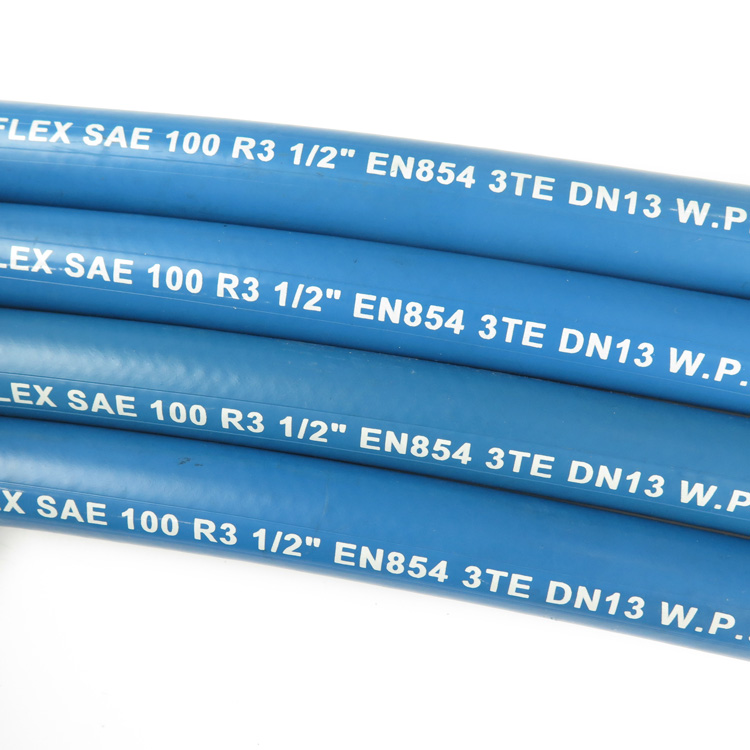
Hydraulic hose performance is fundamentally governed by force analysis under pressure. Hoop stress, the tensile stress acting circumferentially within the hose wall, increases proportionally with internal pressure. The steel wire reinforcement is designed to withstand this hoop stress, preventing hose expansion and rupture. The number of braids, wire diameter, and steel grade directly influence the hose’s burst pressure. Fatigue resistance is another critical performance parameter, particularly in applications involving pulsating flow. Repeated pressure cycles can lead to fatigue cracking in the reinforcement layers. Impulse testing, simulating pulsating flow conditions, is essential to assess fatigue life. Environmental resistance is crucial for hoses operating in harsh conditions. Exposure to extreme temperatures, UV radiation, ozone, and chemicals can degrade the rubber compounds, reducing their elasticity and strength. The outer cover material plays a vital role in providing protection against these environmental factors.
Engineering considerations extend to proper hose assembly and installation. Incorrect fitting selection, improper crimping, and excessive bending radius can significantly reduce hose life. Fittings must be compatible with the hose material and rated for the intended working pressure. Crimping, the process of attaching fittings to the hose, must be performed with calibrated equipment to ensure a secure, leak-free connection. Bending radius should adhere to manufacturer recommendations to avoid kinking and internal damage. Furthermore, hose routing must consider potential abrasion points and exposure to extreme temperatures. Compliance requirements, dictated by industry regulations (discussed in the footer), often specify minimum burst pressures, temperature ranges, and fluid compatibility standards. Adhering to these standards is crucial for ensuring safe and reliable operation.
Technical Specifications
| Parameter | Unit | Specification Range (Typical) | Testing Standard |
|---|---|---|---|
| Working Pressure | MPa | 10 – 420 | SAE J517 |
| Burst Pressure | MPa | 30 – 1260 | SAE J517 |
| Temperature Range | °C | -40 to +100 | SAE J517 |
| Inner Tube Material | - | NBR, EPDM | ASTM D2000 |
| Reinforcement | - | Steel Wire Braid (1SP to 6SP) | SAE J1926 |
| Outer Cover Material | - | Polyurethane | ASTM D2000 |
Failure Mode & Maintenance
Hydraulic hose failure can manifest in several forms. Fatigue cracking, often initiated at the braid crossover points, is a common failure mode in applications with pulsating flow. This is exacerbated by improper installation and exceeding pressure limits. Abrasion damage, resulting from contact with abrasive surfaces, can compromise the outer cover and expose the reinforcement layers to corrosion. Chemical attack, caused by incompatible fluids, can degrade the rubber compounds, leading to swelling, cracking, and loss of elasticity. Kinking, caused by excessive bending, can damage the inner tube and restrict fluid flow. Delamination, the separation of layers, can occur due to inadequate bonding between the inner tube, reinforcement, and outer cover. Oxidation, particularly at elevated temperatures, can degrade the rubber compounds, reducing their strength and flexibility.
Preventative maintenance is crucial for extending hose life and preventing catastrophic failures. Regular visual inspections should be conducted to identify signs of abrasion, cracking, swelling, and leakage. Hose assemblies should be replaced at recommended intervals, even if no visible damage is present. Fluid compatibility should be verified to ensure the hose material is suitable for the intended application. Proper installation practices, including correct fitting selection, crimping, and bending radius, are essential. Hose routing should be optimized to minimize abrasion and exposure to extreme temperatures. If a hose fails, a thorough failure analysis should be conducted to identify the root cause and prevent recurrence. Replacing damaged hoses with OEM-specified components ensures compatibility and maintains system integrity.
Industry FAQ
Q: What is the significance of 'spiral wire reinforcement' versus 'braided wire reinforcement' in hydraulic hose construction?
A: Spiral wire reinforcement, typically found in higher-pressure hoses, consists of a single wire wound continuously around the inner tube. This provides greater axial stability and resistance to stretching under pressure compared to braided reinforcement, which uses multiple wires interwoven in a braided pattern. Spiral reinforcement allows for thinner hose walls and higher pressure ratings, but may be less flexible than braided hoses.
Q: How does temperature affect the performance and lifespan of a hydraulic hose?
A: Extreme temperatures, both high and low, can significantly impact hose performance. High temperatures accelerate rubber degradation, reducing elasticity and strength. Low temperatures can cause rubber to become brittle and more susceptible to cracking. Hose materials are typically rated for a specific temperature range; exceeding these limits will compromise performance and shorten lifespan.
Q: What are the key considerations when selecting a hydraulic hose for a specific fluid?
A: Fluid compatibility is paramount. The inner tube material must be resistant to the chemical properties of the hydraulic fluid to prevent swelling, degradation, and leakage. Different fluids require different hose materials; for example, phosphate ester fluids require EPDM inner tubes, while mineral oil-based fluids are compatible with NBR.
Q: What are the common causes of hose fitting leakage, and how can they be prevented?
A: Common causes include improper crimping, damaged fitting threads, incompatible fittings, and debris contamination. Prevention involves using calibrated crimping equipment, inspecting fitting threads for damage, ensuring fitting compatibility with the hose, and using appropriate seals and thread sealants. Regular inspection and tightening of fittings are also crucial.
Q: How important is the bend radius in hydraulic hose installation, and what are the consequences of exceeding the recommended limit?
A: Bend radius is critically important. Exceeding the recommended minimum bend radius can cause kinking, internal damage to the inner tube, and restricted fluid flow. This can lead to pressure drops, increased stress on the hose, and premature failure. Always adhere to the manufacturer’s specified bend radius to ensure optimal performance and longevity.
Conclusion
OEM wrapped surface hydraulic hose are engineered to meet stringent performance and safety requirements in demanding industrial applications. The selection of appropriate materials, meticulous manufacturing processes, and adherence to industry standards are essential for ensuring reliability and longevity. Understanding the potential failure modes and implementing preventative maintenance practices are crucial for maximizing hose lifespan and minimizing downtime. The careful consideration of working pressure, temperature range, fluid compatibility, and environmental factors is paramount in the specification and application of these critical components.
Future advancements in hydraulic hose technology will likely focus on the development of new materials with enhanced chemical resistance, temperature stability, and abrasion resistance. Smart hose technology, incorporating sensors for pressure monitoring and leak detection, may also become increasingly prevalent. Continued refinement of manufacturing processes and quality control measures will further improve hose performance and reliability. Ultimately, a thorough understanding of the technical principles outlined in this guide is essential for procurement and engineering professionals seeking to optimize hydraulic system performance and ensure operational safety.