
Apr . 01, 2024 17:55 Back to list
oem wrapped surface hydraulic hose factories Performance Analysis
Introduction
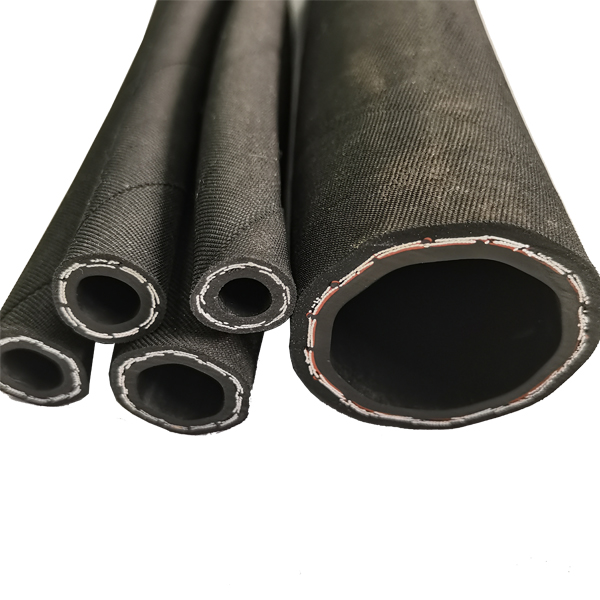
OEM wrapped surface hydraulic hoses are critical components in fluid power systems, designed for the transmission of hydraulic fluid under significant pressure. These hoses differ from standard hydraulic hose constructions by incorporating a robust outer wrapping – typically comprised of synthetic textiles – over the outer cover layer. This wrapping provides enhanced abrasion resistance, cut resistance, and protection against environmental degradation, making them ideally suited for harsh operating conditions prevalent in industries such as construction, agriculture, mining, and material handling. Their role extends beyond simple fluid conveyance; they are integral to the safe and efficient operation of heavy machinery, directly impacting system performance and longevity. A key industry challenge lies in achieving a balance between flexibility, pressure resistance, and durability, particularly when meeting increasingly stringent safety and environmental regulations. OEM involvement, signified by ‘Original Equipment Manufacturer’ customization, allows for tailoring of hose characteristics to specific application demands, improving system integration and reliability. This guide details the materials, manufacturing, performance, failure modes, and maintenance considerations essential for informed procurement and successful implementation of these hoses.
Material Science & Manufacturing
The construction of an OEM wrapped surface hydraulic hose relies on several key materials, each contributing to its overall performance. The inner tube, typically composed of synthetic rubbers like nitrile (NBR), ethylene propylene diene monomer (EPDM), or fluorocarbon (FKM/Viton), provides compatibility with a wide range of hydraulic fluids. NBR offers excellent resistance to petroleum-based fluids, EPDM excels in phosphate ester fluid compatibility and high-temperature applications, while FKM provides superior resistance to aggressive chemicals and extreme temperatures. The reinforcement layer, crucial for pressure resistance, commonly utilizes multiple high-tensile strength steel wire spirals or braids. The number of layers and wire diameter directly correlate with the hose's working and burst pressures. Between the reinforcement and the outer cover lies the bias ply, often constructed from multiple layers of textile fabric (e.g., polyester or nylon), enhancing flexibility and dimensional stability. The outer cover, generally formulated from synthetic rubbers like chloroprene (CR) or polyurethane (PU), provides abrasion and weather resistance. Finally, the wrapping layer—the defining feature—is typically comprised of woven polyester, nylon, or polypropylene fibers, impregnated with a durable coating for added protection.
Manufacturing involves a multi-stage process. Inner tube extrusion creates a continuous, homogenous layer. Reinforcement layers are wound onto the inner tube, meticulously controlled for consistent pitch and tension. The bias ply is then applied, followed by the outer cover extrusion. Crucially, precise control of temperature and pressure during extrusion and curing is essential for achieving the desired rubber vulcanization and bonding between layers. The wrapping process employs specialized machinery to tightly wind the textile wrapping around the hose body, often incorporating adhesive bonding for enhanced integration. Quality control at each stage includes dimensional checks, pressure testing (hydrostatic and impulse testing), and visual inspection for defects. OEM specifications frequently require unique branding, length markings, and traceability codes to be incorporated during the manufacturing process, demanding adaptable production lines and rigorous documentation.
Performance & Engineering
The performance of wrapped surface hydraulic hoses is governed by several engineering principles. Burst pressure, working pressure, and impulse pressure ratings are paramount, dictated by the reinforcement layer configuration and material properties. Hose flexibility, measured by bend radius, impacts ease of installation and resistance to kinking. Abrasion resistance, enhanced by the wrapping, is crucial in environments with abrasive contact. Temperature resistance, determined by the rubber compounds used, defines the operational temperature range. The hose must withstand cyclic loading, repeated pressure fluctuations, and potential exposure to corrosive substances.
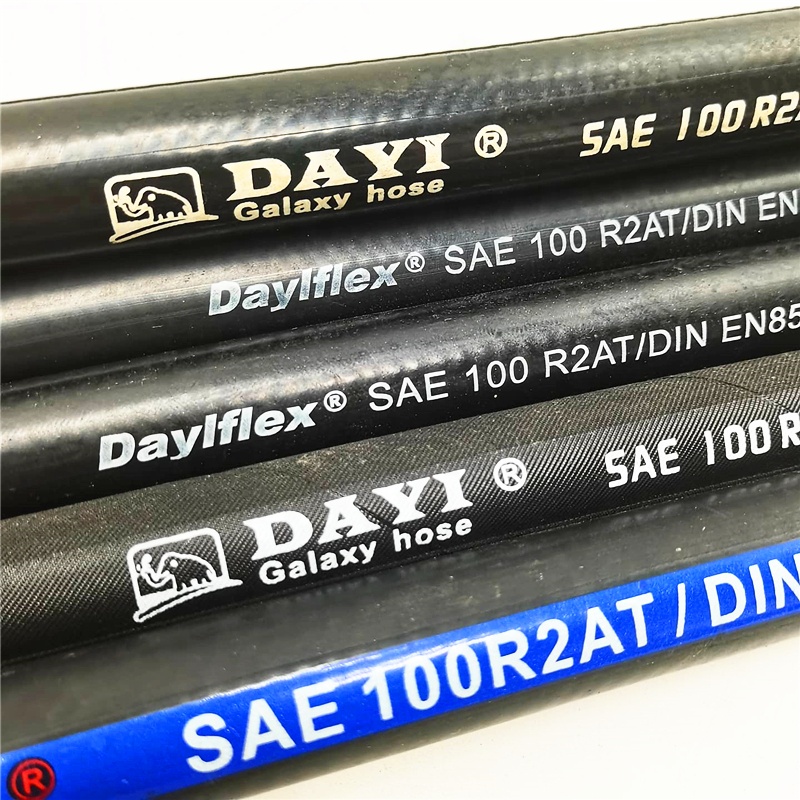
Force analysis is vital during design. Tensile stress within the reinforcement layers must be carefully calculated to ensure structural integrity under maximum pressure. Fatigue analysis predicts the hose's lifespan under repeated loading cycles. Environmental resistance necessitates consideration of ozone degradation, UV exposure, and fluid compatibility. Compliance requirements, such as those outlined in SAE J517, EN 853, and DIN EN 489, dictate minimum performance standards and testing procedures. Furthermore, proper hose assembly, including correct crimping procedures and fitting selection, is critical. Incorrect crimping can lead to premature failure, either through loosening of the fitting or over-stressing the hose reinforcement. Finite Element Analysis (FEA) is increasingly employed to optimize hose design and predict performance under complex loading conditions.
Technical Specifications
| Parameter | Unit | Typical Value (NBR Inner Tube, Steel Wire Reinforcement) | Test Standard |
|---|---|---|---|
| Working Pressure | MPa | 20 | SAE J517 |
| Burst Pressure | MPa | 80 | SAE J517 |
| Temperature Range | °C | -40 to +100 | SAE J517 |
| Minimum Bend Radius | mm | 4D (D = hose inner diameter) | Manufacturer Specification |
| Outer Diameter | mm | 25-100 (varies with reinforcement) | Manufacturer Specification |
| Wrapping Material | - | Polyester | Manufacturer Specification |
Failure Mode & Maintenance
Wrapped surface hydraulic hoses are susceptible to several failure modes. Fatigue cracking, initiated by repeated pressure cycles, often occurs in the reinforcement layers. Abrasion, particularly in harsh environments, can erode the outer cover and eventually penetrate the reinforcement. Kinking, resulting from excessive bending, can damage the inner tube and restrict flow. Chemical attack, caused by incompatible fluids, leads to degradation of the rubber compounds. Fitting corrosion can compromise the integrity of the connection. External damage, such as cuts or punctures, breaches the hose’s containment. Internal degradation, stemming from fluid contamination or oxidation, weakens the inner tube.
Preventive maintenance is crucial for extending hose lifespan. Regular visual inspections should identify abrasion, cuts, kinks, and leaks. Proper hose routing minimizes bending and contact with abrasive surfaces. Fluid cleanliness is paramount; filtration systems should be employed to remove contaminants. Correct fitting selection and crimping procedures prevent leaks and ensure secure connections. Hoses should be replaced at recommended intervals or when signs of degradation are observed. Storage conditions also play a role; hoses should be stored in a cool, dry, and dark environment, away from direct sunlight and ozone sources. Failure analysis, involving microscopic examination of fracture surfaces, helps determine the root cause of failures and informs future design or maintenance strategies.
Industry FAQ
Q: What are the key advantages of a wrapped surface hydraulic hose over a standard hose?
A: The primary advantage is significantly enhanced abrasion and cut resistance provided by the wrapping layer. This translates to increased service life in harsh environments, reduced downtime, and improved safety. The wrapping also provides a degree of protection against environmental factors like UV and ozone.
Q: What type of wrapping material is most suitable for high-temperature applications?
A: Polyester and nylon are common choices, but for elevated temperatures, specialized high-temperature resistant textiles, such as fiberglass or aramid fibers, are preferred. The coating applied to the wrapping material is equally important for thermal stability.
Q: How does the number of steel wire spirals impact the hose's pressure rating?
A: Increasing the number of steel wire spirals directly increases the hose's resistance to internal pressure. Each spiral layer contributes to the overall tensile strength of the reinforcement, allowing the hose to withstand higher pressures without deformation or failure.
Q: What is the proper procedure for inspecting a hydraulic hose for damage?
A: Visual inspection should cover the entire hose length, looking for cuts, abrasions, kinks, bulges, cracks, and leaks at the fittings. Pay close attention to areas near fittings and where the hose is routed around corners. A hydrostatic test can verify the hose’s internal integrity.
Q: What are the common causes of hydraulic hose leaks at the fitting connection?
A: Common causes include improper crimping, incorrect fitting selection, corrosion of the fitting or hose shank, and damage to the sealing surfaces. Regular inspection and proper maintenance of fittings are essential to prevent leaks.
Conclusion
OEM wrapped surface hydraulic hoses represent a critical advancement in fluid power technology, providing enhanced durability and reliability in demanding applications. The combination of robust materials, precise manufacturing processes, and careful engineering design enables these hoses to withstand extreme pressures, temperatures, and environmental conditions. Understanding the underlying material science, potential failure modes, and appropriate maintenance procedures is vital for maximizing hose lifespan and ensuring safe and efficient operation of hydraulic systems.
Future development will likely focus on utilizing advanced materials—such as thermoplastic composites—to further reduce weight and improve corrosion resistance. Smart hose technology, incorporating embedded sensors to monitor pressure, temperature, and strain, will enable predictive maintenance and optimize system performance. Continued adherence to international standards and rigorous quality control measures will be essential for maintaining the high level of performance and safety demanded by this critical component.