
Apr . 01, 2024 17:55 Back to list
oem water suction and discharge rubber hose factory Performance Analysis

Introduction
OEM water suction and discharge rubber hoses are critical components in fluid transfer systems across numerous industries, including agriculture, construction, mining, and wastewater management. Positioned as intermediary products between raw material suppliers and end-user applications, these hoses facilitate the conveyance of water, slurries, and other fluids. Their performance directly impacts the efficiency and reliability of the systems they serve. Core performance characteristics include burst pressure, vacuum resistance, abrasion resistance, and chemical compatibility. The industry faces consistent pressure to improve hose lifespan, reduce weight, and enhance resistance to increasingly aggressive chemical environments, demanding a comprehensive understanding of material science and manufacturing processes. This guide provides an in-depth technical analysis of OEM water suction and discharge rubber hoses, encompassing material properties, manufacturing techniques, performance parameters, failure modes, and relevant industry standards.
Material Science & Manufacturing
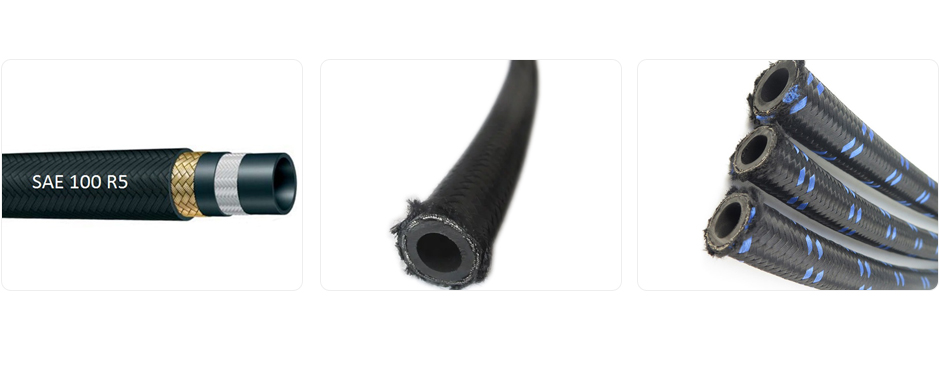
The foundation of a high-performance water suction and discharge hose lies in the selection and processing of its constituent materials. Typically, these hoses are constructed from a combination of synthetic rubbers, reinforcing layers, and protective coverings. The most common synthetic rubbers include Ethylene Propylene Diene Monomer (EPDM), Nitrile Rubber (NBR), Chloroprene Rubber (CR – Neoprene), and Styrene-Butadiene Rubber (SBR). EPDM offers excellent resistance to weathering, ozone, and heat, making it suitable for general-purpose water applications. NBR provides superior resistance to oils and fuels, ideal for applications involving petroleum-based fluids. CR offers good abrasion and chemical resistance, while SBR provides cost-effective general-purpose performance. Reinforcing layers, commonly composed of high-tensile textile plies (polyester, nylon) or steel wire helices, provide structural integrity and pressure resistance. Protective coverings often utilize PVC or PU for abrasion and UV resistance.
Manufacturing processes vary depending on hose construction. For reinforced hoses, a mandrel winding process is common. The rubber compound is extruded onto a mandrel, followed by the winding of reinforcement layers. Multiple rubber layers are then extruded over the reinforcement, followed by a curing process – typically utilizing steam or hot air vulcanization – to crosslink the rubber polymers and achieve desired mechanical properties. Extrusion parameters, including die temperature, screw speed, and back pressure, are critical for controlling rubber density, homogeneity, and surface finish. The curing cycle (temperature, pressure, time) directly influences the degree of crosslinking, impacting tensile strength, elongation, and resistance to compression set. Quality control measures, including dimensional checks, burst pressure testing, and material hardness testing, are essential at each stage of the manufacturing process. Specific attention must be paid to the bond strength between rubber layers and reinforcement to prevent delamination under pressure.
Performance & Engineering
The performance of a water suction and discharge hose is governed by several key engineering principles. Burst pressure, a critical safety parameter, is determined by the reinforcement layer’s strength and the rubber compound’s tensile properties. Vacuum resistance, essential for suction applications, is reliant on the hose’s ability to withstand negative pressure without collapsing. This is influenced by wall thickness, reinforcement structure, and rubber compound hardness. Abrasion resistance is crucial in applications involving abrasive slurries or harsh environments. This property is influenced by the outer cover material and the rubber compound’s hardness and resilience.
Force analysis is fundamental to hose design. Internal pressure generates hoop stress within the hose wall, which the reinforcement layer must counteract. External loads, such as bending and twisting, induce tensile and compressive stresses. Finite Element Analysis (FEA) is commonly employed to simulate these stress distributions and optimize hose construction for specific applications. Environmental resistance is paramount; exposure to UV radiation, ozone, and temperature extremes can degrade rubber compounds. Stabilizers and UV inhibitors are incorporated into the rubber formulation to mitigate these effects. Chemical compatibility is also crucial; the hose material must resist degradation or swelling upon contact with the conveyed fluid. Compliance requirements, such as FDA standards for food-grade applications or REACH/RoHS regulations for restricted substances, must be strictly adhered to. The hose’s flexibility and weight are also important engineering considerations impacting ease of handling and installation.
Technical Specifications
| Parameter | Unit | Typical Value (EPDM Lined, Textile Reinforced) | Test Standard |
|---|---|---|---|
| Burst Pressure | PSI | 300 | ASTM D3915 |
| Vacuum Pressure | PSI | 29.9 in Hg | ASTM D3915 |
| Working Temperature Range | °F | -40 to 176 | ASTM D3915 |
| Tensile Strength | PSI | 1200 | ASTM D412 |
| Elongation at Break | % | 400 | ASTM D412 |
| Hardness (Shore A) | - | 65 | ASTM D2240 |
Failure Mode & Maintenance
Water suction and discharge hoses are susceptible to several failure modes. Fatigue cracking, resulting from repeated flexing and pressure cycles, is a common cause of failure. This is exacerbated by improper installation, excessive bending radius, or exposure to corrosive environments. Delamination, the separation of rubber layers from the reinforcement, can occur due to inadequate bonding during manufacturing or exposure to harsh chemicals. Oxidation and ozone cracking can degrade rubber compounds over time, particularly in outdoor applications. Abrasion wear can occur in applications involving abrasive slurries. Internal pressure exceeding the hose's burst pressure will lead to catastrophic failure. Permeation of fluids through the rubber matrix can also lead to dimensional changes and reduced performance.
Preventative maintenance is crucial for maximizing hose lifespan. Regular visual inspections should be conducted to identify signs of cracking, abrasion, or swelling. Hoses should be stored properly, protected from UV radiation and extreme temperatures. Avoid sharp bends and excessive twisting during installation and operation. Flush the hose after each use to remove any residual fluids. Do not exceed the manufacturer’s recommended working pressure. Implement a hose replacement schedule based on application severity and usage frequency. In case of damage, hoses should be removed from service immediately and replaced. Proper disposal of damaged hoses is essential, adhering to local environmental regulations.
Industry FAQ
Q: What is the impact of suction lift on hose performance and longevity?
A: Excessive suction lift significantly reduces hose lifespan. It creates higher stress on the hose wall, accelerating fatigue and increasing the risk of collapse. The hose must be specifically rated for suction applications and reinforced to withstand negative pressures. Proper installation with minimal bends and adequate support is crucial to mitigate these effects.
Q: How does the chemical compatibility of the hose lining affect its suitability for a specific application?
A: Incompatibility can lead to swelling, softening, or degradation of the rubber lining, compromising its structural integrity and leading to leaks or failure. A thorough chemical compatibility assessment must be performed, considering the concentration, temperature, and duration of exposure to the conveyed fluid. Selecting the appropriate rubber compound (e.g., NBR for oils, EPDM for water) is paramount.
Q: What are the key considerations when selecting a hose for handling abrasive slurries?
A: Abrasion resistance is the primary concern. Utilizing hoses with a high-abrasion-resistant outer cover (e.g., polyurethane) and a rubber lining formulated with abrasive-resistant fillers is crucial. Maintaining a lower flow velocity and minimizing sharp bends can also reduce abrasion wear. Regular inspection and replacement are vital.
Q: What is the significance of the reinforcement layer’s material and construction?
A: The reinforcement layer determines the hose’s pressure-withstanding capability. Textile plies (polyester, nylon) provide good flexibility, while steel wire helices offer higher burst pressures. The weave pattern and ply count also impact strength and resistance to stretching. The adhesion between the reinforcement and the rubber lining is critical for preventing delamination.
Q: How do temperature fluctuations impact the performance and lifespan of a rubber hose?
A: Extreme temperatures can cause rubber to degrade, crack, or lose its elasticity. High temperatures accelerate oxidation and reduce tensile strength. Low temperatures can cause rubber to become brittle and less flexible. Selecting a rubber compound with a suitable temperature range and providing insulation or cooling as needed can mitigate these effects.
Conclusion
OEM water suction and discharge rubber hoses represent a critical link in numerous industrial fluid handling systems. Their reliable operation is contingent upon a meticulous understanding of material science, manufacturing processes, and engineering principles. Selecting the appropriate hose construction – considering rubber compound, reinforcement layer, and protective covering – is paramount to ensuring optimal performance, longevity, and safety. Proactive maintenance and adherence to industry standards are essential for preventing premature failure and minimizing downtime.
Future trends in hose technology are focused on developing lighter-weight materials with enhanced abrasion and chemical resistance. Smart hoses, incorporating sensors to monitor pressure, temperature, and flow rate, are also emerging, enabling predictive maintenance and improved system control. Continued research and development in rubber compounding and reinforcement technologies will drive further improvements in hose performance and durability, ensuring these critical components continue to meet the evolving demands of diverse industrial applications.