
Apr . 01, 2024 17:55 Back to list
oem water suction and discharge rubber hose factories Performance Analysis
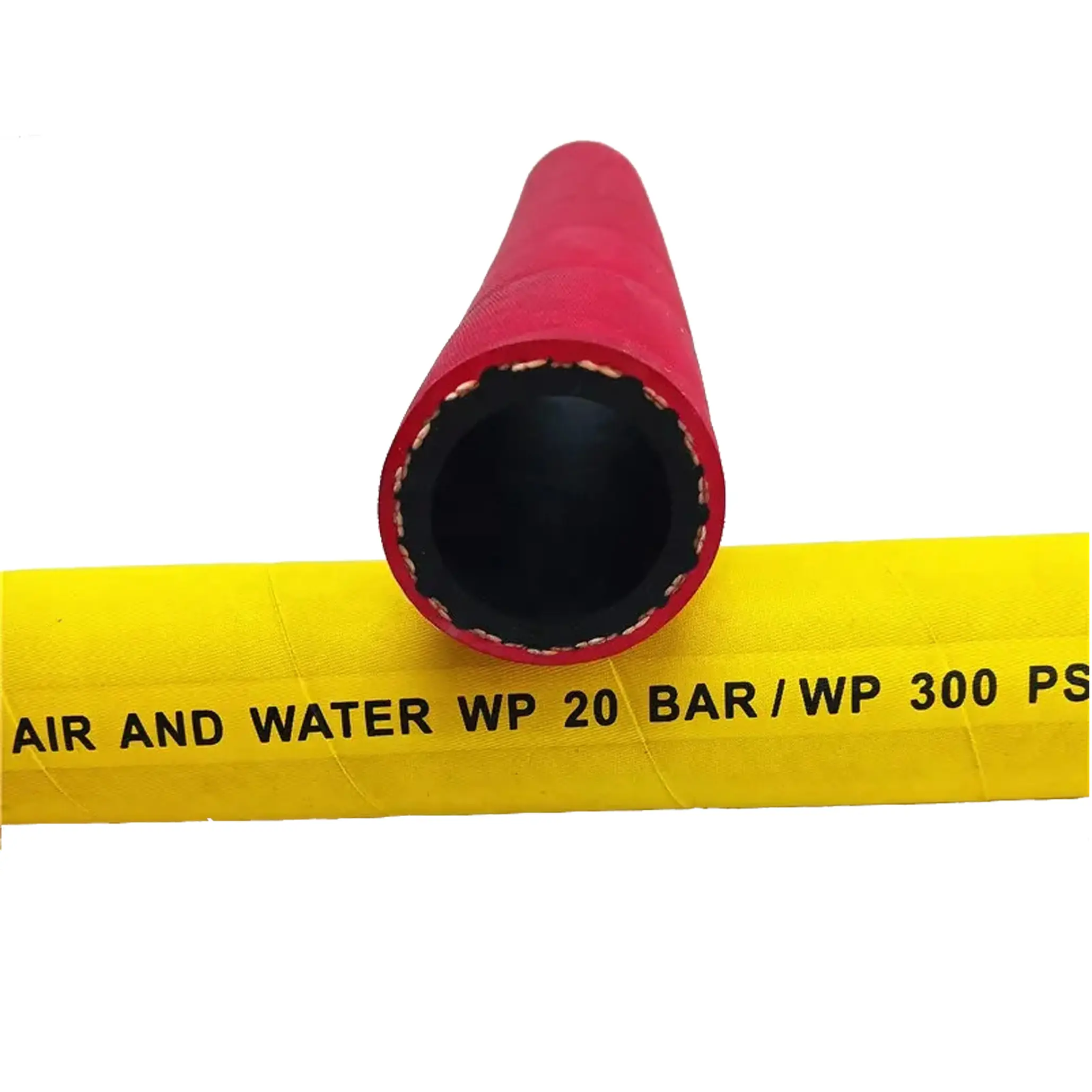
Introduction
OEM water suction and discharge rubber hoses are critical components in fluid transfer systems across a diverse range of industries, including agriculture, construction, mining, oil & gas, and wastewater management. Positioned between the pump/source and the point of application, these hoses are engineered to withstand substantial negative (suction) and positive (discharge) pressures, abrasion, and chemical exposure. Their technical significance lies in providing a reliable, flexible, and cost-effective alternative to rigid piping systems, particularly in applications requiring frequent relocation or dynamic movement. Core performance characteristics include burst pressure, tensile strength, elongation at break, abrasion resistance, and chemical compatibility. A major industry pain point centers on balancing hose flexibility with structural integrity to prevent collapse under suction and withstand high discharge pressures without failure. Another critical concern is the selection of appropriate rubber compounds to ensure long-term compatibility with the conveyed fluid, avoiding degradation and maintaining operational efficiency. The increasing demand for lighter-weight, high-performance hoses also presents a manufacturing challenge.
Material Science & Manufacturing
The fundamental material for water suction and discharge hoses is typically a synthetic rubber compound. Common elastomers include Natural Rubber (NR) for its high tensile strength and elasticity, Styrene-Butadiene Rubber (SBR) offering good abrasion resistance and cost-effectiveness, Ethylene Propylene Diene Monomer (EPDM) renowned for its exceptional resistance to ozone, weathering, and heat, and Nitrile Rubber (NBR) chosen for its oil and fuel resistance. The specific rubber compound is tailored to the intended application and the nature of the fluid being conveyed. Reinforcement layers are crucial for withstanding internal pressures. These are commonly constructed from high-tensile textile plies (typically polyester or nylon) or steel wire helices. The manufacturing process typically involves several stages: compound mixing, extrusion, reinforcement application (ply winding or helix insertion), curing (vulcanization), and final inspection. Extrusion is a critical parameter, requiring precise control of temperature, screw speed, and die design to ensure consistent wall thickness and dimensional accuracy. Vulcanization, a chemical process involving sulfur or peroxide crosslinking, imparts the desired mechanical properties to the rubber. Maintaining precise curing times and temperatures is vital to avoid under-curing (resulting in weak hoses) or over-curing (leading to brittleness). Post-curing, hoses undergo rigorous testing for burst pressure, tensile strength, elongation, and dimensional conformity. The choice of coupling methods (crimping, flanging, or threaded connections) also significantly impacts overall hose performance and reliability.

Performance & Engineering
Performance is governed by a complex interplay of material properties and engineering design. Suction hoses must resist collapse due to the negative pressure created by the pump. This is typically achieved through the incorporation of a rigid helix reinforcement. The helix spacing and diameter are critical parameters optimized to withstand the maximum suction lift. Discharge hoses, conversely, must withstand substantial positive pressure. Burst pressure testing, conducted according to industry standards (see Section 7), is a key indicator of a hose's ability to handle high-pressure surges. Tensile strength and elongation at break define the hose's resistance to tearing and stretching. Environmental resistance is also paramount. Exposure to UV radiation, ozone, temperature extremes, and chemicals can all degrade rubber compounds over time. EPDM compounds offer superior resistance to ozone and weathering compared to NR or SBR. Force analysis, using finite element modeling (FEM), is frequently employed to optimize hose design and predict stress distribution under various operating conditions. Compliance with relevant safety regulations (e.g., FDA for potable water applications) is also critical. Specific attention must be paid to the hose’s resistance to kinking and twisting, as these can compromise flow and potentially lead to hose failure. The selection of appropriate cover materials also contributes to abrasion resistance and protection against external factors.
Technical Specifications
| Parameter | Unit | Standard Specification (Example) | Typical OEM Range |
|---|---|---|---|
| Burst Pressure | PSI | SAE J30R1: 300 PSI min. | 200 - 600 PSI |
| Working Pressure | PSI | SAE J30R1: 100 PSI min. | 50 - 300 PSI |
| Tensile Strength | PSI | ASTM D2370: 850 PSI min. | 700 - 1200 PSI |
| Elongation at Break | % | ASTM D2370: 300% min. | 250 - 500% |
| Temperature Range | °F | -40°F to +212°F | -20°F to +180°F (Compound Dependent) |
| Inner Diameter | in | Variable | 0.25 - 12 in |
Failure Mode & Maintenance
Common failure modes in water suction and discharge hoses include burst failure (due to exceeding pressure limits), collapse (under suction), cracking (due to ozone or UV degradation), abrasion (from internal or external sources), and delamination (separation of reinforcement layers). Fatigue cracking, resulting from repeated flexing and pressure cycling, is another significant concern. Failure analysis typically involves visual inspection, microscopic examination of the fracture surface, and chemical analysis of the rubber compound. Preventive maintenance is crucial for extending hose life. This includes regular visual inspections for signs of wear and tear, proper storage (avoiding direct sunlight and extreme temperatures), and adherence to recommended operating pressures. If abrasion is a concern, using abrasion-resistant liners or external protection sleeves can mitigate damage. For hoses conveying abrasive fluids, periodic inspection for internal wear is essential. If cracking is observed, the hose should be replaced immediately. Proper coupling installation and regular inspection of couplings are also vital, as loose or corroded couplings can contribute to hose failure. Avoid sharp bends and kinking, as these stress the hose structure. Regular flushing of the hose to remove debris can prevent blockage and reduce internal pressure fluctuations.
Industry FAQ
Q: What is the impact of reinforcement material on hose collapse resistance?
A: The reinforcement material and its configuration are directly responsible for resisting hose collapse under vacuum or suction conditions. Steel wire helices offer the highest collapse resistance, followed by high-tensile textile plies (e.g., polyester or nylon). The helix pitch and wire diameter are critical design parameters. A tighter pitch and larger diameter helix provide greater rigidity and prevent the hose from imploding.
Q: How do different rubber compounds affect chemical compatibility?
A: Rubber compound selection is crucial for chemical compatibility. Natural Rubber (NR) offers limited resistance to oils and solvents. Nitrile Rubber (NBR) is ideal for oil-based fluids. EPDM excels in applications involving water, steam, and various chemicals, but may be susceptible to certain hydrocarbon fluids. Always consult a chemical resistance chart before selecting a hose for a specific application.
Q: What are the key considerations for selecting a hose for high-temperature applications?
A: High-temperature applications require rubber compounds with excellent heat resistance and minimal thermal degradation. EPDM and Viton are commonly used for high-temperature service. The reinforcement material should also be able to withstand the elevated temperatures without losing strength. Consider the potential for thermal expansion and contraction and ensure the hose couplings can accommodate these movements.
Q: How does hose layflat diameter affect performance?
A: The layflat diameter impacts the flow rate and ease of handling. A smaller layflat diameter results in a more compact hose when not in use, but may restrict flow. A larger layflat diameter facilitates flow but increases storage space requirements. The optimal layflat diameter is dependent on the specific application and the desired balance between portability and flow capacity.
Q: What are the implications of exceeding the working pressure of a hose?
A: Exceeding the working pressure of a hose significantly increases the risk of catastrophic failure, potentially causing injury or damage to equipment. Repeated exposure to pressures exceeding the working pressure can also accelerate hose degradation and shorten its service life. Always adhere to the manufacturer’s recommended working pressure limits.
Conclusion
OEM water suction and discharge rubber hoses represent a complex integration of material science, engineering design, and manufacturing precision. The selection of appropriate materials, reinforcement structures, and manufacturing processes is critical to achieving optimal performance, reliability, and longevity. Understanding the interplay between burst pressure, tensile strength, chemical compatibility, and environmental resistance is paramount for ensuring safe and efficient fluid transfer operations.
Future trends in this industry will likely focus on the development of lighter-weight, higher-performance hoses utilizing advanced materials and innovative manufacturing techniques. Increased emphasis on sustainable materials and environmentally friendly manufacturing processes is also anticipated. Continued advancements in finite element analysis and predictive modeling will further optimize hose designs and enhance their ability to withstand demanding operating conditions. Adherence to relevant international standards and rigorous quality control procedures will remain crucial for maintaining product integrity and ensuring customer satisfaction.