
Apr . 01, 2024 17:55 Back to list
oem two wire braided high pressure hydraulic hose supplier Performance Analysis

Introduction
OEM two-wire braided high-pressure hydraulic hoses are critical components in fluid power systems across diverse industries, including construction, agriculture, manufacturing, and oil & gas. These hoses transmit hydraulic fluid to actuators and other components, enabling the operation of heavy machinery. The ‘two-wire braid’ designation refers to the reinforcement layer construction, utilizing two layers of high-strength steel wire helically wound around the inner tube, providing exceptional pressure resistance and durability. Their technical positioning within the supply chain involves specialized manufacturing processes requiring precise material selection, braiding techniques, and quality control. Core performance characteristics center around working pressure, burst pressure, temperature range, and fluid compatibility, all governed by stringent industry standards. Understanding these factors is paramount for ensuring system reliability and preventing catastrophic failures.
Material Science & Manufacturing
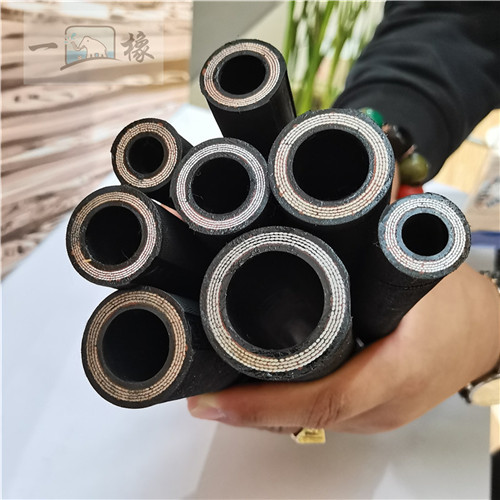
The manufacturing of two-wire braided hydraulic hoses involves several critical stages and material considerations. The inner tube is typically constructed from nitrile rubber (NBR), also known as Buna-N, renowned for its resistance to petroleum-based fluids. However, for specialized applications, alternatives like chlorinated polyethylene (CPE) or fluorocarbon (FKM/Viton) may be employed to enhance compatibility with specific chemicals or elevated temperatures. The reinforcement layer consists of high-tensile steel wire, often drawn from specialized steel alloys, precisely wound in a helical pattern. The outer cover, providing abrasion and weather protection, typically utilizes a synthetic rubber compound like polyurethane or a stabilized NBR blend. Manufacturing processes commence with the extrusion of the inner tube, followed by the precise winding of the steel wire braid. This braiding process is crucial; wire tension, pitch, and coverage directly impact the hose’s pressure rating and flexibility. Post-braiding, the outer cover is extruded, and the hose undergoes curing – a vulcanization process that cross-links the rubber compounds, enhancing their strength and resilience. Critical parameters include temperature control during curing (typically 150-180°C), wire tension consistency (maintained within +/- 5%), and dimensional accuracy to ensure proper fitting and sealing. Quality control encompasses hydrostatic testing to verify burst pressure, impulse testing to assess fatigue life, and dimensional inspections to confirm adherence to specifications.
Performance & Engineering
The performance of a two-wire braided hydraulic hose is dictated by its ability to withstand high pressures, resist abrasion, and maintain flexibility over a range of operating conditions. Force analysis involves calculating the hoop stress within the hose wall under internal pressure. This stress is directly proportional to the pressure and radius of the hose and inversely proportional to the wall thickness. The steel wire braid provides the primary resistance to hoop stress, preventing expansion and potential rupture. Environmental resistance is crucial; hoses must withstand exposure to oil, chemicals, UV radiation, and temperature fluctuations. NBR offers good resistance to petroleum-based fluids but degrades with prolonged exposure to ozone and UV light. Outer cover materials like polyurethane provide enhanced UV and abrasion resistance. Compliance requirements are stringent, mandated by organizations such as SAE International (SAE J517 and SAE J518) and EN standards (EN 853, EN 856, EN 857). These standards specify testing procedures for burst pressure, impulse pressure, temperature range, and fluid compatibility. Furthermore, the hose assembly, including fittings, must be designed to ensure proper crimping and sealing, preventing leakage and ensuring structural integrity. Dynamic bend radius is another critical engineering parameter, influencing hose life and preventing kinking or fatigue failure.
Technical Specifications
| Parameter | Specification (Typical) | Testing Standard | Units |
|---|---|---|---|
| Working Pressure | 200 - 450 | SAE J517 / EN 853 | bar |
| Burst Pressure | 600 - 1350 | SAE J517 / EN 853 | bar |
| Temperature Range | -40 to +100 | SAE J517 / EN 853 | °C |
| Inner Tube Material | Nitrile Rubber (NBR) | ASTM D2000 | - |
| Reinforcement | Two Steel Wire Braids | SAE J517 / EN 853 | - |
| Outer Cover Material | Polyurethane | ASTM D2000 | - |
Failure Mode & Maintenance
Two-wire braided hydraulic hoses are susceptible to several failure modes. Fatigue cracking, induced by repeated pressure cycling and bending, is a common cause of failure, particularly in applications with high dynamic stress. Delamination, the separation of the layers (inner tube, reinforcement, outer cover), can occur due to manufacturing defects or exposure to aggressive chemicals. Oxidation of the rubber compounds, accelerated by high temperatures and UV exposure, leads to material degradation and reduced flexibility. Pinholes and cracks in the outer cover compromise abrasion resistance and allow fluid leakage. Corrosion of the steel wire braid, particularly in humid or corrosive environments, reduces its strength and can lead to catastrophic failure. Proper maintenance is essential for maximizing hose life. This includes regular visual inspections for signs of wear, abrasion, cracking, or leakage. Hoses should be replaced if any damage is detected. Maintaining clean hydraulic fluid and ensuring proper fitting crimping are crucial. Avoid exceeding the hose's working pressure or operating it outside its specified temperature range. Implement a preventative maintenance schedule based on operating conditions and manufacturer recommendations. Hose routing should minimize bending and abrasion. Correct fluid compatibility must be verified to prevent internal degradation.
Industry FAQ
Q: What is the primary advantage of a two-wire braid construction over a single-wire braid?
A: The two-wire braid construction offers significantly higher pressure ratings and improved fatigue life compared to single-wire braid hoses. The additional layer of reinforcement provides greater resistance to hoop stress and deformation under pressure, allowing for safe operation at higher pressures and extended service intervals.
Q: How does temperature affect the performance and lifespan of a hydraulic hose?
A: Extreme temperatures, both high and low, can significantly degrade the rubber compounds in the hose. High temperatures accelerate oxidation and reduce flexibility, while low temperatures can cause the rubber to become brittle and prone to cracking. Operating a hose outside its specified temperature range will drastically reduce its lifespan.
Q: What fitting types are commonly used with two-wire braided hoses and what are the critical considerations for proper assembly?
A: Commonly used fitting types include crimped fittings, field-attachable fittings, and permanent fittings. The critical consideration is ensuring a proper crimp, achieved with a calibrated crimping machine and the correct die set for the hose size and fitting type. An improper crimp can lead to leakage or hose failure.
Q: What are the implications of using an incompatible hydraulic fluid with a specific hose construction?
A: Using an incompatible hydraulic fluid can cause the inner tube to swell, soften, or degrade, leading to leaks and reduced hose performance. It’s crucial to verify fluid compatibility with the hose’s inner tube material (typically NBR, CPE, or FKM) before operation.
Q: How do impulse pressures differ from static working pressures, and why is impulse testing important?
A: Static working pressure is the continuous pressure the hose is designed to withstand. Impulse pressure refers to pressure spikes or surges that occur due to pump pulsation or rapid valve closures. Impulse testing, conducted according to standards like SAE J518, simulates these pressure surges to assess the hose’s ability to withstand dynamic loading and prevent premature failure.
Conclusion
OEM two-wire braided high-pressure hydraulic hoses represent a critical enabling technology across a vast spectrum of industrial applications. Their performance relies heavily on meticulous material selection, precise manufacturing control, and adherence to rigorous industry standards. Understanding the interplay between pressure, temperature, fluid compatibility, and fatigue resistance is paramount for ensuring safe and reliable operation.
Ongoing advancements in materials science, such as the development of more durable rubber compounds and corrosion-resistant steel alloys, continue to enhance hose performance and extend service life. Proper maintenance practices, including regular inspections and timely replacement, remain essential for mitigating failure risks and maximizing the return on investment. Furthermore, the adoption of advanced diagnostic techniques, such as ultrasonic testing, can provide early detection of potential defects and prevent catastrophic failures.