
Apr . 01, 2024 17:55 Back to list
oem two wire braided high pressure hydraulic hose manufacturer Performance Analysis
Introduction
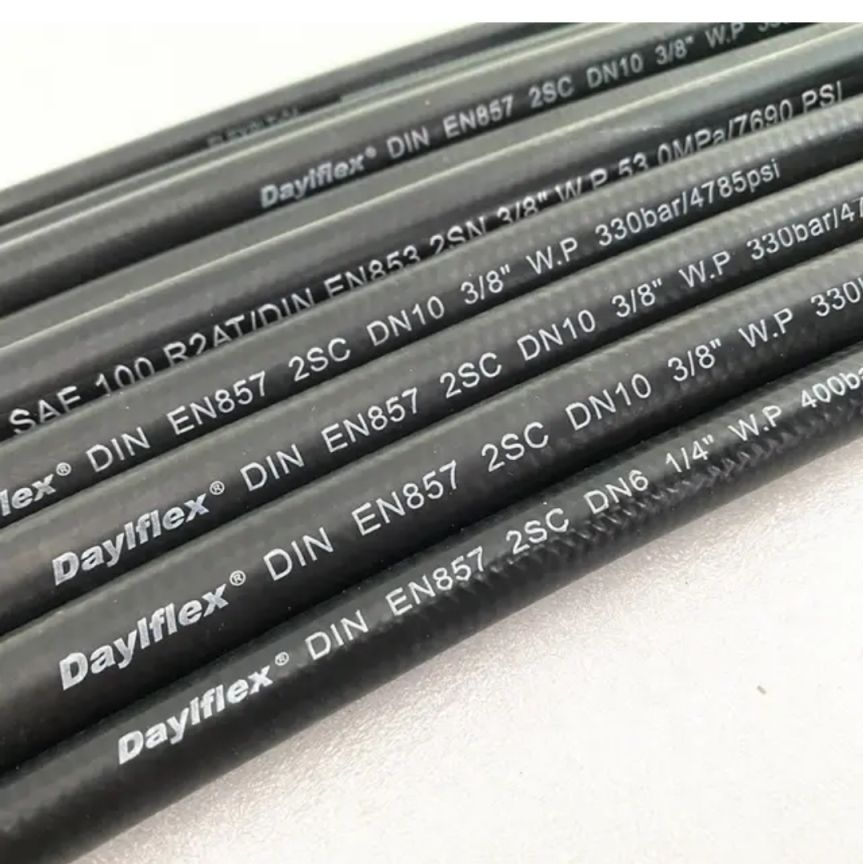
Two-wire braided high-pressure hydraulic hose represents a critical component in fluid power systems across diverse industries including construction, agriculture, manufacturing, and oil & gas. This guide provides a comprehensive technical overview, focusing on OEM manufacturing considerations. These hoses transmit hydraulic fluid to actuators and other components, facilitating power transfer. Their core function relies on withstanding substantial pressure and resisting environmental factors. OEM (Original Equipment Manufacturer) specifications necessitate a robust understanding of material properties, manufacturing processes, and performance characteristics to ensure system reliability and longevity. The key performance indicators include working pressure, burst pressure, temperature range, and fluid compatibility. Failure in hydraulic hose systems can lead to significant downtime, safety hazards, and costly repairs, making quality control and adherence to industry standards paramount.
Material Science & Manufacturing
The construction of a two-wire braided high-pressure hydraulic hose involves several key materials and processes. The inner tube, typically composed of nitrile rubber (NBR), chloroprene rubber (CR), or polyethylene (PE) depending on fluid compatibility requirements, provides a barrier against fluid permeation. NBR offers excellent resistance to petroleum-based fluids, CR provides broader chemical resistance, and PE is suitable for specific applications requiring high flexibility. Reinforcement is provided by two layers of high-tensile steel wire, precision wound helically around the inner tube. The wire gauge and braid angle are critical parameters influencing the hose's pressure rating and flexibility. An outer cover, usually made of synthetic rubber like CR or polyurethane (PU), provides protection against abrasion, weathering, and oil exposure. The manufacturing process begins with extrusion of the inner tube, followed by the application of the wire braid using automated winding machines. Precise tension control during braiding is crucial to ensure uniform reinforcement and prevent localized stress concentrations. After braiding, the outer cover is extruded, and the hose undergoes curing – a vulcanization process that cross-links the rubber compounds, enhancing their strength and elasticity. Quality control throughout the manufacturing process includes dimensional checks, pressure testing, and material composition analysis. The raw materials undergo stringent testing to meet specifications for tensile strength, elongation, and hardness. Chemical compatibility testing confirms resistance to target hydraulic fluids.

Performance & Engineering
The performance of a two-wire braided hydraulic hose is governed by fundamental engineering principles relating to stress, strain, and fluid mechanics. Hose pressure rating is determined by the burst pressure divided by a safety factor (typically 4:1). Burst pressure is experimentally determined by subjecting the hose to increasing internal pressure until failure. Fatigue life, a critical parameter for long-term reliability, is assessed through cyclic pressure testing. This testing simulates repeated pressure fluctuations experienced during operation, identifying potential failure points. The hose's flexibility is a function of the braid angle, wire diameter, and cover compound. A smaller braid angle provides greater flexibility but may reduce pressure capacity. Engineering considerations include thermal expansion and contraction of the hose material due to temperature variations. Incorrectly routed hoses can experience excessive bending and twisting, leading to premature failure. Fluid compatibility plays a vital role; incompatible fluids can cause swelling, degradation, and loss of pressure rating. The hose must also resist environmental factors such as ozone, UV radiation, and chemical exposure. Compliance with industry standards, such as SAE J517 and EN 853, is essential to ensure safety and performance. Finite element analysis (FEA) is frequently employed during the design phase to optimize hose geometry and reinforcement for specific application requirements. Analyzing stress distribution helps prevent localized failures and extends service life.
Technical Specifications
| Parameter | Unit | Typical Value (NBR/Steel Wire/CR) | Tolerance |
|---|---|---|---|
| Working Pressure | MPa | 20 | ±10% |
| Burst Pressure | MPa | 80 | ±15% |
| Temperature Range | °C | -40 to +100 | ±5°C |
| Inner Tube Material | - | Nitrile Rubber (NBR) | Per SAE J200 |
| Reinforcement | - | Two Steel Wire Braids | Per SAE J517 |
| Outer Cover Material | - | Chloroprene Rubber (CR) | Per SAE J200 |
| Bend Radius (Minimum) | mm | 4D (D=Hose ID) | - |
Failure Mode & Maintenance
Two-wire braided hydraulic hoses are susceptible to various failure modes. Pinholing, caused by abrasion or damage to the outer cover, leads to fluid leakage. Bursting occurs when the internal pressure exceeds the hose’s rated capacity, often due to exceeding pressure limits, material defects, or fatigue. Hose kinking results from excessive bending, restricting fluid flow and potentially causing structural damage. Wire braid degradation, caused by corrosion or fatigue, reduces the hose's pressure rating and increases the risk of rupture. Permeation, the gradual diffusion of hydraulic fluid through the inner tube, can lead to fluid loss and environmental contamination. Failure analysis frequently reveals that the root cause is improper installation, incorrect fluid selection, or inadequate maintenance. Preventive maintenance includes regular visual inspections for signs of damage, such as cracks, abrasions, and leaks. Hoses should be replaced at recommended intervals, even if no visible damage is present, to prevent catastrophic failures. Proper hose routing is crucial to avoid excessive bending, twisting, and abrasion. When replacing hoses, ensure compatibility with the hydraulic fluid and operating conditions. Pressure testing after installation verifies leak-free operation. Regularly check hose connections for tightness and corrosion. Proper storage of hoses, protected from UV radiation and extreme temperatures, extends their service life.
Industry FAQ
Q: What is the impact of hydraulic fluid type on hose selection?
A: Hydraulic fluid compatibility is paramount. Incompatible fluids can cause the inner tube to swell, degrade, or dissolve, leading to premature failure. For example, using petroleum-based fluids in a hose designed for synthetic fluids will result in rapid deterioration. It's crucial to consult fluid compatibility charts and select a hose with an inner tube material specifically rated for the intended fluid.
Q: How does temperature affect hose performance?
A: Temperature extremes can significantly impact hose performance. High temperatures can accelerate rubber degradation and reduce the hose’s pressure rating. Low temperatures can cause the rubber to stiffen, reducing flexibility and increasing the risk of cracking. Hose specifications include a defined operating temperature range; exceeding this range can compromise safety and reliability.
Q: What are the key considerations for hose routing?
A: Proper hose routing minimizes stress and prevents damage. Avoid sharp bends, twisting, and abrasion against moving parts. Maintain sufficient clearance between the hose and hot surfaces. Use hose guards or clamps to provide additional protection in high-wear areas. Support the hose at regular intervals to prevent sagging and stress concentration.
Q: How do I determine the correct hose size for my application?
A: Hose size is determined by the required flow rate and working pressure. A larger hose diameter reduces pressure drop but increases cost and bulk. Consult hydraulic system design guidelines and hose manufacturers’ recommendations to select the appropriate size. Ensure the hose ID matches the fitting size to prevent leaks.
Q: What is the significance of the safety factor in hydraulic hose specifications?
A: The safety factor is a multiplier applied to the burst pressure to determine the working pressure. It accounts for variations in manufacturing, operating conditions, and potential shock loads. A typical safety factor is 4:1, meaning the working pressure is one-fourth of the burst pressure. Using a hose with an inadequate safety factor significantly increases the risk of catastrophic failure.
Conclusion
OEM specification of two-wire braided high-pressure hydraulic hoses demands a thorough understanding of material science, manufacturing processes, and performance characteristics. Selecting the correct hose involves careful consideration of fluid compatibility, temperature range, pressure requirements, and environmental factors. Adhering to industry standards and implementing a robust preventive maintenance program are crucial for ensuring system reliability, safety, and minimizing downtime.
Continued advancements in hose technology, including the development of new rubber compounds and reinforcement materials, are focused on extending service life, reducing weight, and improving resistance to harsh operating conditions. OEMs must stay abreast of these developments to optimize hydraulic system performance and maintain a competitive edge. Further research into non-destructive testing methods for early detection of hose degradation will also contribute to improved safety and reliability.