
Apr . 01, 2024 17:55 Back to list
oem thermoplastic hose sae100r7 suppliers Performance Analysis
Introduction
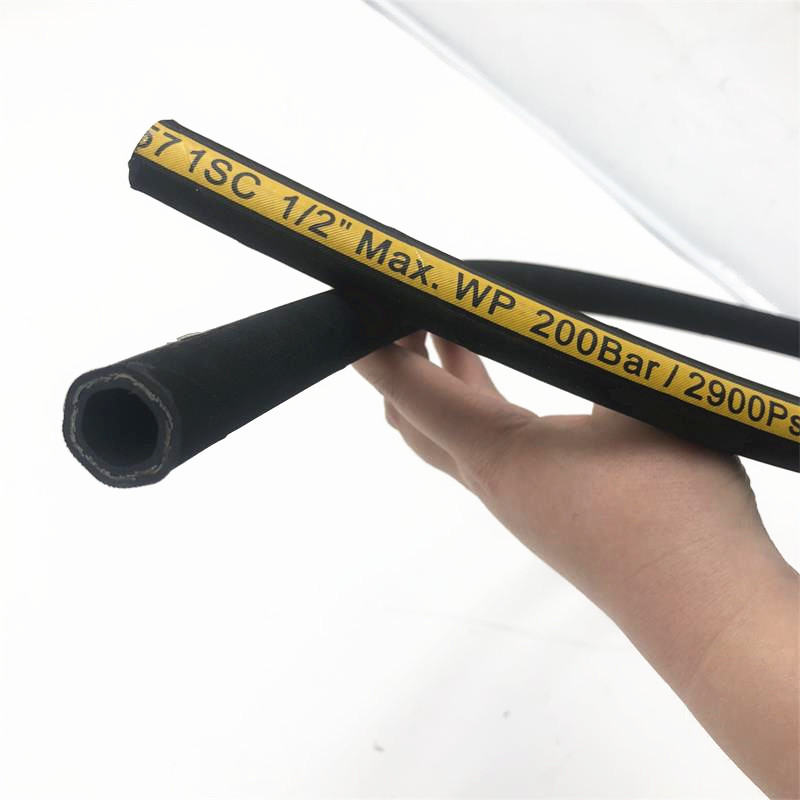
Thermoplastic hoses conforming to SAE 100R7 standards are critical components in hydraulic systems across diverse industries, including construction, agriculture, mining, and manufacturing. These hoses serve as flexible conduits for the transmission of pressurized hydraulic fluid, enabling the operation of machinery and equipment. As a supplier to Original Equipment Manufacturers (OEMs), the key performance characteristics of these hoses – encompassing pressure rating, temperature resistance, fluid compatibility, and dimensional accuracy – directly impact the reliability and longevity of the end product. The industry faces increasing demands for higher operating pressures, extended service life in harsh environments, and compliance with stringent safety regulations. This guide provides a comprehensive technical overview for procurement managers and engineers evaluating oem thermoplastic hose sae100r7 suppliers, covering material science, manufacturing processes, performance parameters, failure modes, and relevant industry standards.
Material Science & Manufacturing
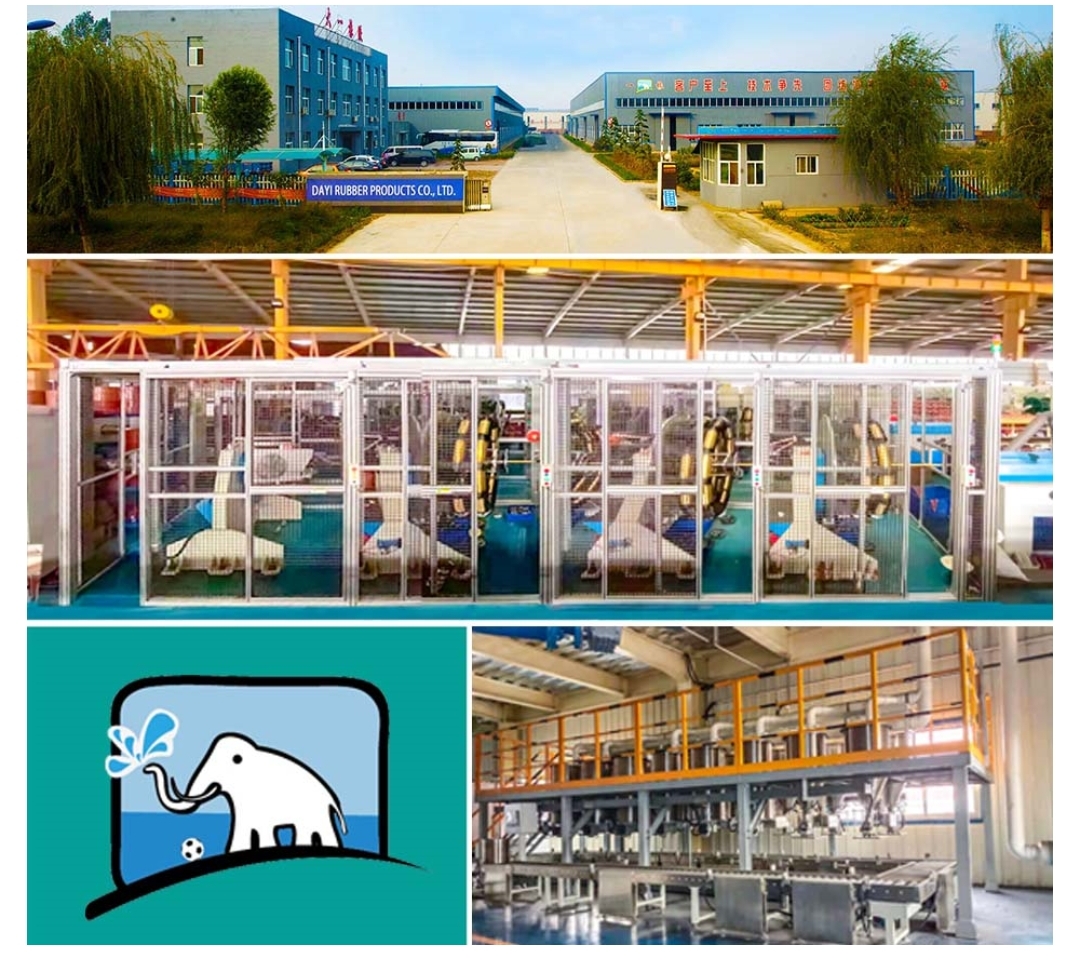
SAE 100R7 thermoplastic hoses are typically constructed from a polyamide (nylon 11 or nylon 12) inner tube, reinforced with multiple layers of high-tensile strength steel wire braid. The cover is usually composed of a polyurethane elastomer providing abrasion, ozone, and weathering resistance. Nylon 11 exhibits superior dimensional stability and resistance to permeation compared to nylon 12, though at a higher cost. The steel wire used for reinforcement is generally high-carbon steel, specified for its tensile strength and flexibility. Manufacturing begins with the extrusion of the inner tube using a precisely controlled process to ensure consistent wall thickness and internal diameter. Subsequent braiding of the steel wire is a critical step, demanding precise tension control to achieve the specified reinforcement density. Inconsistent braid tension can lead to localized weaknesses and premature failure. The polyurethane cover is then extruded over the braided reinforcement. Post-extrusion processes include vulcanization (for certain polyurethane formulations to enhance crosslinking) and dimensional inspection. Key parameters controlled during manufacturing include polymer melt temperature, braid pitch, wire diameter, and cover thickness. The compatibility of the thermoplastic material with the intended hydraulic fluid is paramount; incompatibility can lead to swelling, degradation, and hose failure. Maintaining a consistent nitrogen atmosphere during extrusion minimizes oxidation and ensures material integrity.
Performance & Engineering
The performance of an SAE 100R7 hose is defined by its ability to withstand internal pressure, external loads, and environmental stressors without failure. Force analysis centers around burst pressure, working pressure (which is typically 1/4 of burst pressure), and fatigue resistance. Burst pressure testing, conducted according to SAE J514 standards, determines the maximum pressure the hose can withstand before rupture. Working pressure is the maximum allowable continuous operating pressure. Fatigue testing evaluates the hose's ability to withstand repeated pressure cycling without cracking or leaking. Environmental resistance is crucial, particularly for applications exposed to extreme temperatures (typically -40°C to +100°C) and corrosive fluids. The hose cover must protect the reinforcement from corrosion. Tensile strength and elongation at break are important properties of the cover material, indicating its resistance to tearing and cracking. Compliance requirements are driven by industry-specific regulations, such as those pertaining to mobile hydraulics (ISO 3457) and industrial machinery (ISO 4413). The bend radius is a critical engineering parameter; exceeding the minimum bend radius can induce stress concentration and premature failure. Proper hose assembly, including the selection of compatible fittings and crimping procedures, is essential for ensuring optimal performance and preventing leaks.
Technical Specifications
| Parameter | Unit | SAE 100R7 Specification | Typical Supplier Range |
|---|---|---|---|
| Working Pressure | MPa | Up to 34.5 | 17.2 – 34.5 |
| Burst Pressure | MPa | ≥ 4 x Working Pressure | 69 – 138 |
| Temperature Range | °C | -40 to +100 | -40 to +120 |
| Inner Tube Material | - | Nylon 11 or Nylon 12 | Nylon 12 (Common), Nylon 11 (Premium) |
| Reinforcement | Layers | Multiple Steel Wire Braids | 2, 4, or 6 Layers |
| Cover Material | - | Polyurethane | Polyurethane (various formulations) |
Failure Mode & Maintenance
Common failure modes in SAE 100R7 hoses include burst failure due to exceeding the working pressure, fatigue cracking from repeated pressure cycling, and erosion or abrasion of the cover. Internal degradation of the nylon liner can occur due to fluid incompatibility, leading to swelling and reduced pressure capacity. Corrosion of the steel wire reinforcement can initiate cracks and ultimately result in hose rupture. Delamination between the inner tube, reinforcement, and cover can occur due to poor adhesion or exposure to harsh chemicals. Oxidation of the polyurethane cover can lead to cracking and loss of flexibility. Maintenance practices should include regular visual inspections for signs of wear, abrasion, cracking, or leaks. Hoses should be replaced if any damage is detected. Avoid sharp bends and kinks, as these can create stress concentrations. Ensure proper hose routing to prevent rubbing against other components. Flush the hydraulic system periodically to remove contaminants that can accelerate hose degradation. Document hose replacement dates and operating conditions to track performance and identify potential issues. Consider utilizing protective sleeves or guards in environments with high abrasion risks.
Industry FAQ
Q: What is the impact of varying steel wire braid layers on hose performance?
A: Increasing the number of steel wire braid layers directly increases the hose's burst pressure and resistance to kinking. However, it also reduces the hose's flexibility and increases its weight and cost. The optimal number of layers depends on the specific application's pressure and bending requirements. A 2-layer braid is suitable for lower-pressure applications, while 4 or 6 layers are preferred for higher-pressure systems.
Q: How does the choice between Nylon 11 and Nylon 12 impact fluid compatibility?
A: Nylon 11 generally exhibits superior resistance to permeation by a wider range of hydraulic fluids compared to Nylon 12. This is particularly important when handling aggressive fluids such as phosphate ester-based fluids. Nylon 12 is more susceptible to swelling and degradation in the presence of certain chemicals. Careful fluid compatibility testing is crucial when selecting the appropriate inner tube material.
Q: What testing procedures are used to verify compliance with SAE 100R7 standards?
A: SAE J514 outlines the standard testing procedures for hydraulic hoses. These include burst pressure testing, pressure impulse testing, temperature resistance testing, and fluid resistance testing. Suppliers should provide detailed test reports demonstrating compliance with these standards. Additionally, dimensional checks and visual inspections are performed to ensure the hose meets specified tolerances.
Q: What are the critical considerations for selecting hose fittings?
A: Fittings must be compatible with the hose's pressure rating, temperature range, and fluid type. The fitting material should be resistant to corrosion and compatible with both the hose and the hydraulic fluid. Proper crimping procedures are essential to ensure a leak-free seal. Incorrect crimping can lead to premature failure. Fittings should be sourced from reputable manufacturers and certified to relevant industry standards.
Q: What preventative measures can be taken to extend hose service life?
A: Regular visual inspections, proper hose routing, avoiding sharp bends, and maintaining a clean hydraulic system are essential preventative measures. Consider using hose guards in abrasive environments. Implement a scheduled hose replacement program based on operating conditions and hose usage. Proper storage of unused hoses, protected from UV exposure and extreme temperatures, will also extend their lifespan.
Conclusion
SAE 100R7 thermoplastic hoses are critical components in hydraulic systems, and their performance directly impacts the reliability and safety of the equipment they serve. Selecting a qualified supplier requires a thorough understanding of material science, manufacturing processes, performance parameters, and potential failure modes. Rigorous adherence to industry standards, comprehensive testing, and a commitment to quality control are essential.
By prioritizing these factors, OEMs can ensure the longevity and performance of their hydraulic systems. Continuous improvement in hose design and material technology will drive further advancements in pressure ratings, temperature resistance, and fluid compatibility, addressing the evolving demands of modern hydraulic applications. Proactive maintenance and diligent monitoring of hose condition remain vital for maximizing service life and preventing catastrophic failures.