
Apr . 01, 2024 17:55 Back to list
oem thermoplastic hose sae100r7 supplier Performance Analysis
Introduction
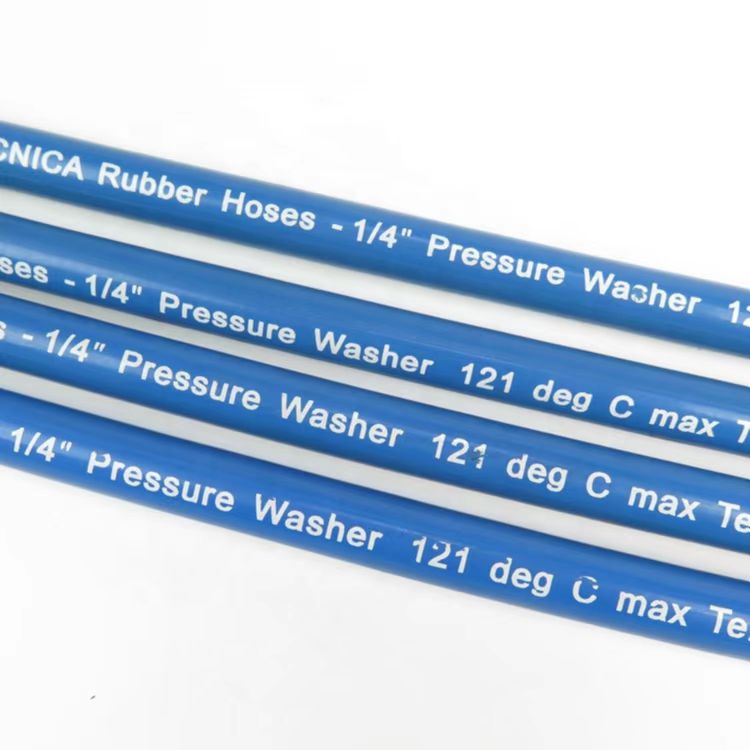
Thermoplastic hoses conforming to SAE 100R7 specifications represent a critical component in fluid power systems across diverse industries, including agriculture, construction, and manufacturing. These hoses are engineered for the conveyance of petroleum-based fluids, encompassing hydraulic oil, fuel, and lubricating fluids. The OEM thermoplastic hose supplier landscape is defined by the need for consistent material quality, dimensional accuracy, and adherence to stringent performance standards. The core function of these hoses is to transmit fluid power reliably and safely under demanding conditions. Their design balances flexibility, pressure resistance, and resistance to environmental factors. This guide provides a comprehensive technical overview of OEM thermoplastic hoses built to the SAE 100R7 standard, covering material science, manufacturing processes, performance characteristics, potential failure modes, and relevant industry standards. A key pain point for procurement managers is ensuring consistent quality across batches and verifying supplier adherence to the specific SAE 100R7 requirements. Another challenge lies in selecting the appropriate hose construction for the intended application, considering factors such as fluid compatibility, temperature range, and pressure ratings.
Material Science & Manufacturing
SAE 100R7 thermoplastic hoses are typically constructed with an inner tube of thermoplastic material, a reinforcement layer (often textile or spiral-wound steel wire), and an outer cover providing environmental protection. The inner tube material is commonly polyamide (nylon), polypropylene, or polyester. Nylon 12 offers excellent chemical resistance and good flexibility. Polypropylene provides cost-effectiveness and resistance to certain chemicals, while polyester demonstrates high tensile strength. The reinforcement layer is critical for withstanding internal pressure. Textile reinforcement (typically polyester or aramid fiber) is suitable for lower-pressure applications, offering flexibility and resistance to kinking. High-pressure applications necessitate spiral-wound steel wire reinforcement, which provides significantly higher burst strength. The outer cover is usually composed of synthetic rubber such as polyurethane or a modified thermoplastic elastomer (TPE), providing abrasion resistance, weathering protection, and oil resistance. Manufacturing involves extrusion of the inner tube, winding of the reinforcement layer, and extrusion of the outer cover, followed by vulcanization (curing) of the rubber cover. Key parameter controls include maintaining precise temperature profiles during extrusion to ensure consistent material properties, accurate tension control during reinforcement winding to prevent deformation, and controlled curing times and temperatures to achieve optimal rubber crosslinking. Chemical compatibility between the inner tube material and the conveyed fluid is paramount; incompatible fluids can cause swelling, degradation, or leaching of plasticizers, leading to premature failure. The quality of the steel wire used in reinforcement is also a critical factor, requiring careful control of wire diameter, tensile strength, and surface finish to prevent fatigue cracking.
Performance & Engineering
The performance of SAE 100R7 thermoplastic hoses is governed by several engineering considerations. Burst pressure, working pressure, and impulse pressure ratings are critical parameters dictated by the SAE standard. Burst pressure represents the maximum pressure the hose can withstand before rupture, while working pressure is a fraction of the burst pressure, defining the safe operating limit. Impulse pressure refers to the hose’s ability to withstand pressure fluctuations or surges. Force analysis involves calculating the hoop stress within the hose wall under internal pressure, ensuring the reinforcement layer can adequately support the load. Environmental resistance encompasses resistance to temperature extremes, UV radiation, ozone exposure, and chemical attack. SAE 100R7 hoses must maintain their performance characteristics over a specified temperature range, typically -40°C to +100°C, although some variations exist. Chemical resistance is assessed by exposing the hose material to various fluids and monitoring for swelling, degradation, or loss of mechanical properties. Compliance requirements demand rigorous testing to demonstrate conformity to SAE standards, including burst pressure testing, impulse testing, dimensional checks, and material analysis. Functional implementation involves proper hose routing, avoiding sharp bends, and using appropriate fittings to prevent stress concentrations. The selection of fittings must match the hose material and pressure rating to ensure a leak-free and secure connection. Fatigue life is a significant concern, particularly in applications involving cyclic pressure loading. Careful consideration of hose material, reinforcement type, and operating conditions can maximize fatigue resistance.
Technical Specifications
| Parameter | Unit | SAE 100R7 Type A | SAE 100R7 Type B |
|---|---|---|---|
| Working Pressure | MPa | 20.7 | 27.6 |
| Burst Pressure | MPa | 82.7 | 110.3 |
| Inner Tube Material | - | Nylon 12 | Nylon 12 |
| Reinforcement | - | Textile Braid (2 layers) | Spiral Steel Wire |
| Outer Cover Material | - | Polyurethane | Polyurethane |
| Temperature Range | °C | -40 to +100 | -40 to +100 |
Failure Mode & Maintenance
Several failure modes can affect SAE 100R7 thermoplastic hoses. Fatigue cracking, particularly in the reinforcement layer, is a common issue arising from repeated pressure cycling. Delamination, the separation of layers within the hose wall, can occur due to poor adhesion between materials or exposure to corrosive fluids. Degradation of the inner tube material due to chemical attack or UV exposure can lead to leaks and loss of pressure containment. Oxidation of the rubber cover can cause hardening and cracking, reducing its protective function. Fitting failures, such as leakage or pull-out, are also frequent occurrences, often stemming from improper installation or incompatible fittings. To mitigate these failures, regular visual inspections are crucial, looking for signs of cracking, swelling, abrasion, or discoloration. Pressure testing can identify leaks before they become critical. Proper storage conditions, away from direct sunlight and extreme temperatures, can prevent premature degradation. Preventive maintenance involves periodically tightening fittings and replacing hoses that show signs of wear or damage. In the event of a hose failure, a thorough failure analysis should be conducted to determine the root cause and prevent recurrence. This may involve microscopic examination of the fractured surfaces, chemical analysis of the materials, and a review of the operating conditions.
Industry FAQ
Q: What is the significance of the SAE 100R7 standard, and how does it ensure quality?
A: The SAE 100R7 standard defines minimum performance requirements for thermoplastic hoses used in hydraulic systems. It ensures quality through rigorous testing protocols for burst pressure, working pressure, impulse pressure, temperature resistance, and material properties. Compliance with the standard indicates the hose has met a predetermined level of safety and reliability.
Q: How do I determine the correct hose type (A or B) for my application?
A: Type A hoses, with textile reinforcement, are suitable for lower-pressure applications where flexibility is paramount. Type B hoses, with spiral steel wire reinforcement, are designed for higher-pressure systems demanding greater strength and durability. Consider the maximum operating pressure, pressure surges, and application environment when selecting the appropriate hose type.
Q: What are the limitations of nylon 12 as an inner tube material?
A: While nylon 12 offers excellent chemical resistance and flexibility, it can be susceptible to swelling in the presence of certain aggressive chemicals, such as strong acids and bases. It also has a relatively low operating temperature limit compared to some other thermoplastic materials.
Q: How can I prevent fatigue failure in high-cycle applications?
A: Minimizing pressure surges, using properly sized hoses and fittings, and avoiding sharp bends can reduce stress concentrations and extend fatigue life. Selecting a hose with a reinforcement layer designed for high-cycle fatigue resistance is also crucial.
Q: What is the role of the outer cover in hose performance?
A: The outer cover provides crucial protection against abrasion, weathering, UV radiation, and oil exposure. It prevents degradation of the reinforcement layer and maintains the hose’s integrity, extending its service life. Choosing a cover material compatible with the application environment is essential.
Conclusion
SAE 100R7 thermoplastic hoses are essential components in numerous industrial applications, demanding meticulous attention to material selection, manufacturing processes, and operational parameters. The performance and longevity of these hoses are inextricably linked to adherence to the stringent requirements outlined in the SAE 100R7 standard, encompassing burst pressure, working pressure, temperature resistance, and chemical compatibility.
Proper maintenance, including regular inspections and timely replacements, is critical to prevent catastrophic failures and ensure the continued safe and efficient operation of hydraulic systems. OEM suppliers who prioritize quality control, material traceability, and continuous improvement are best positioned to meet the evolving needs of industries relying on these critical fluid conveyance solutions. Future developments may focus on novel thermoplastic materials offering enhanced chemical resistance and temperature capabilities, as well as advanced reinforcement technologies for improved fatigue life and reduced weight.