
Apr . 01, 2024 17:55 Back to list
oem thermoplastic hose sae100r7 manufacturer Performance Analysis
Introduction
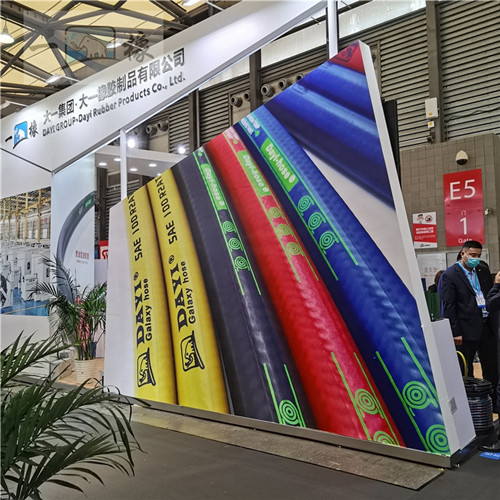
Thermoplastic hoses conforming to SAE 100R7 standards represent a critical component in fluid transfer systems across numerous industries, including automotive, industrial machinery, agriculture, and construction. These hoses are characterized by their inner tube constructed from thermoplastic materials, reinforced with multiple layers of high-tensile fibers, and covered with a durable outer jacket. This construction provides a balance of flexibility, chemical resistance, and pressure-withstanding capability. The SAE 100R7 specification dictates stringent performance criteria related to burst pressure, working pressure, temperature range, and fluid compatibility. OEM (Original Equipment Manufacturer) production of these hoses demands precise control over material selection, manufacturing processes, and quality assurance procedures to meet or exceed these rigorous standards. A key industry pain point is maintaining consistent quality across large-volume production runs, especially concerning fiber braid density and adhesion between layers, directly impacting hose service life and safety. Furthermore, ensuring compatibility with evolving fluid technologies (e.g., biofuels, synthetic lubricants) remains a significant challenge for manufacturers.
Material Science & Manufacturing
The core material for the inner tube of SAE 100R7 thermoplastic hoses is typically a polyamide (Nylon 11 or Nylon 12) due to its excellent resistance to hydrocarbons, fuels, oils, and a broad temperature range (-40°C to +100°C). Nylon 11 boasts superior dimensional stability and lower water absorption compared to Nylon 12, commanding a premium. The reinforcement layer consists of multiple braids of high-tensile polyester or aramid fibers. Polyester is more cost-effective and offers good strength, while aramid (e.g., Kevlar) provides significantly higher strength and cut resistance, utilized in applications demanding exceptional durability. The cover is commonly extruded polypropylene (PP) for abrasion resistance and weather protection.
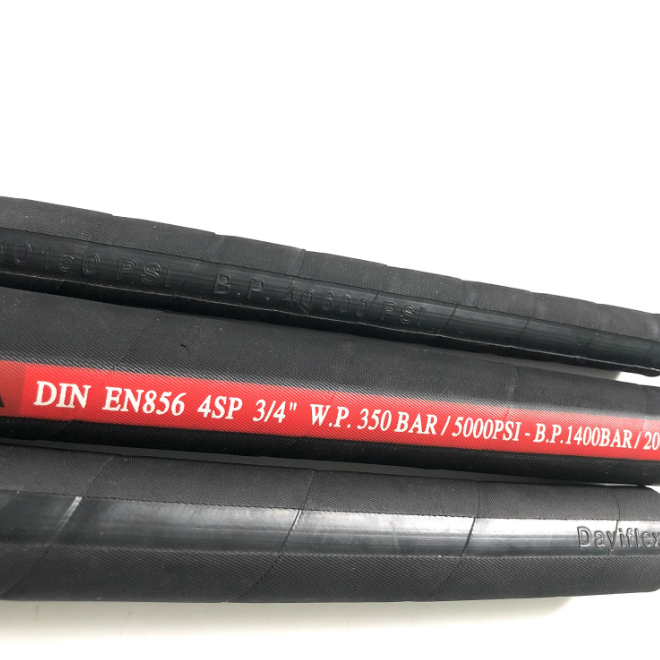
Manufacturing involves several key steps. First, the thermoplastic material is melt-extruded through a die to form the inner tube. Precise temperature control is crucial to ensure consistent wall thickness and material homogeneity. Subsequently, the reinforcement fibers are braided over the tube, with braid angle and tension meticulously controlled to achieve the desired pressure rating. This is often monitored using automated optical inspection systems. The outer cover is then extruded over the braid. Critical parameters include die temperature, screw speed, and cooling rate. Post-extrusion, the hose undergoes pressure testing to verify burst strength. Quality control extends to dimensional checks (inner diameter, outer diameter, wall thickness) and material analysis (hardness, tensile strength, elongation at break). Adhesion between layers is critically assessed via peel tests. The manufacturing process is heavily influenced by the material’s melt flow index (MFI), fiber tensile strength, and braid coverage percentage.
Performance & Engineering
The performance of SAE 100R7 hoses is fundamentally governed by pressure-temperature ratings and fluid compatibility. Force analysis dictates that the reinforcement layers bear the majority of the internal pressure load, while the thermoplastic inner tube provides a fluid barrier. The braid angle directly impacts the hose's ability to withstand pressure; steeper angles offer higher burst strength but reduce flexibility. Finite Element Analysis (FEA) is commonly employed during the design phase to optimize braid structure and material selection for specific application requirements. Environmental resistance, particularly to ozone, UV radiation, and hydrolysis, is critical. The polypropylene cover provides UV protection, but long-term exposure can still lead to degradation. Hydrolysis, the degradation of the thermoplastic material due to water absorption, is mitigated through the use of moisture-resistant polymers like Nylon 11. Compliance with SAE 100R7 mandates specific testing procedures, including burst testing, pressure impulse testing, and temperature cycling. Another vital engineering aspect is minimizing permeability – the rate at which fluids can diffuse through the hose wall – which impacts fluid loss and potential environmental contamination.
Technical Specifications
| Parameter | Unit | SAE 100R7 Type A | SAE 100R7 Type B |
|---|---|---|---|
| Working Pressure | MPa | 20.7 | 27.6 |
| Burst Pressure | MPa | 82.7 | 110.3 |
| Temperature Range | °C | -40 to +100 | -40 to +100 |
| Inner Diameter | mm | 6.35 - 25.4 | 6.35 - 25.4 |
| Outer Diameter | mm | 10.8 - 32.4 | 12.7 - 35.6 |
| Material (Inner Tube) | - | Nylon 11/12 | Nylon 11/12 |
Failure Mode & Maintenance
Common failure modes in SAE 100R7 thermoplastic hoses include burst failure due to exceeding the working pressure, fatigue cracking from repeated pressure cycling, delamination between the inner tube and reinforcement braid, and material degradation due to exposure to harsh chemicals or extreme temperatures. Fatigue cracking often initiates at stress concentrators, such as kinks or abrasions. Delamination can occur if adhesion between layers is compromised during manufacturing or due to prolonged exposure to aggressive fluids. Oxidation and UV degradation can embrittle the outer cover, leading to cracking and reduced abrasion resistance. Hydrolytic degradation weakens the inner tube, increasing permeability and susceptibility to failure.
Preventative maintenance is crucial. Regular visual inspections should be conducted to identify any signs of cracking, abrasion, or swelling. Hoses should be replaced if any damage is detected. Avoid sharp bends and kinks during installation and operation. Ensure fluid compatibility; using a hose with an incompatible fluid will accelerate degradation. Store hoses in a cool, dry place, away from direct sunlight and ozone sources. Pressure testing should be performed periodically to verify hose integrity. When decommissioning, ensure proper disposal according to local environmental regulations. Flushing the hose with a compatible solvent before storage can remove residual fluids and prevent internal corrosion or degradation. Properly supporting the hose during operation minimizes stress and reduces the likelihood of fatigue failure.
Industry FAQ
Q: What is the impact of different braid materials (polyester vs. aramid) on hose service life?
A: Aramid braids provide significantly higher tensile strength and cut resistance, resulting in extended service life, particularly in applications involving abrasive materials or high-pressure fluctuations. However, aramid is more expensive than polyester. Polyester braids offer a cost-effective solution for less demanding applications where abrasion resistance and extreme strength aren't critical. The selection depends on the specific operating conditions and budgetary constraints.
Q: How does temperature affect the working pressure rating of a SAE 100R7 hose?
A: Higher temperatures generally reduce the working pressure rating of a thermoplastic hose. This is because the thermoplastic material loses stiffness at elevated temperatures, reducing its ability to withstand internal pressure. SAE 100R7 specifications provide derating factors that must be applied to the working pressure at temperatures above the specified operating range.
Q: What specific testing is performed to verify the chemical compatibility of a hose with a given fluid?
A: Chemical compatibility testing typically involves immersing samples of the hose material in the fluid for a specified period at a controlled temperature. The samples are then evaluated for changes in weight, hardness, tensile strength, and elongation. Visual inspection for swelling, cracking, or discoloration is also performed. The duration and temperature of the testing are dictated by the fluid's aggressiveness and the intended application.
Q: What are the common causes of delamination failure in these hoses, and how can it be prevented?
A: Delamination is often caused by inadequate adhesion between the inner tube and the reinforcement braid during manufacturing, or by chemical attack on the adhesive layer. Preventing it requires stringent quality control during the bonding process, including surface preparation, adhesive application, and curing conditions. Using compatible materials and avoiding exposure to aggressive chemicals also minimizes the risk of delamination.
Q: What role does the outer cover play beyond abrasion protection?
A: While abrasion protection is primary, the outer cover also provides UV resistance, weather protection, and a barrier against fluid permeation. Polypropylene (PP) is commonly used due to its robust properties, but other materials can be selected based on specific environmental demands. The cover’s color can also serve as a visual indicator for hose identification and potential degradation.
Conclusion
SAE 100R7 thermoplastic hoses are engineered for demanding fluid transfer applications, offering a robust combination of flexibility, pressure resistance, and chemical compatibility. Successful OEM manufacturing relies heavily on precise material selection, meticulous process control, and rigorous quality assurance. Understanding the underlying material science, potential failure modes, and relevant industry standards is paramount for ensuring long-term performance and safety.
The ongoing evolution of fluid technologies and increasing demands for durability necessitate continuous innovation in hose design and materials. Future advancements may include the incorporation of nanomaterials to enhance strength and barrier properties, as well as the development of more environmentally sustainable thermoplastic formulations. Adhering to strict quality control protocols and proactively addressing potential failure mechanisms will remain essential for maintaining the integrity and reliability of these critical components.