
Apr . 01, 2024 17:55 Back to list
oem thermoplastic hose sae100r7 factory Performance Analysis
Introduction
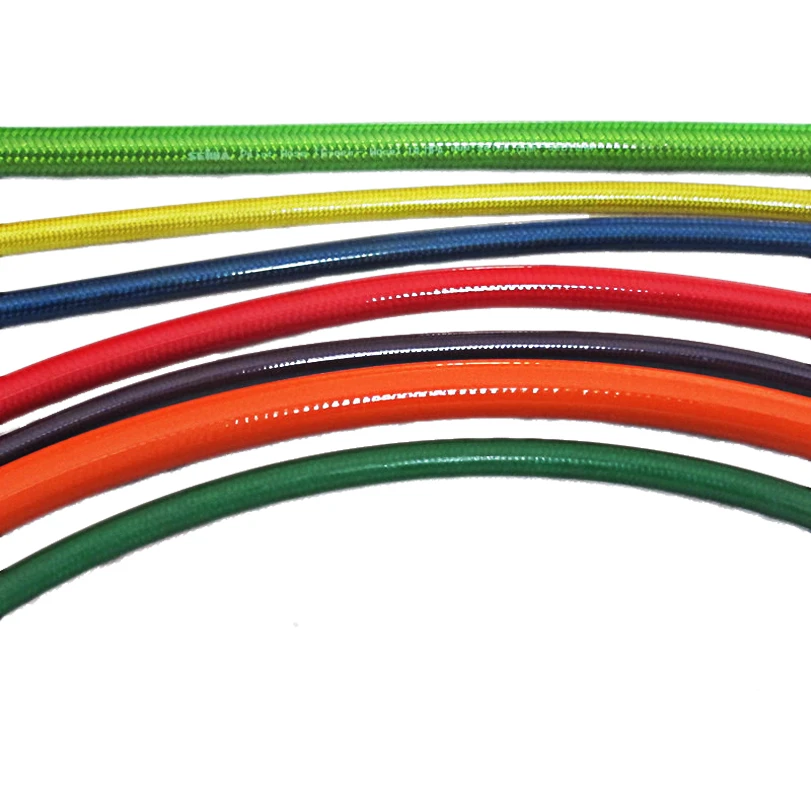
Thermoplastic hoses conforming to the SAE 100R7 standard represent a critical component in numerous fluid power systems across diverse industries, including agriculture, construction, mining, and manufacturing. These hoses are specifically designed for the conveyance of petroleum-based fluids, including hydraulic oil, lubricating oil, and fuel, under moderate to high-pressure conditions. Their widespread adoption is driven by a combination of factors, including their flexibility, relatively lightweight construction, and resistance to abrasion and weathering. OEM thermoplastic hose manufacturing, therefore, necessitates a deep understanding of polymer chemistry, extrusion processes, and stringent quality control measures to meet the rigorous demands of industrial applications. This guide provides an in-depth analysis of the material science, manufacturing processes, performance characteristics, failure modes, and maintenance protocols associated with OEM thermoplastic hose production compliant with SAE 100R7 specifications. A key challenge within the industry revolves around maintaining consistent inner tube and reinforcement layer adhesion, mitigating potential permeation issues, and ensuring long-term performance reliability under cyclical pressure loading and temperature fluctuations. This guide will address these challenges from a technical standpoint.
Material Science & Manufacturing
The core material of an SAE 100R7 thermoplastic hose is typically a polyamide (nylon) inner tube, most commonly Nylon 11 or Nylon 12, selected for their excellent oil resistance, low permeability to fuels and lubricants, and inherent toughness. Nylon 11 offers superior low-temperature flexibility, while Nylon 12 provides better chemical resistance to certain aggressive fluids. The reinforcement layer is traditionally composed of multiple layers of high-tensile strength steel wire, often spiraled at a precise angle to impart burst pressure resistance. The cover, designed to protect the reinforcement from corrosion and abrasion, is typically constructed from a polyurethane or polyester elastomer. The steel wire utilized is critical; typically, high-carbon steel conforming to specific ASTM standards (e.g., ASTM A228) is employed. Manufacturing commences with the extrusion of the inner tube, carefully controlling melt temperature (typically 240-280°C for Nylon 12) and die geometry to ensure uniform wall thickness. The steel wire reinforcement is then applied through a helical winding process, maintaining consistent pitch and tension. Finally, the cover is extruded over the reinforced core. Parameter control during extrusion is paramount – variations in temperature, pressure, and screw speed can lead to material degradation, dimensional inconsistencies, and compromised mechanical properties. Post-extrusion, rigorous testing, including burst pressure testing, impulse testing, and dimensional verification, is conducted to ensure compliance with SAE 100R7 standards. Quality control focuses on adhesion between layers; improper bonding leads to delamination and premature failure. Material compatibility, specifically the interaction between the nylon inner tube and the petroleum-based fluids, is continually monitored through permeation testing and long-term immersion studies.
Performance & Engineering
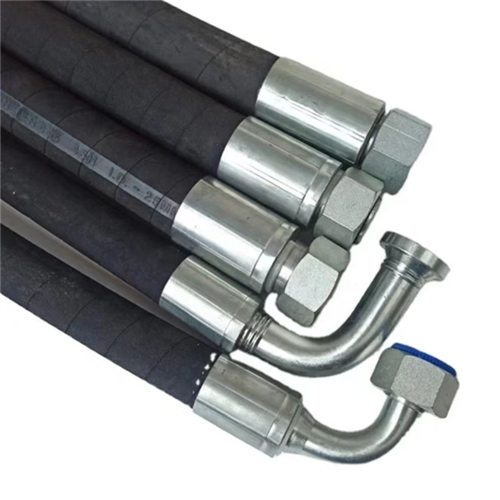
The performance of an SAE 100R7 hose is dictated by several key engineering considerations. Burst pressure, a critical safety parameter, is determined by the tensile strength of the steel wire reinforcement and the adhesion between the layers. Impulse testing, simulating cyclical pressure fluctuations, assesses the hose’s resistance to fatigue failure. Flexing tests evaluate the hose’s ability to withstand repeated bending without cracking or loss of pressure containment. The design must account for thermal expansion and contraction; excessive temperature variations can induce stress on the hose components and potentially lead to leaks or failure. Environmental resistance is also paramount. Exposure to ozone, ultraviolet (UV) radiation, and harsh chemicals can degrade the cover material and compromise its protective function. Finite element analysis (FEA) is routinely employed during the design phase to optimize hose geometry, reinforcement layer configuration, and material selection. Specifically, FEA models can predict stress concentrations under various loading conditions and identify potential failure points. Compliance requirements extend beyond SAE 100R7; regulations pertaining to restricted substances (e.g., REACH, RoHS) must also be adhered to. Furthermore, the hose's compatibility with quick-connect couplings and other fluid power components needs to be thoroughly validated to ensure a leak-free and reliable connection. A core pain point in application involves maintaining consistent performance across a wide operating temperature range; materials must retain their elasticity and strength even at elevated or sub-zero temperatures.
Technical Specifications
| Parameter | Unit | SAE 100R7 Specification Range | Typical OEM Value |
|---|---|---|---|
| Working Pressure | MPa | Up to 35 | 21 |
| Burst Pressure | MPa | Minimum 3x Working Pressure | 63 |
| Temperature Range | °C | -40 to +100 | -40 to +120 |
| Inner Tube Material | - | Nylon 11 or Nylon 12 | Nylon 12 |
| Reinforcement | Layers | Multiple layers of High-Tensile Steel Wire | 4 Spiral |
| Cover Material | - | Polyurethane or Polyester Elastomer | Polyurethane |
Failure Mode & Maintenance
Common failure modes in SAE 100R7 thermoplastic hoses include burst failure due to exceeding the working pressure, fatigue cracking resulting from cyclical pressure loading, pinhole leaks caused by abrasion or chemical attack, and delamination of the inner tube from the reinforcement layer. Fatigue cracking often initiates at stress concentrators, such as hose bends or near fittings. Delamination is frequently caused by inadequate adhesion between the inner tube and the steel wire reinforcement, often stemming from improper surface preparation during manufacturing. Permeation of fluids through the hose wall can also occur over time, particularly with aggressive fuels or lubricants. Oxidation of the steel wire reinforcement, particularly in humid environments, can significantly reduce its tensile strength and contribute to premature failure. Maintenance involves regular visual inspections for signs of wear, abrasion, cracking, or swelling. Hoses should be replaced immediately if any defects are detected. Avoid sharp bending radii, as this can induce stress concentrations and accelerate fatigue failure. Proper storage is also crucial; hoses should be stored in a cool, dry, and dark environment, away from direct sunlight and ozone sources. Periodic pressure testing can help identify subtle leaks or weaknesses before they lead to catastrophic failure. For preventative maintenance, consider using protective sleeves to shield the hose from abrasion and UV exposure. Detailed failure analysis, including microscopic examination of fractured surfaces, can reveal the root cause of failure and inform design improvements or manufacturing process adjustments.
Industry FAQ
Q: What is the significance of the impulse testing requirement in SAE 100R7, and how does it differentiate a high-quality hose?
A: Impulse testing simulates the pressure pulsations common in hydraulic systems. A high-quality hose will demonstrate minimal degradation in burst pressure after a specified number of impulse cycles (typically 100,000). Lower-quality hoses often exhibit a significant reduction in burst strength, indicating susceptibility to fatigue failure. The test effectively reveals the hose’s ability to withstand long-term cyclical stress.
Q: How does the choice of Nylon 11 versus Nylon 12 impact the hose’s performance in different fluid applications?
A: Nylon 11 generally offers superior low-temperature flexibility, making it preferable for applications in colder climates. Nylon 12 exhibits better resistance to certain aggressive chemicals, such as brake fluids, making it a better choice for those applications. The specific fluid compatibility must be considered during material selection.
Q: What are the key factors affecting the long-term permeation resistance of the inner tube?
A: The polymer type (Nylon 11 or 12), the degree of crystallinity, and the presence of any additives or plasticizers all influence permeation resistance. Higher crystallinity reduces permeability. The specific fluid being conveyed also plays a role; some fluids are more readily absorbed by the polymer than others.
Q: What quality control measures are essential to ensure adequate adhesion between the inner tube and the steel wire reinforcement?
A: Thorough surface preparation of the steel wire (cleaning and passivation) is critical. Adhesion promoters are often applied to enhance bonding. Rigorous testing, including peel tests and shear tests, is essential to verify the bond strength. Controlling the extrusion temperature and pressure is also vital.
Q: How does UV exposure affect the hose’s lifespan, and what measures can be taken to mitigate its impact?
A: Prolonged UV exposure can degrade the cover material, leading to cracking, discoloration, and loss of flexibility. Using a UV-stabilized cover compound and employing protective sleeves or storing the hose out of direct sunlight can significantly extend its lifespan.
Conclusion
The manufacturing of SAE 100R7 thermoplastic hoses is a complex process requiring meticulous control over material selection, manufacturing parameters, and quality assurance procedures. Maintaining consistent adhesion between layers, optimizing reinforcement layer configuration, and ensuring compatibility with a wide range of fluids are critical factors influencing performance and longevity. The application of advanced engineering tools, such as FEA, and adherence to stringent industry standards, including SAE 100R7, are essential for producing reliable and safe hoses.
Looking ahead, advancements in polymer technology and reinforcement materials will likely lead to the development of even more durable and high-performance thermoplastic hoses. Focus on sustainable materials and environmentally friendly manufacturing processes will also become increasingly important. Continuous monitoring of industry trends and proactive adoption of new technologies are vital for OEM manufacturers to maintain a competitive edge and meet the evolving needs of the fluid power industry.