
Apr . 01, 2024 17:55 Back to list
oem thermoplastic hose sae100r7 factories Performance Analysis
Introduction
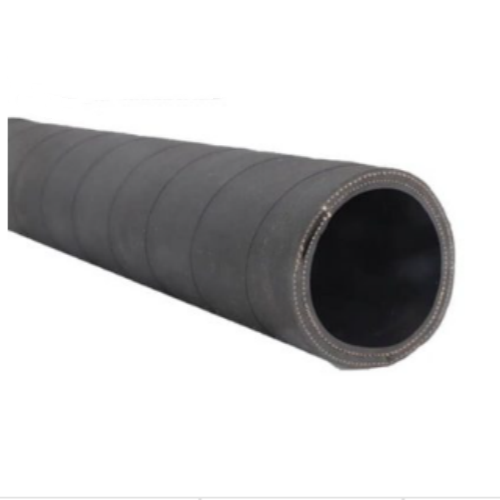
Thermoplastic hoses conforming to SAE 100R7 specifications represent a critical component in fluid power systems across diverse industrial applications, including agricultural machinery, construction equipment, and automotive systems. OEM thermoplastic hose factories focus on the manufacture of these non-metallic, reinforced hoses designed to convey hydraulic fluids. Unlike rubber hoses, these utilize thermoplastic materials offering superior resistance to oil, fuel, and abrasion, alongside lighter weight characteristics. The SAE 100R7 standard defines requirements for hose construction, dimensions, performance (pressure, temperature, impulse), and marking, ensuring interchangeability and safety. Core performance metrics include burst pressure, working pressure, temperature range, and resistance to fluid degradation. A key industry pain point is maintaining consistent material properties and precise dimensional control during extrusion and reinforcement processes to guarantee compliance with stringent SAE standards and avoid premature failure in critical applications. The selection of appropriate thermoplastic polymer, reinforcement materials, and manufacturing process directly influences the hose's lifespan, reliability, and overall system performance.
Material Science & Manufacturing
The core material for SAE 100R7 thermoplastic hoses is typically a polyamide (Nylon 12 is common due to its excellent chemical resistance and low moisture absorption), polypropylene, or polyethylene. Nylon 12 possesses a glass transition temperature (-40°C) and melting point (178°C), rendering it suitable for moderate temperature hydraulic applications. Polypropylene offers good chemical resistance but has a lower operating temperature range. Reinforcement is crucial for withstanding high pressures, and typically consists of high-tensile strength synthetic fibers, such as aramid (Kevlar), polyester, or rayon, spirally wound within the thermoplastic matrix. The fiber's tensile modulus and elongation properties directly impact the hose's burst pressure and flexibility. Manufacturing involves several key steps: compounding (mixing thermoplastic resin with stabilizers, colorants, and processing aids), extrusion (forming the thermoplastic layer), reinforcement winding (applying the synthetic fiber reinforcement), and final extrusion of an outer protective layer. Critical parameters during extrusion include melt temperature, screw speed, and die design, all influencing the final hose dimensions and material crystallinity. Reinforcement winding tension is also paramount; insufficient tension leads to lower burst pressure, while excessive tension can cause dimensional instability. Post-processing often involves dimensional inspection, pressure testing, and marking according to SAE J2064.
Performance & Engineering
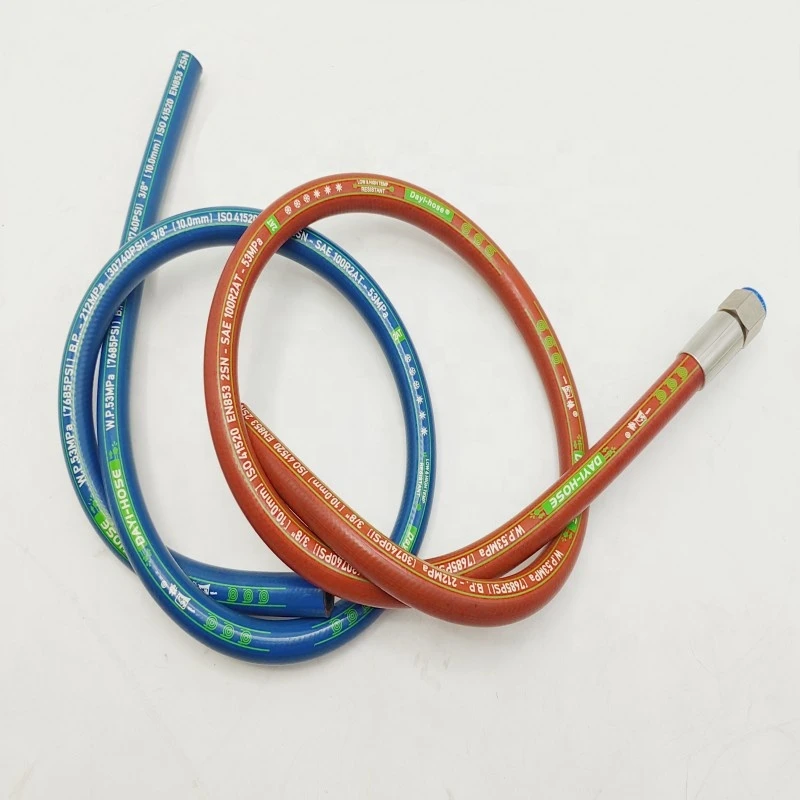
Performance characteristics of SAE 100R7 hoses are heavily dictated by the interplay of material properties and manufacturing precision. Force analysis under pressure considers hoop stress in the thermoplastic wall and tensile stress in the reinforcement layer. Hoop stress is calculated using the Barlow’s formula, modified for thermoplastic materials. Fatigue life is a critical engineering concern; repeated pressure cycles can lead to fatigue cracking in the thermoplastic matrix or fiber breakage. Environmental resistance includes exposure to hydraulic fluids (mineral oil, synthetic fluids, phosphate ester fluids), temperature extremes, and UV radiation. Hydrolytic stability (resistance to degradation by water absorbed from the hydraulic fluid) is particularly important for polyamide-based hoses. Compliance with SAE J518 (hydraulic hose specifications) and SAE J2064 (hose marking requirements) is mandatory for market access. Functional implementation requires careful consideration of hose routing, bend radius (typically 6-10 times the hose ID), and fitting compatibility (SAE J514 standard for fittings). Improper bend radius can induce excessive stress concentrations, leading to premature failure. Furthermore, ensuring chemical compatibility between the hose material and the conveyed fluid is paramount to prevent swelling, softening, or degradation of the hose.
Technical Specifications
| Parameter | Unit | SAE 100R7 Type 1 (Nylon 12) | SAE 100R7 Type 2 (Polypropylene) |
|---|---|---|---|
| Working Pressure | MPa | 20.7 | 17.2 |
| Burst Pressure | MPa | 82.7 | 68.9 |
| Temperature Range | °C | -40 to +100 | -30 to +80 |
| Minimum Bend Radius | mm | 6 x ID | 8 x ID |
| Fiber Reinforcement | - | Aramid/Polyester | Polyester |
| Fluid Compatibility | - | Mineral Oil, Synthetic Fluids | Mineral Oil |
Failure Mode & Maintenance
Common failure modes for SAE 100R7 thermoplastic hoses include burst failure due to exceeding pressure limits, fatigue cracking from repeated flexing, abrasion damage from external contact, and chemical degradation from incompatible fluids. Fatigue cracking often initiates at areas of high stress concentration, such as near fittings or sharp bends. Delamination, the separation of thermoplastic layers, can occur due to inadequate bonding between the matrix and reinforcement. Oxidation of the thermoplastic material can lead to embrittlement and reduced flexibility, particularly at elevated temperatures. Failure analysis involves visual inspection for cracks, bulges, or discoloration, followed by microscopic examination to identify the root cause of failure. Maintenance best practices include regular visual inspections for damage, proper hose routing to avoid abrasion and excessive bending, and ensuring compatibility between the hose and the conveyed fluid. Hose should be replaced immediately if any signs of damage are observed. Proper storage, away from direct sunlight and extreme temperatures, is also crucial for maintaining hose integrity. Avoid kinking or twisting the hose during installation and operation.
Industry FAQ
Q: What are the key differences between Nylon 12 and Polypropylene SAE 100R7 hoses, and which should I choose for a high-temperature application?
A: Nylon 12 hoses offer superior temperature resistance (-40°C to +100°C) and broader fluid compatibility compared to Polypropylene (-30°C to +80°C). For high-temperature applications exceeding 80°C, Nylon 12 is the preferred choice. However, Nylon 12 is more susceptible to moisture absorption, potentially affecting hydrolytic stability. Polypropylene is more cost-effective but its limited temperature range restricts its use in demanding applications.
Q: How does reinforcement material impact the burst pressure of an SAE 100R7 hose?
A: The reinforcement material’s tensile strength and modulus are directly proportional to the hose’s burst pressure. Aramid fibers (e.g., Kevlar) provide the highest tensile strength, enabling higher burst pressures, but are more expensive. Polyester offers a good balance of strength and cost. The winding tension during reinforcement application also significantly affects burst pressure; consistent tension is critical.
Q: What is the significance of the SAE J2064 marking requirements on a thermoplastic hose?
A: SAE J2064 defines the specific markings that must be permanently embossed on the hose, including manufacturer identification, hose type (100R7), size, working pressure, and date of manufacture. These markings verify compliance with SAE standards and allow for traceability in case of failures.
Q: How do I determine the proper bend radius for an SAE 100R7 hose to prevent premature failure?
A: The recommended minimum bend radius is typically 6-10 times the inner diameter (ID) of the hose. Exceeding this limit induces excessive stress concentrations, leading to fatigue cracking and potential rupture. Consult the hose manufacturer's specifications for precise bend radius recommendations.
Q: What types of hydraulic fluids are compatible with Nylon 12 SAE 100R7 hoses?
A: Nylon 12 exhibits excellent compatibility with mineral oils, synthetic hydraulic fluids (PAO, ester-based), and phosphate ester fluids. However, it is not recommended for use with highly corrosive fluids or those containing aggressive solvents. Always verify fluid compatibility with the hose manufacturer before use.
Conclusion
SAE 100R7 thermoplastic hoses represent a robust and reliable solution for hydraulic fluid conveyance in numerous industrial sectors. Understanding the interplay between material science, manufacturing processes, and performance characteristics is critical for selecting the appropriate hose for a specific application. Consistent adherence to SAE standards, coupled with proper installation and maintenance practices, is paramount to maximizing hose lifespan and ensuring system safety.
Future developments in thermoplastic hose technology will likely focus on enhancing hydrolytic stability, improving abrasion resistance, and incorporating smart sensing capabilities for real-time monitoring of hose condition. OEMs specializing in these hoses will need to continuously invest in advanced materials and manufacturing techniques to meet the evolving demands of the hydraulic power industry.