
Apr . 01, 2024 17:55 Back to list
oem thermoplastic hose factories Performance Analysis
Introduction
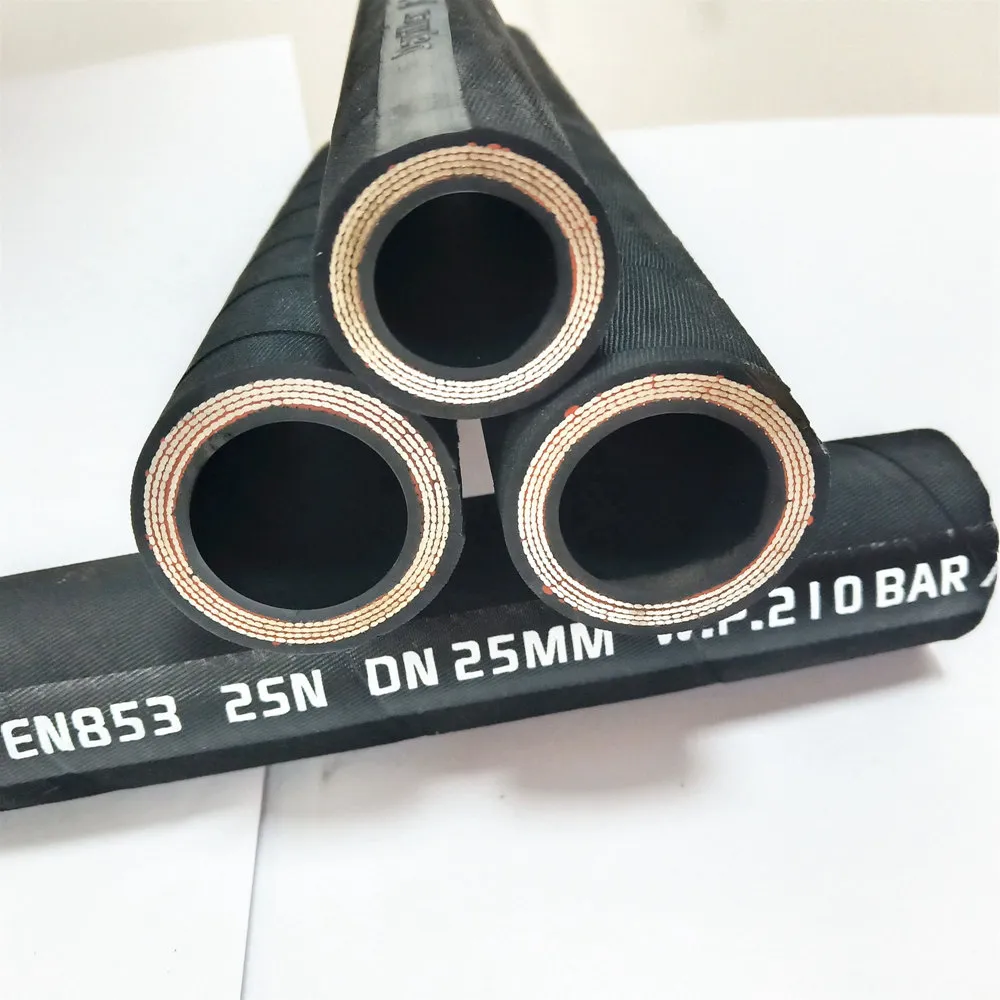
OEM thermoplastic hoses represent a critical component in numerous industrial fluid transfer applications, spanning automotive, agriculture, construction, and chemical processing. Positioned within the supply chain as a customized solution provider, OEM hose manufacturers bridge the gap between raw polymer suppliers and end-use equipment manufacturers. These hoses are engineered for specific performance characteristics, deviating from standard, off-the-shelf options to meet precise requirements for pressure, temperature, chemical compatibility, and dimensional constraints. Core performance metrics include burst pressure, working pressure, tensile strength, elongation at break, and resistance to permeation and degradation. The increasing demand for lightweight, corrosion-resistant, and application-specific fluid conveyance solutions drives growth in this sector. A primary industry pain point revolves around consistently achieving tight tolerances and maintaining batch-to-batch consistency in material properties, particularly when dealing with specialized polymer blends and demanding operational environments.
Material Science & Manufacturing
Thermoplastic hoses are typically constructed from polymers such as Polyvinyl Chloride (PVC), Polyethylene (PE), Polypropylene (PP), Thermoplastic Polyurethane (TPU), Polyamide (Nylon), and Polyvinylidene Fluoride (PVDF). Each material offers a unique profile of physical and chemical properties. PVC provides cost-effectiveness and good chemical resistance, while PE exhibits excellent flexibility. TPU excels in abrasion resistance and low-temperature performance. Nylon demonstrates high tensile strength and temperature resistance, and PVDF offers superior chemical inertness, even at elevated temperatures. The manufacturing process usually begins with polymer selection and compounding, often incorporating plasticizers, stabilizers, fillers (e.g., carbon black, talc), and colorants. Extrusion is the predominant forming method. This involves melting the compound and forcing it through a die to create a continuous hose profile. Key parameters during extrusion include melt temperature, screw speed, die pressure, and cooling rate. Post-extrusion processes may include braiding or spiraling with reinforcing fibers (typically polyester or aramid) to enhance pressure resistance. Subsequent calendaring or spiraling adds external protection layers. Quality control requires rigorous testing of raw material properties (melt flow index, tensile strength, hardness), dimensional accuracy of the hose, and adhesion between layers. Chemical compatibility testing is paramount to ensure long-term performance and prevent premature failure. Incorrectly compounded materials or improper extrusion parameters can lead to variations in wall thickness, inconsistent mechanical properties, and compromised chemical resistance.

Performance & Engineering
Performance evaluation of thermoplastic hoses hinges on understanding stress-strain relationships, fluid dynamics, and environmental factors. Burst pressure testing, conducted according to standardized methods (see Standards & Regulations), determines the maximum pressure the hose can withstand before rupture. Working pressure is typically specified as a fraction of the burst pressure, providing a safety margin. Tensile strength and elongation at break define the hose’s resistance to stretching and tearing. Environmental resistance is assessed through exposure to various chemicals, temperatures, UV radiation, and ozone. Permeation testing measures the rate at which fluids migrate through the hose wall, crucial for applications involving hazardous or valuable substances. Force analysis, incorporating Hooke’s Law and material-specific constitutive models, predicts hose deformation under pressure and bending. Finite element analysis (FEA) is frequently employed to optimize hose design and identify potential stress concentrations. Compliance requirements vary depending on the application. Automotive hoses, for instance, must meet stringent FMVSS standards for fuel lines and coolant hoses. Hoses used in food and beverage applications must comply with FDA regulations regarding material safety and leachability. Furthermore, hoses transporting flammable fluids may need to meet ATEX directives concerning electrostatic discharge. A common engineering challenge lies in balancing flexibility and pressure resistance; increasing reinforcement layers enhances pressure capacity but can reduce flexibility.
Technical Specifications
| Parameter | PVC Hose | TPU Hose | Nylon Hose | PVDF Hose |
|---|---|---|---|---|
| Working Pressure (PSI) | 150 | 300 | 500 | 400 |
| Burst Pressure (PSI) | 450 | 900 | 1500 | 1200 |
| Tensile Strength (MPa) | 10 | 30 | 60 | 45 |
| Elongation at Break (%) | 200 | 400 | 300 | 250 |
| Temperature Range (°C) | -20 to 60 | -40 to 90 | -30 to 120 | -50 to 150 |
| Chemical Resistance | Good (acids, bases) | Excellent (oils, fuels) | Good (aliphatic hydrocarbons) | Superior (most chemicals) |
Failure Mode & Maintenance
Thermoplastic hose failures typically manifest as cracking, kinking, blistering, permeation, or complete rupture. Fatigue cracking, caused by repeated flexing and pressure cycling, is a common failure mode, particularly in applications involving dynamic loads. Stress cracking can occur due to exposure to incompatible chemicals or sustained mechanical stress. Blistering indicates material degradation, often caused by UV exposure or chemical attack. Permeation, while not a catastrophic failure, can lead to fluid loss and environmental contamination. Complete rupture is usually a result of exceeding the hose’s pressure rating or a severe mechanical impact. Failure analysis involves visual inspection, microscopic examination of fracture surfaces, and chemical analysis to identify the root cause. Preventive maintenance includes regular visual inspections for signs of damage, periodic pressure testing, and proper storage to avoid UV exposure and extreme temperatures. Hoses should be replaced at predetermined intervals, based on application severity and manufacturer recommendations. Avoiding sharp bends and kinks during installation and operation is crucial. When dealing with chemical exposure, selecting a hose material with proven compatibility is essential. Properly securing hoses to prevent excessive vibration and abrasion will extend their service life. Routine cleaning to remove external contaminants also minimizes degradation risk.
Industry FAQ
Q: What is the primary difference between a reinforced and non-reinforced thermoplastic hose, and when would I choose one over the other?
A: Non-reinforced hoses are suitable for low-pressure applications where flexibility is paramount. They rely solely on the polymer's inherent strength. Reinforced hoses, incorporating braided or spiraled reinforcement, offer significantly higher pressure resistance and burst strength. Choose reinforced hoses for applications with high pressures, pulsating flows, or demanding operational conditions. The reinforcement adds structural integrity but may reduce flexibility compared to a non-reinforced hose.
Q: How does temperature affect the performance of a thermoplastic hose, and what considerations should be made when selecting a hose for high-temperature applications?
A: Elevated temperatures generally reduce the tensile strength and pressure resistance of thermoplastic materials. Plasticizers can leach out at high temperatures, leading to embrittlement. For high-temperature applications, select a hose material with a high glass transition temperature (Tg) and excellent thermal stability, such as PVDF or Nylon. Additionally, consider the impact of heat cycling on hose life.
Q: What steps should be taken to ensure chemical compatibility between a thermoplastic hose and the fluid it will convey?
A: Consult chemical compatibility charts provided by hose manufacturers. These charts indicate the resistance of various polymers to different chemicals. Conduct small-scale immersion testing to verify compatibility before deploying the hose in a full-scale application. Consider the concentration, temperature, and duration of exposure when assessing chemical compatibility.
Q: What are the typical failure modes associated with long-term UV exposure, and how can these be mitigated?
A: Long-term UV exposure can cause polymer degradation, leading to cracking, discoloration, and reduced mechanical properties. Mitigation strategies include using UV-stabilized formulations, selecting hoses with UV-resistant outer layers, and protecting hoses from direct sunlight whenever possible. Dark-colored hoses generally offer better UV resistance than light-colored hoses.
Q: What is the role of standards like SAE J20R3 and how do they impact hose selection and quality control?
A: SAE J20R3 is a widely recognized standard that defines performance requirements for hydraulic hoses, including thermoplastic types. Compliance with standards like J20R3 ensures a minimum level of quality and performance. Hose manufacturers typically conduct testing to demonstrate compliance, and buyers can use these standards as a benchmark when evaluating different hoses. Adhering to these standards promotes interchangeability and reliability.
Conclusion
OEM thermoplastic hoses represent a technologically sophisticated fluid transfer solution, critically dependent on material science, precise manufacturing processes, and rigorous performance testing. The selection of the appropriate hose material and construction is paramount, dictated by the specific application’s pressure, temperature, chemical exposure, and mechanical demands. Addressing the core industry pain points of consistent material properties and maintaining tight tolerances requires meticulous quality control throughout the entire manufacturing process.
Looking ahead, advancements in polymer technology, such as the development of high-performance thermoplastic elastomers (TPEs) and nanocomposites, promise to deliver hoses with enhanced durability, chemical resistance, and barrier properties. Continued innovation in extrusion techniques and reinforcement materials will further optimize hose performance and reduce weight. The increasing adoption of digital technologies, including sensor integration and data analytics, will enable predictive maintenance and improve overall system reliability.