
Apr . 01, 2024 17:55 Back to list
oem suction hose manufacturer Performance Analysis
Introduction
OEM suction hoses are critical components in fluid transfer systems across diverse industrial applications, including agriculture, construction, mining, and chemical processing. These hoses facilitate the transfer of liquids, slurries, and even solid-laden materials from a source to a designated location. The core function revolves around maintaining a vacuum to draw materials, necessitating robust construction to withstand negative pressure. OEM designation indicates manufacture to specific client requirements, demanding rigorous quality control and adherence to precise specifications. Performance characteristics – including vacuum rating, burst pressure, chemical compatibility, and abrasion resistance – define their suitability for specific applications. The industry currently faces challenges related to optimizing hose life in increasingly abrasive environments, and ensuring compatibility with new chemical formulations, leading to demand for advanced polymer technologies and innovative reinforcement structures.
Material Science & Manufacturing
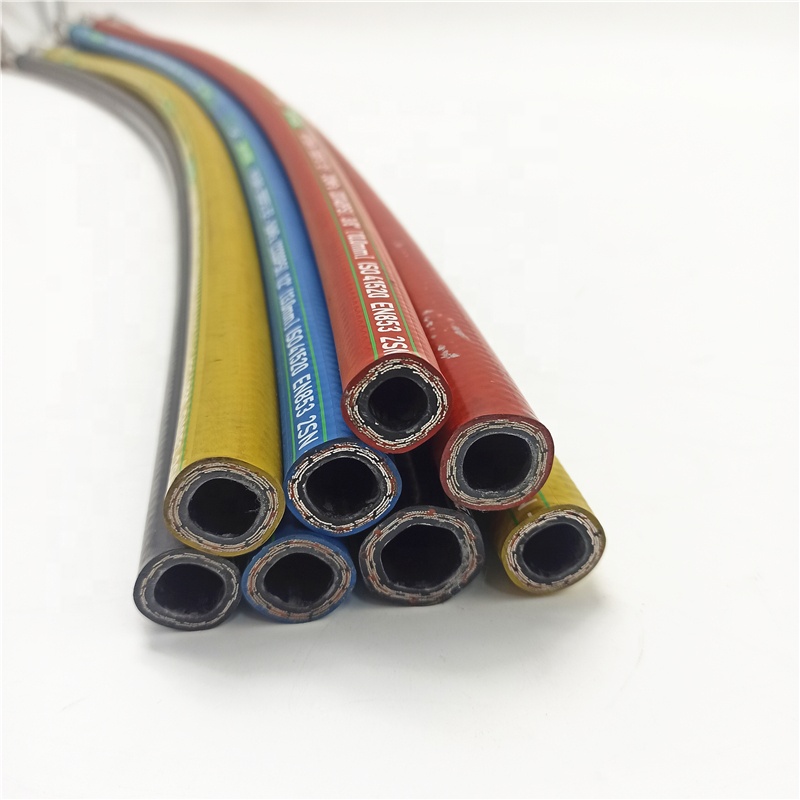
Suction hose construction typically involves a combination of polymeric materials and reinforcement layers. Common polymers include: Natural Rubber (NR) – offering high elasticity and abrasion resistance, but limited chemical resistance; Styrene-Butadiene Rubber (SBR) – a cost-effective alternative to NR with good abrasion resistance; Polyvinyl Chloride (PVC) – known for its chemical resistance and low cost, suitable for non-critical applications; Thermoplastic Polyurethane (TPU) – providing excellent abrasion, oil, and chemical resistance, often used in demanding industrial environments; and Ethylene Propylene Diene Monomer (EPDM) – demonstrating superior resistance to weathering, ozone, and heat. Reinforcement layers are crucial for maintaining hose integrity under vacuum. These consist of textiles (polyester, nylon) woven or knitted into a fabric, steel wire helices providing rigid structural support, or a combination of both. Manufacturing processes vary depending on the hose type and materials. Rubber hoses are commonly produced via extrusion, followed by vulcanization to crosslink the polymer chains, enhancing strength and elasticity. PVC hoses utilize extrusion and calendaring techniques. Critical parameters during manufacturing include polymer blending ratios, extrusion temperature and pressure, vulcanization time and temperature, and reinforcement layer tension. Maintaining tight control over these parameters is vital to ensure consistent product quality and performance. A key pain point is achieving uniform wall thickness during extrusion, as variations can lead to premature failure.
Performance & Engineering
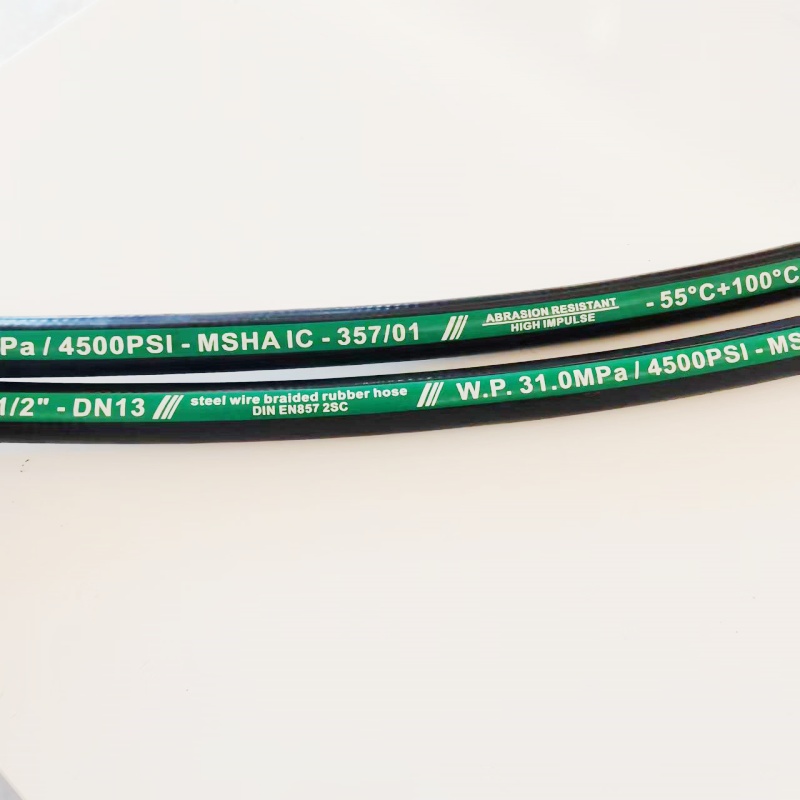
The performance of a suction hose is dictated by its ability to withstand negative pressure, resist external forces, and maintain chemical compatibility. Force analysis focuses on hoop stress induced by the vacuum, longitudinal stress due to bending, and radial stress caused by internal pressure fluctuations. Hose collapse is a primary failure mode under vacuum, and is mitigated by the reinforcement structure. Burst pressure – the maximum pressure the hose can withstand before failure – is a critical safety parameter. Environmental resistance encompasses resistance to temperature extremes, UV degradation, ozone cracking, and chemical attack. Specific applications may require compliance with industry standards such as FDA regulations for food-grade hoses or REACH/RoHS directives regarding restricted substances. Engineering considerations include the hose’s flexibility, bend radius, and kink resistance. A tighter bend radius increases stress on the hose wall, potentially leading to fatigue failure. Proper selection of reinforcement materials and polymer compounds is essential to balance flexibility with structural integrity. A major industry challenge is designing hoses that can reliably operate with increasingly aggressive media, demanding advanced material formulations and protective linings.
Technical Specifications
| Parameter | Unit | Typical Value (EPDM Lined, Steel Wire Helix) | Testing Standard |
|---|---|---|---|
| Vacuum Rating | inches Hg | -29.5 | ASTM D297 |
| Burst Pressure | psi | 300 | ASTM D297 |
| Tensile Strength | psi | 850 | ASTM D412 |
| Elongation at Break | % | 400 | ASTM D412 |
| Hardness (Shore A) | - | 65 | ASTM D2240 |
| Operating Temperature Range | °F | -40 to 212 | ASTM D871 |
Failure Mode & Maintenance
Common failure modes for suction hoses include: collapse due to insufficient vacuum resistance; cracking due to fatigue or environmental degradation; permeation of fluids through the hose wall; delamination of reinforcement layers; and chemical attack leading to material breakdown. Fatigue cracking typically initiates at points of high stress concentration, such as bends or fittings. Delamination can occur when the adhesive bond between the polymer and reinforcement weakens. Chemical attack depends on the compatibility between the hose material and the conveyed fluid. Oxidation and UV degradation contribute to the embrittlement of the polymer. Preventative maintenance involves regular visual inspections for cracks, abrasions, and swelling. Hoses should be replaced if any signs of damage are detected. Avoid over-bending or kinking the hose. Store hoses in a cool, dry place away from direct sunlight and harsh chemicals. Periodic pressure testing can help identify potential leaks or weaknesses before they lead to catastrophic failure. A key challenge is predicting remaining useful life in aggressive environments, necessitating advanced non-destructive testing techniques like ultrasonic thickness measurement.
Industry FAQ
Q: What is the impact of hose wall thickness on vacuum performance?
A: Increased wall thickness generally improves vacuum resistance, but also reduces flexibility. The optimal wall thickness is a balance between these factors, dictated by the application's specific requirements. Insufficient wall thickness can lead to hose collapse under vacuum.
Q: How does the reinforcement material affect hose durability?
A: Steel wire helices provide superior structural support and burst strength, while textile reinforcement offers greater flexibility and abrasion resistance. The choice depends on the operating pressure and the abrasive nature of the conveyed media.
Q: What considerations are important when selecting a hose for chemical transfer?
A: Chemical compatibility is paramount. The hose material must be resistant to degradation by the conveyed fluid. Consult chemical resistance charts to ensure the polymer is suitable for the application. Liners may be required for aggressive chemicals.
Q: What are the common causes of hose failure in slurry applications?
A: Abrasive wear is a primary failure mode in slurry applications. Selecting a hose with a highly abrasion-resistant liner (e.g., ceramic-reinforced rubber) is critical. Proper flow velocity control can also minimize wear.
Q: How does temperature affect the performance and lifespan of a suction hose?
A: Elevated temperatures can accelerate polymer degradation and reduce the hose's mechanical properties. Low temperatures can cause embrittlement. Operating within the hose’s specified temperature range is essential for long-term reliability.
Conclusion
OEM suction hoses represent a critical component in numerous industrial processes, demanding careful consideration of material science, manufacturing techniques, and engineering principles. The selection process must prioritize vacuum rating, burst pressure, chemical compatibility, and abrasion resistance, tailored to the specific application. Understanding potential failure modes and implementing preventative maintenance strategies are crucial for maximizing hose lifespan and ensuring operational safety.
Future development in suction hose technology will likely focus on advanced polymer formulations with enhanced chemical and abrasion resistance, as well as smart hose designs incorporating sensors for real-time monitoring of pressure, temperature, and wear. The increasing demand for sustainable materials will also drive innovation in bio-based polymer alternatives.