
Apr . 01, 2024 17:55 Back to list
oem suction hose factories Performance Analysis

Introduction
OEM suction hoses represent a critical component in fluid transfer systems across diverse industrial applications, including agriculture, mining, construction, and chemical processing. These hoses are designed to reliably convey liquids, slurries, and occasionally solids under vacuum conditions, primarily utilized for intake applications. The core function distinguishes them from pressure hoses, which are designed to deliver fluids under pressure. The OEM designation signifies that these hoses are typically manufactured to specific client specifications and integrated directly into larger systems rather than sold as standalone retail products. Key performance indicators for suction hoses include vacuum rating, burst pressure, tensile strength, chemical compatibility, and abrasion resistance. Failure in these areas can lead to costly downtime, environmental hazards, and safety concerns. This guide provides an in-depth technical overview of OEM suction hoses, encompassing material science, manufacturing processes, performance characteristics, failure modes, and relevant industry standards.
Material Science & Manufacturing
Suction hoses are commonly constructed from a variety of materials, each offering specific advantages and disadvantages regarding performance and cost. Polyvinyl Chloride (PVC) is a prevalent choice due to its cost-effectiveness and resistance to many chemicals. However, PVC can become brittle at low temperatures and lacks inherent oil resistance. Rubber compounds, specifically Natural Rubber (NR), Styrene-Butadiene Rubber (SBR), and Ethylene Propylene Diene Monomer (EPDM) are frequently employed for applications requiring higher flexibility, abrasion resistance, and oil resistance. NR offers excellent elasticity and tear strength but is susceptible to degradation from ozone and UV exposure. SBR provides good abrasion resistance and aging characteristics at a lower cost than NR, while EPDM demonstrates superior resistance to weathering, ozone, and heat. Thermoplastic Polyurethane (TPU) is gaining popularity for its exceptional abrasion resistance, oil resistance, and flexibility, though it generally commands a higher price point.
Manufacturing processes vary depending on the hose material and desired construction. PVC hoses are commonly produced through extrusion, where molten PVC is forced through a die to create a seamless tube. Reinforcement layers, typically woven polyester or nylon fabric, are often embedded during the extrusion process to enhance tensile strength and prevent collapse under vacuum. Rubber hoses are typically built up using a mandrel winding process. Layers of rubber compound, fabric reinforcement, and sometimes steel wire helix are applied sequentially onto a mandrel. The assembled hose is then vulcanized – a process of heating under pressure – to crosslink the rubber molecules, imparting elasticity, strength, and durability. The precise control of temperature, pressure, and cure time during vulcanization is critical for achieving optimal performance characteristics. For TPU hoses, extrusion and spiral wrapping with textile reinforcement are common techniques. Post-processing operations include cutting to length, attaching fittings (typically using clamping or bonding methods), and rigorous quality control testing.
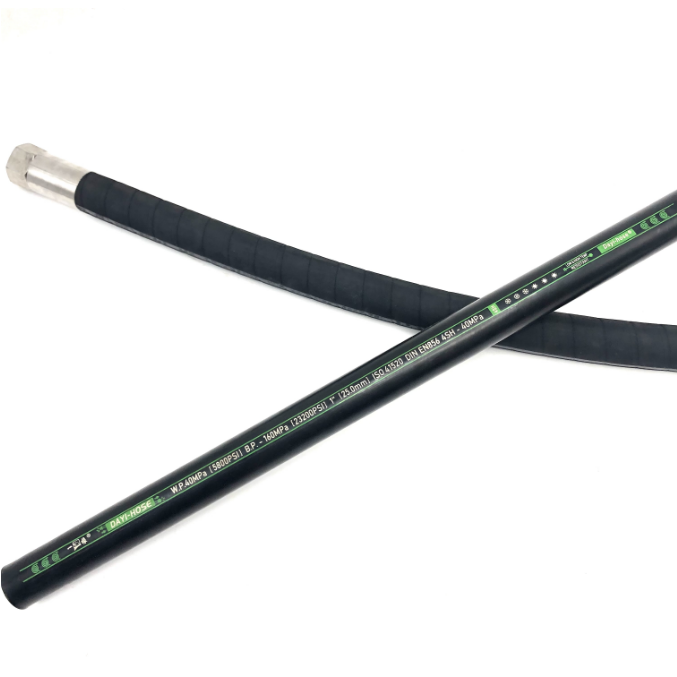
Performance & Engineering
The performance of a suction hose is fundamentally governed by its ability to withstand negative pressure (vacuum) without collapsing. This is directly related to the hose’s wall thickness, reinforcement structure, and material properties. The vacuum rating, typically expressed in inches of mercury (inHg) or kilopascals (kPa), represents the maximum vacuum the hose can withstand without imploding. Burst pressure, while less critical for suction hoses, is an important safety parameter indicating the hose's ability to contain pressure in the event of over-pressurization. Tensile strength dictates the hose’s resistance to tearing and elongation under load. Force analysis, using methods like finite element analysis (FEA), is often employed during the design phase to optimize reinforcement placement and wall thickness for specific operating conditions. Environmental resistance is paramount. Chemical compatibility must be verified to ensure the hose material does not degrade or swell when exposed to the conveyed fluid. Temperature extremes can also significantly impact performance, affecting flexibility, strength, and chemical resistance. Compliance requirements vary by industry and region. For example, hoses used in food and beverage applications must comply with FDA regulations regarding material safety and extractables. Hoses used in oil and gas applications must meet API standards for performance and safety.
Technical Specifications
| Parameter | PVC Hose | Rubber (SBR) Hose | TPU Hose | EPDM Rubber Hose |
|---|---|---|---|---|
| Vacuum Rating (inHg) | Up to 29 | Up to 28 | Up to 29 | Up to 27 |
| Burst Pressure (PSI) | 150 | 200 | 300 | 180 |
| Tensile Strength (PSI) | 2000 | 3500 | 4500 | 3000 |
| Temperature Range (°F) | -20 to 150 | -40 to 180 | -40 to 200 | -50 to 250 |
| Chemical Resistance | Good for many acids & alkalis | Good for oil & fuel | Excellent for oils, fuels & solvents | Excellent for ozone, weathering, heat |
| Abrasion Resistance | Moderate | Good | Excellent | Good |
Failure Mode & Maintenance
Common failure modes in OEM suction hoses include collapse due to insufficient vacuum rating, cracking due to fatigue or material degradation, leakage through pinholes or at fitting connections, and permeation of fluids through the hose wall. Fatigue cracking is often initiated at stress concentration points, such as near fittings or bends. Degradation can occur due to prolonged exposure to UV radiation, ozone, chemicals, or extreme temperatures. Permeation is more prevalent in hoses constructed from materials with poor barrier properties. Delamination, the separation of reinforcement layers, can occur due to inadequate bonding or excessive stress. Oxidation of rubber compounds can lead to brittleness and cracking. Regular inspection is crucial for identifying potential problems before they escalate. Visual inspection should focus on cracks, bulges, abrasions, and leaks. The hose should be checked for flexibility and evidence of material degradation. Proper storage is also essential. Hoses should be stored in a cool, dry, and dark location, away from direct sunlight and chemicals. Avoid kinking or sharply bending the hose during storage and handling. Cleaning should be performed with mild soap and water. Avoid using abrasive cleaners or solvents that could damage the hose material. Replace the hose immediately if any signs of significant damage or degradation are observed.
Industry FAQ
Q: What is the primary difference between a suction hose and a delivery hose, and how does that impact material selection?
A: The key difference lies in the pressure differential. Suction hoses must withstand negative pressure (vacuum) attempting to collapse the hose wall, necessitating reinforcement to prevent implosion. Delivery hoses withstand positive pressure, requiring materials with high tensile strength to prevent bursting. This dictates material choices – suction hoses often utilize flexible materials with robust reinforcement, while delivery hoses prioritize materials with high burst strength.
Q: How do I determine the appropriate vacuum rating for a specific application?
A: The vacuum rating should always exceed the maximum vacuum expected in the system. Factor in potential process fluctuations and safety margins. Accurately measure the system's vacuum level under worst-case operating conditions. A safety factor of 2:1 or higher is generally recommended.
Q: What considerations are important when selecting a suction hose for use with abrasive materials?
A: Abrasion resistance is paramount. TPU offers exceptional abrasion resistance, but rubber compounds like SBR and NR with hardened surfaces can also be suitable. Consider the particle size, velocity, and concentration of the abrasive material. A thicker hose wall and specialized abrasion-resistant liners can further enhance durability.
Q: Can a suction hose be used for intermittent suction and intermittent gravity drain?
A: Yes, provided the hose's materials are compatible with the fluid being transferred during the gravity drain phase. However, the hose's structural integrity must be maintained under both conditions. Ensure the hose's vacuum rating is adequate for the suction phase and its burst pressure is sufficient for the weight of the fluid column during the drain phase.
Q: What are the typical fitting options for OEM suction hoses, and how does fitting selection impact long-term performance?
A: Common fittings include clamped fittings (using stainless steel band clamps), bonded fittings (where the hose is chemically bonded to a fitting), and flanged fittings. Clamped fittings are versatile and easy to install, but can be prone to loosening over time. Bonded fittings offer a secure and leak-proof connection, but are less easily replaceable. Flanged fittings are suitable for high-pressure applications. Proper fitting selection, material compatibility, and secure attachment are crucial for preventing leaks and ensuring long-term performance.
Conclusion
OEM suction hoses are specialized components demanding careful material selection, robust manufacturing processes, and diligent performance monitoring. The optimal hose configuration is dictated by a confluence of factors including the conveyed fluid’s chemical properties, operating temperature, vacuum level, and abrasive characteristics. Failure to adequately address these parameters can result in premature failure, system downtime, and potential safety hazards.
Ongoing research and development efforts are focused on enhancing hose durability, chemical resistance, and barrier properties. The adoption of advanced materials like thermoplastic composites and the implementation of sophisticated FEA modeling techniques will further optimize hose designs for increasingly demanding applications. Prioritizing preventative maintenance and adhering to relevant industry standards are essential for maximizing the service life and ensuring the reliable operation of OEM suction hose systems.

