
Apr . 01, 2024 17:55 Back to list
oem suction and delivery hose suppliers Performance Analysis
Introduction
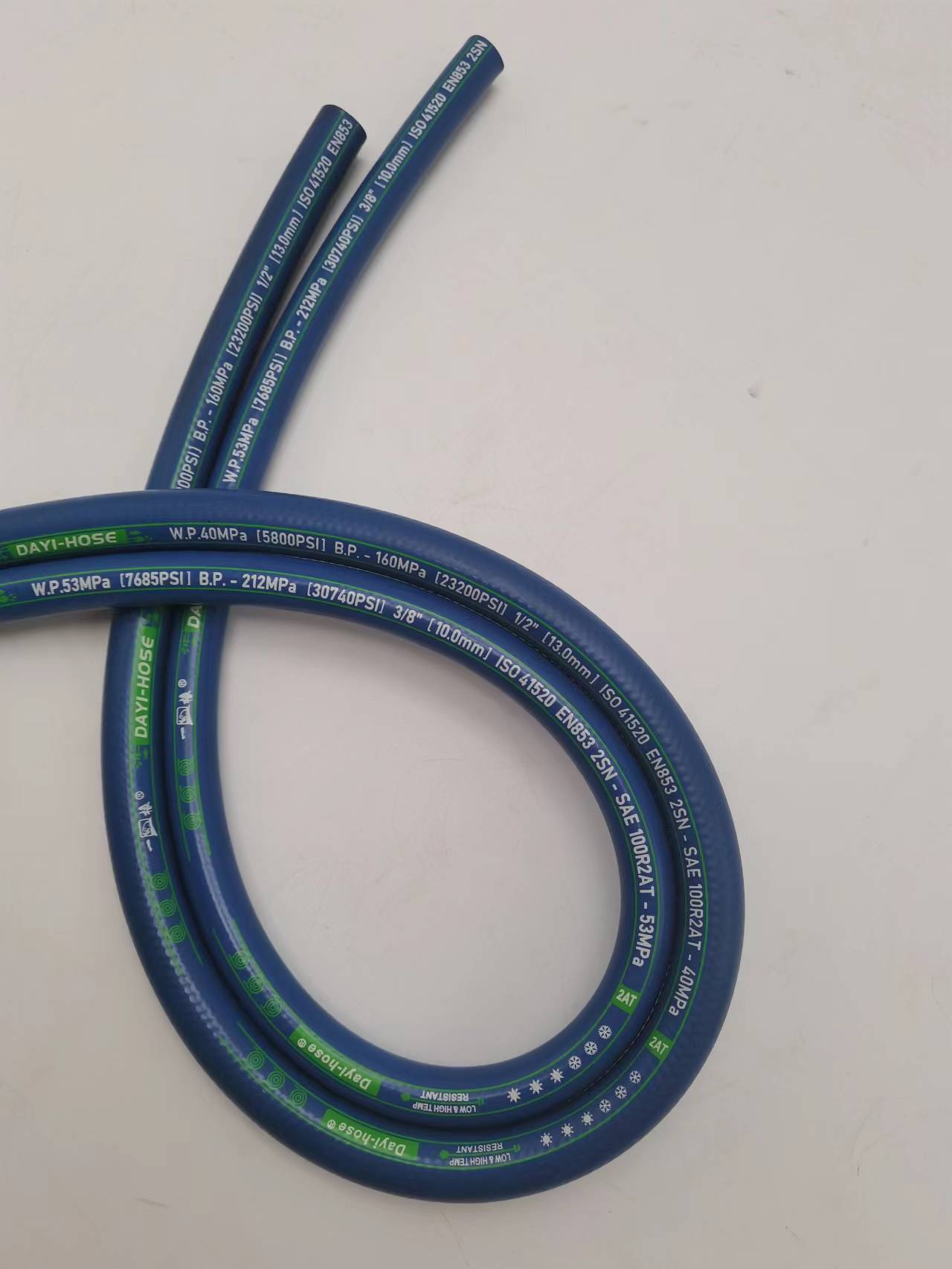
OEM suction and delivery hoses are critical components in numerous industrial processes, facilitating the transfer of liquids, slurries, and gases. Positioned within the fluid handling system supply chain, these hoses connect pumps, tanks, and processing equipment. Their performance directly impacts operational efficiency, safety, and product integrity. This guide provides an in-depth technical overview of these hoses, encompassing material science, manufacturing processes, performance characteristics, failure modes, and relevant industry standards. A core industry pain point lies in selecting a hose that can withstand specific chemical compatibility, pressure fluctuations, and abrasive material handling without premature failure, leading to costly downtime and safety hazards.
Material Science & Manufacturing
Suction and delivery hoses are commonly constructed from a variety of elastomers and reinforcing materials. The elastomer provides the flexible matrix, while the reinforcement determines pressure resistance and structural integrity. Common elastomers include Natural Rubber (NR), Styrene-Butadiene Rubber (SBR), Ethylene Propylene Diene Monomer (EPDM), Nitrile Rubber (NBR), Chloroprene Rubber (CR, Neoprene), and Polyvinyl Chloride (PVC). NR exhibits excellent elasticity and abrasion resistance but limited oil resistance. SBR offers improved abrasion resistance and lower cost compared to NR. EPDM excels in weather, ozone, and chemical resistance, making it suitable for outdoor applications and aggressive media. NBR provides superior oil and fuel resistance, critical in petrochemical industries. CR balances oil resistance with weather resistance. PVC is a cost-effective option for non-aggressive applications.
Reinforcement typically consists of textile plies (typically polyester or nylon), spirally wound steel wire, or a combination of both. Textile reinforcement provides burst pressure resistance and dimensional stability. Steel wire dramatically increases pressure handling capabilities and prevents kinking under vacuum conditions. Manufacturing processes vary depending on hose type. Extrusion is used for the inner and outer layers. Braiding or winding processes apply the reinforcement. Vulcanization, a chemical process involving sulfur or peroxides, crosslinks the elastomer chains, imparting elasticity, strength, and resistance to degradation. Critical parameters during vulcanization include temperature, time, and catalyst concentration; deviations can result in under-cured (weak) or over-cured (brittle) hoses. For composite hoses utilizing multiple layers, precise ply alignment and bonding are essential to prevent delamination.
Performance & Engineering
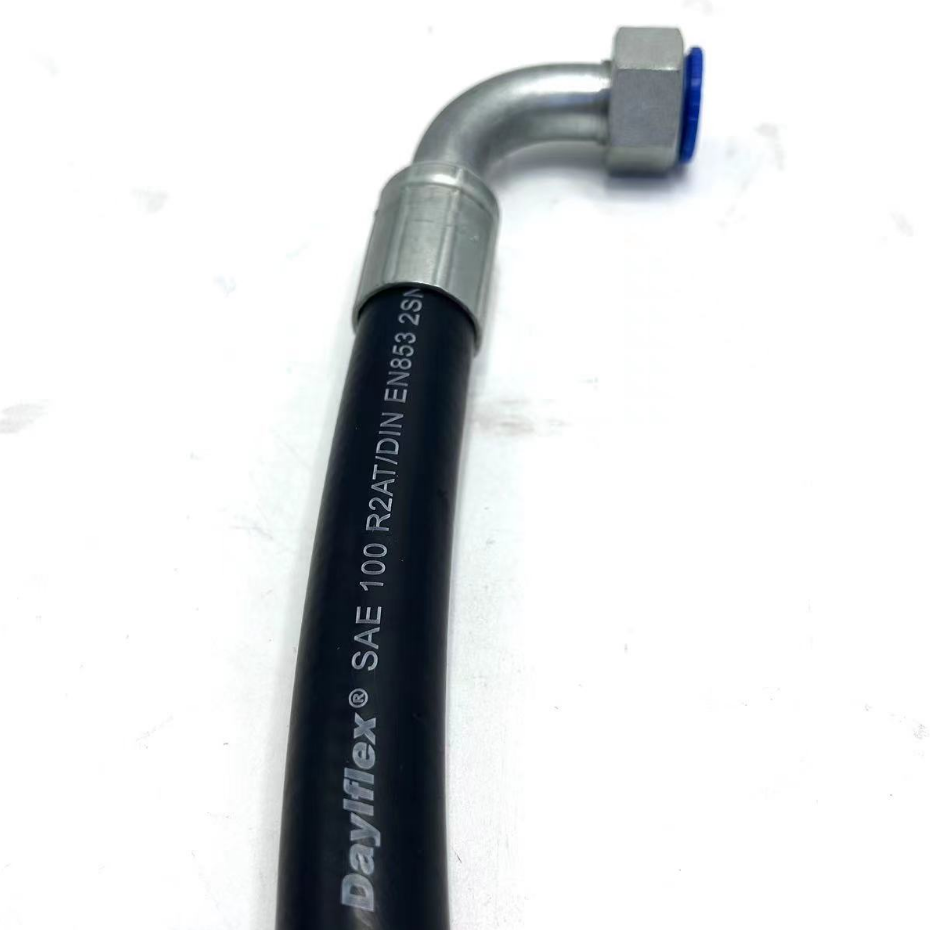
Performance characteristics of suction and delivery hoses are governed by several engineering principles. Burst pressure, defined as the pressure at which the hose fails, is a critical safety parameter. Working pressure, typically a fraction of the burst pressure (e.g., 4:1 safety factor), dictates the maximum operating pressure. Vacuum pressure, the hose’s ability to withstand negative pressure, is vital for suction applications, preventing collapse. Tensile strength measures the resistance to stretching and tearing. Elongation at break indicates the hose’s flexibility. Flexural fatigue resistance assesses the hose’s ability to withstand repeated bending.
Environmental resistance is paramount. Chemical compatibility must be verified against the conveyed media to prevent swelling, degradation, or leaching. Temperature range dictates the hose’s operational limits; exceeding these limits can lead to premature failure. Abrasion resistance is crucial when handling abrasive slurries or particulate matter. Static electricity buildup can be hazardous in flammable environments; conductive hoses are used to dissipate static charge. Hose selection involves force analysis, considering internal pressure, external loads, and bending stresses. Finite element analysis (FEA) is often employed to optimize hose design and predict performance under various operating conditions. Compliance requirements, such as FDA regulations for food-grade applications or REACH/RoHS compliance for environmental standards, must be adhered to.
Technical Specifications
| Parameter | Unit | Typical Value (EPDM Lined, Steel Wire Reinforced) | Test Standard |
|---|---|---|---|
| Working Pressure | psi | 200 | ISO 3864 |
| Burst Pressure | psi | 800 | ISO 3864 |
| Vacuum Rating | in Hg | 29.9 | SAE J2064 |
| Tensile Strength | psi | 500 | ASTM D412 |
| Elongation at Break | % | 300 | ASTM D412 |
| Temperature Range | °F | -40 to 212 | ASTM D573 |
Failure Mode & Maintenance
Common failure modes in suction and delivery hoses include: 1) Fatigue Cracking: Repeated flexing and pressure cycles can initiate cracks, particularly at connection points. 2) Abrasion Wear: Abrasive particles within the conveyed media erode the inner liner, reducing wall thickness. 3) Chemical Degradation: Exposure to incompatible chemicals causes swelling, softening, or cracking of the elastomer. 4) Oxidation: Exposure to ozone and UV radiation leads to surface cracking and embrittlement. 5) Delamination: Separation of layers due to inadequate bonding or incompatible materials. 6) Kinking: Collapse of the hose under vacuum conditions, restricting flow. 7) Connection Failure: Leaks or separation at couplings due to improper installation or corrosion.
Preventative maintenance is crucial. Regular visual inspections should identify cracks, swelling, or abrasion. Pressure testing can detect leaks. Proper storage, away from direct sunlight and extreme temperatures, extends hose lifespan. Avoid sharp bends and excessive tension. Ensure compatibility between hose material and conveyed media. Replace hoses at recommended intervals or when signs of degradation are observed. When replacing, ensure couplings are compatible and correctly installed. For steel-reinforced hoses, inspect for corrosion and replace if compromised. Proper handling during installation and operation minimizes stress and premature failure. Record keeping of hose usage and maintenance is recommended for tracking performance and identifying trends.
Industry FAQ
Q: What is the impact of hose layflat diameter on flow rate and pressure drop?
A: A larger layflat diameter generally increases flow rate and reduces pressure drop, assuming all other parameters remain constant. This is due to reduced frictional resistance within the hose. However, a larger diameter also increases the hose's weight and cost. Selection should balance flow requirements with these factors.
Q: How do I determine the chemical compatibility of a hose with a specific fluid?
A: Chemical compatibility charts provided by hose manufacturers are a good starting point. However, it’s essential to verify compatibility through immersion testing, where a hose sample is submerged in the fluid for a specified period. Observe for swelling, softening, discoloration, or cracking. Consult with a chemical engineer if uncertainty persists.
Q: What is the difference between a crimped and a banded hose connection?
A: Crimped connections utilize a specialized crimping machine to permanently attach the coupling to the hose. This provides a secure, leak-proof connection suitable for high-pressure applications. Banded connections use clamps to secure the coupling, offering easier assembly and disassembly but are generally less robust for high-pressure or critical applications.
Q: What considerations are important when selecting a hose for food and beverage applications?
A: Hoses used in food and beverage applications must comply with FDA regulations (21 CFR 177.2600). The elastomer must be non-toxic and not impart any undesirable taste or odor to the product. Smooth inner surfaces minimize bacterial buildup. Hoses should be easily cleanable and sanitizable.
Q: How does the reinforcement material affect a hose's resistance to kinking under vacuum?
A: Steel wire reinforcement provides significantly higher resistance to kinking under vacuum compared to textile reinforcement. The steel wire prevents the hose from collapsing inward. The pitch and gauge of the steel wire are also critical factors influencing kink resistance.
Conclusion
Selecting the optimal OEM suction and delivery hose requires a comprehensive understanding of the application’s specific requirements, encompassing fluid properties, pressure, temperature, and environmental conditions. Prioritizing material compatibility, reinforcement type, and manufacturing quality ensures reliable performance, minimizes downtime, and enhances safety. A thorough evaluation of technical specifications, coupled with adherence to relevant industry standards, is paramount for making informed decisions.
Continued advancements in elastomer technology and hose design are focusing on enhanced durability, chemical resistance, and reduced weight. Predictive maintenance programs, leveraging sensor technology and data analytics, are emerging to proactively identify potential failure points and optimize hose replacement schedules. The future of suction and delivery hose technology lies in integrating smart features and sustainable materials to deliver superior performance and environmental responsibility.