
Apr . 01, 2024 17:55 Back to list
oem suction and delivery hose supplier Performance Engineering
Introduction
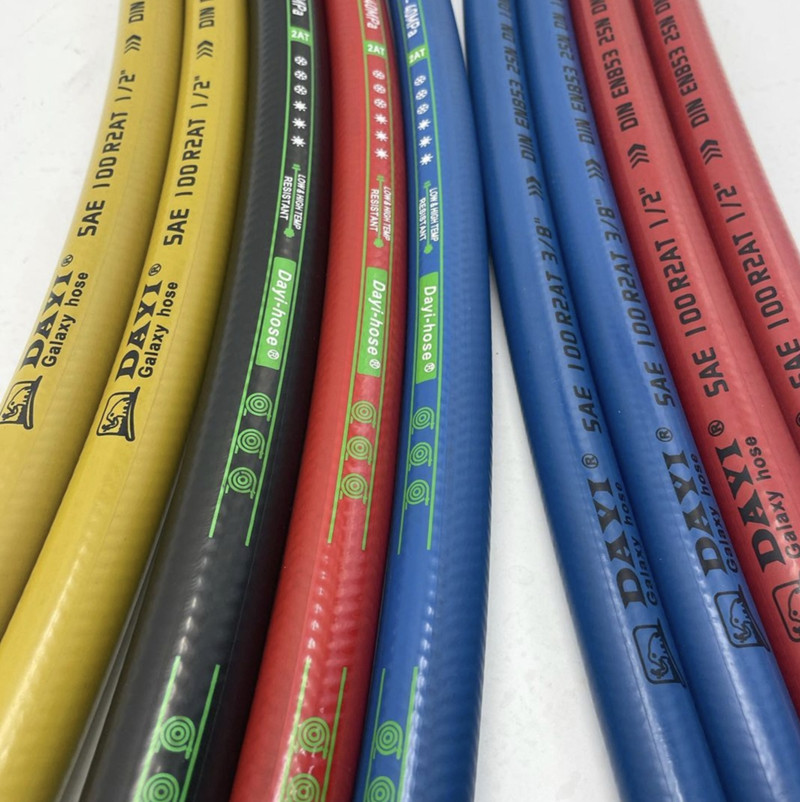
OEM suction and delivery hoses are critical components in fluid transfer systems across diverse industrial sectors, including agriculture, construction, mining, chemical processing, and wastewater management. These hoses are engineered to convey liquids and slurries under varying pressure and temperature conditions, often in demanding operational environments. The technical position of these hoses lies between the fluid source/destination and the pumping or conveyance equipment. Their core performance characteristics center on maintaining fluid integrity, preventing leaks, withstanding abrasion, and resisting chemical attack. Unlike generic hoses, OEM solutions are often custom-engineered to meet specific application requirements regarding diameter, length, material composition, and connection types. The selection of an appropriate hose directly impacts system efficiency, safety, and long-term operational costs. A primary industry pain point is premature hose failure leading to downtime and costly replacements, frequently attributable to incorrect material selection for the conveyed media or insufficient reinforcement for the operating pressure. Further challenges include ensuring compliance with evolving environmental regulations regarding material leaching and end-of-life disposal.
Material Science & Manufacturing
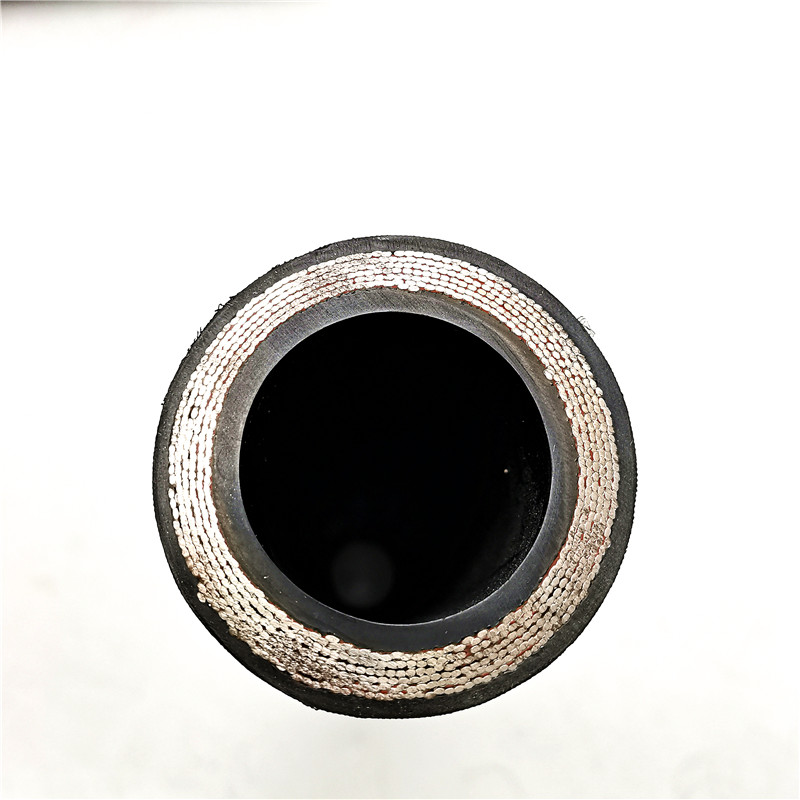
Suction and delivery hoses are typically constructed from a combination of polymeric materials and reinforcing layers. Common base materials include Natural Rubber (NR) for high flexibility and resilience, Styrene-Butadiene Rubber (SBR) offering good abrasion resistance at a lower cost, Ethylene Propylene Diene Monomer (EPDM) known for exceptional resistance to weathering, ozone, and a wide range of chemicals, Nitrile Rubber (NBR) ideal for oil and fuel applications, and Polyvinyl Chloride (PVC) providing affordability and chemical compatibility with certain media. Reinforcement layers are crucial for withstanding internal pressure and preventing hose collapse under vacuum conditions. These layers commonly consist of textile plies (polyester, nylon) offering flexibility and cost-effectiveness, or steel wire helices providing high pressure capacity and kink resistance. Manufacturing processes vary depending on hose type and material. Rubber hoses are often produced through extrusion, where the rubber compound is forced through a die to create a continuous tube. Textile reinforcement is applied simultaneously or in a separate winding process. PVC hoses are typically manufactured via extrusion or spiral winding. Critical parameters during extrusion include maintaining consistent temperature and pressure to ensure uniform wall thickness and material density. Vulcanization, a chemical process involving cross-linking polymer chains with sulfur or other curing agents, is essential for achieving the desired strength, elasticity, and chemical resistance in rubber hoses. Proper control of curing time and temperature is vital to prevent under-curing (leading to weakness) or over-curing (resulting in brittleness). Connection methods, such as flanging, threading, or coupling with quick-disconnect fittings, are also critical considerations, requiring precise dimensional control and secure bonding to the hose material.
Performance & Engineering
The performance of suction and delivery hoses is fundamentally governed by principles of fluid mechanics and material stress analysis. Burst pressure, typically tested hydrostatically, represents the maximum pressure the hose can withstand before rupture. Working pressure is significantly lower, incorporating a safety factor (commonly 4:1) to account for pressure surges and dynamic loading. Vacuum resistance, or collapse pressure, is a crucial parameter for suction applications, preventing hose implosion under negative pressure. Hose flexibility, measured by bend radius, influences ease of installation and maneuverability. Tensile strength and elongation at break quantify the hose’s ability to withstand pulling forces and deformation. Chemical resistance is assessed by immersing hose samples in various media and monitoring for swelling, cracking, or degradation. Environmental resistance encompasses UV exposure, ozone attack, and temperature extremes. Engineering considerations extend to fitting compatibility; mismatched fittings can create stress concentrations and lead to leaks or failures. Finite Element Analysis (FEA) is frequently employed to model hose behavior under different loading conditions, optimizing reinforcement design and material selection. Compliance requirements vary depending on the application and region. For example, hoses used in food and beverage processing must comply with FDA regulations regarding material leachability. Hoses used in hydraulic systems must meet SAE standards for pressure ratings and dimensional accuracy. Proper hose routing and support are also vital to prevent abrasion, kinking, and excessive bending stresses.
Technical Specifications
| Parameter | Unit | Typical Range (EPDM Rubber Hose) | Typical Range (PVC Hose) |
|---|---|---|---|
| Working Pressure | PSI | 50 – 200 | 100 – 150 |
| Burst Pressure | PSI | 200 – 800 | 400 – 600 |
| Temperature Range | °F | -40 to 250 | -20 to 150 |
| Vacuum Resistance | inHg | Up to 29.9 | Limited |
| Tensile Strength | PSI | 500 – 1200 | 300 – 800 |
| Elongation at Break | % | 200 – 500 | 100 – 300 |
Failure Mode & Maintenance
Common failure modes in suction and delivery hoses include abrasion, cracking, kinking, delamination, chemical degradation, and permeation. Abrasion is caused by the erosion of the hose’s inner layer due to the passage of abrasive particles within the fluid. Cracking arises from prolonged exposure to UV radiation, ozone, or extreme temperatures, leading to material embrittlement. Kinking occurs when the hose is bent beyond its minimum bend radius, restricting flow and potentially causing localized failure. Delamination is the separation of reinforcement layers from the hose body, compromising structural integrity. Chemical degradation results from the hose material reacting with the conveyed media, causing swelling, softening, or dissolution. Permeation involves the diffusion of fluids through the hose wall, leading to loss of fluid and potential environmental contamination. Preventative maintenance includes regular visual inspections for cracks, abrasions, and leaks; proper hose routing and support to avoid kinking and excessive bending; correct material selection for the conveyed media; and periodic pressure testing to identify weaknesses. If damage is detected, the hose should be replaced immediately. Avoid harsh chemicals and abrasive cleaners when cleaning the hose. Store hoses in a cool, dry place away from direct sunlight and ozone sources. For rubber hoses, applying a protective coating can extend their lifespan. Detailed records of hose installations, maintenance, and failures should be maintained to identify trends and improve future selections.
Industry FAQ
Q: What is the impact of conveying abrasive slurries on hose lifespan?
A: Conveying abrasive slurries significantly reduces hose lifespan, particularly for hoses with softer inner liners. The abrasive particles act like sandpaper, eroding the material over time. Solutions include using hoses specifically designed for abrasive slurries, featuring a highly abrasion-resistant liner (e.g., ceramic-reinforced rubber) and a larger hose diameter to reduce fluid velocity. Regular inspection and replacement are also crucial.
Q: How do I determine the correct working pressure for my application?
A: The working pressure should be based on the maximum system pressure, including pressure surges and dynamic loading. Add a safety factor of at least 4:1 to the maximum pressure. Ensure the hose’s working pressure rating exceeds this calculated value. Consider the temperature of the fluid, as temperature affects pressure ratings.
Q: What is the difference between a woven and spiral reinforced hose?
A: Woven reinforcement (typically textile plies) offers greater flexibility and is suitable for lower-pressure applications. Spiral reinforcement (typically steel wire) provides higher pressure capacity and kink resistance but is less flexible. The choice depends on the specific pressure, vacuum, and bend radius requirements.
Q: How important is chemical compatibility when selecting a hose?
A: Chemical compatibility is paramount. Incompatibility can lead to swelling, softening, cracking, or dissolution of the hose material, resulting in premature failure. Always consult a chemical resistance chart to verify compatibility between the hose material and the conveyed media. Consider not only the primary fluid but also any potential contaminants.
Q: What are the common causes of hose failure in suction applications?
A: Common causes of suction hose failure include collapse due to insufficient vacuum resistance, cracking due to cyclic stress, and degradation due to chemical attack. Using a hose specifically designed for suction service (featuring a smooth inner bore and reinforced construction) and avoiding sharp bends are critical for preventing failure.
Conclusion
The selection and maintenance of OEM suction and delivery hoses are integral to the reliable and efficient operation of any fluid transfer system. Understanding the interplay between material science, manufacturing processes, and engineering principles is paramount for mitigating failure risks and maximizing hose lifespan. Careful consideration of application-specific requirements, including pressure, temperature, chemical compatibility, and abrasion resistance, is essential for choosing the optimal hose construction.
Proactive maintenance practices, such as regular inspections and adherence to manufacturer’s recommendations, further contribute to long-term performance and cost savings. By prioritizing these technical aspects, industries can minimize downtime, enhance safety, and ensure regulatory compliance.