
Apr . 01, 2024 17:55 Back to list
oem suction and delivery hose manufacturers Performance Engineering
Introduction
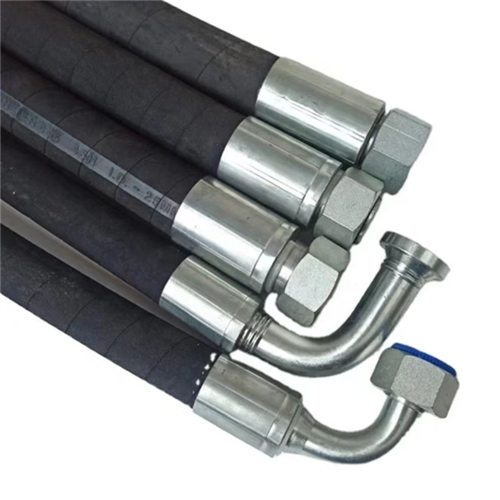
OEM suction and delivery hoses are critical components in fluid transfer systems across diverse industries, including agriculture, construction, mining, chemical processing, and oil & gas. These hoses are engineered to convey liquids, slurries, and even gaseous materials under varying pressure and temperature conditions. Their technical position within the supply chain is vital, bridging the gap between fluid handling equipment – such as pumps, tanks, and nozzles – and the materials being transferred. The core performance characteristics defining these hoses are determined by their construction materials, reinforcement layers, and the ability to withstand chemical attack, abrasion, and pressure fluctuations without failure. A key industry pain point centers around achieving a balance between flexibility, durability, and chemical compatibility, particularly when handling aggressive media. Another significant challenge is maintaining consistent quality in high-volume OEM production runs, and complying with increasingly stringent safety and environmental regulations.
Material Science & Manufacturing
The selection of materials significantly dictates the performance and lifespan of suction and delivery hoses. Common base materials include synthetic rubbers like EPDM, NBR (Nitrile), SBR (Styrene-Butadiene Rubber), and Chloroprene (Neoprene), as well as thermoplastic materials like PVC, TPU (Thermoplastic Polyurethane), and PE (Polyethylene). EPDM exhibits excellent resistance to weathering, ozone, and heat, making it ideal for water and coolant transfer. NBR provides superior oil resistance, suited for petroleum-based fluids. The choice hinges on the specific chemical compatibility requirements of the conveyed medium. Reinforcement layers, typically woven textiles (polyester, nylon) or steel wire helices, provide tensile strength and pressure resistance. Manufacturing processes vary based on hose type. Rubber hoses are commonly produced via extrusion followed by curing (vulcanization). The curing process, involving sulfur or peroxide crosslinking, is a critical parameter. Temperature, pressure, and curing time directly influence the rubber’s final mechanical properties, including tensile strength, elongation at break, and hardness. For thermoplastic hoses, injection molding, blow molding, and extrusion are prevalent. Precise temperature control during extrusion is essential to avoid degradation and maintain dimensional accuracy. Post-processing steps like skiving and flanging are used to attach fittings. Chemical compatibility testing (immersion testing) of raw materials and finished hoses is essential to validate resistance to the intended media. Batch consistency relies on tight control of material ratios, mixing parameters, and process temperatures.
Performance & Engineering
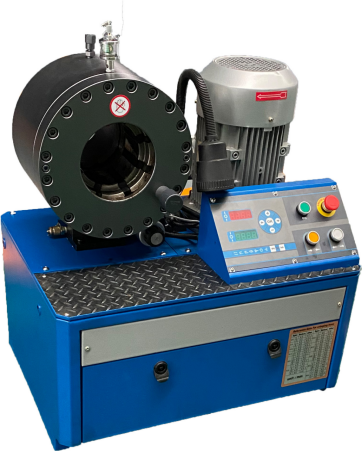
Performance analysis of suction and delivery hoses centers around several key engineering considerations. Burst pressure testing, conducted according to standards like ISO 3864, determines the hose’s maximum operating pressure with a safety factor. Suction performance is evaluated by measuring the hose’s ability to resist collapse under vacuum conditions. This is particularly critical in applications involving self-priming pumps. The hose’s flexibility (bend radius) impacts its ease of installation and maneuverability. Force analysis, utilizing finite element modeling (FEM), can predict stress distribution within the hose wall under pressure and bending loads, aiding in optimizing reinforcement layer design. Environmental resistance is crucial; factors like UV exposure, temperature extremes, and chemical exposure can lead to degradation. Accelerated aging tests, exposing hoses to controlled environmental conditions, assess long-term durability. Compliance requirements vary by region and application. For food-grade applications, hoses must comply with FDA regulations (21 CFR 177) and EU regulations (Regulation (EC) No 1935/2004). For potable water systems, NSF/ANSI 61 certification is often required. Static electricity dissipation is important in flammable environments, necessitating the use of conductive materials or antistatic coatings. Abrasion resistance is assessed through Taber abrasion testing, measuring the hose’s resistance to wear from solid particles in the conveyed fluid. Proper hose assembly, including correct fitting selection and crimping procedures, is critical for ensuring leak-free and reliable operation.
Technical Specifications
| Parameter | Unit | Typical Value (EPDM Rubber Hose) | Typical Value (PVC Hose) |
|---|---|---|---|
| Working Pressure | PSI | 150 | 100 |
| Burst Pressure | PSI | 450 | 300 |
| Temperature Range | °F | -40 to 250 | -20 to 150 |
| Inner Diameter | Inch | 1.0 – 6.0 | 0.5 – 4.0 |
| Outer Diameter | Inch | 1.25 – 7.0 | 0.75 – 4.5 |
| Tensile Strength | PSI | 800 – 1200 | 500 – 800 |
Failure Mode & Maintenance
Suction and delivery hoses are susceptible to several failure modes. Fatigue cracking, resulting from repeated pressure cycles and bending, is a common issue, particularly near fittings. Delamination of reinforcement layers can occur due to inadequate bonding or chemical attack. Rubber degradation, caused by ozone, UV exposure, and chemical incompatibility, leads to hardening, cracking, and loss of flexibility. Oxidation of rubber compounds results in surface deterioration and reduced mechanical properties. Abrasion wear occurs from the impact of solid particles in the conveyed fluid. Fitting failures, such as leaks or separation, can result from improper crimping or material corrosion. Maintenance practices are crucial for extending hose lifespan. Regular visual inspections should identify cracks, bulges, or signs of degradation. Pressure testing can detect leaks. After use, hoses should be thoroughly drained and flushed to remove residual fluids. Proper storage, away from direct sunlight, ozone sources, and extreme temperatures, is essential. Avoid sharp bends and kinking during handling. Hose replacement schedules should be based on operating conditions, media compatibility, and inspection findings. Failure analysis, involving microscopic examination of fractured surfaces, can determine the root cause of failure and inform future design improvements.
Industry FAQ
Q: What is the impact of chemical concentration on hose lifespan?
A: Higher chemical concentrations typically accelerate degradation rates. Even materials deemed “chemically compatible” experience reduced lifespans with increased concentration. It’s crucial to consult chemical resistance charts specific to the hose material and the conveyed medium. Consider using a more resistant hose material or implementing a more frequent inspection and replacement schedule when handling highly concentrated chemicals.
Q: How do steel wire reinforcement helices affect hose flexibility?
A: While steel wire provides significant pressure resistance, it generally reduces hose flexibility compared to textile reinforcement. The pitch (spacing) of the helix and the wire diameter influence flexibility; a tighter pitch and smaller diameter offer greater flexibility but lower pressure capacity. Alternative reinforcement configurations, such as spiral-wound textiles or multiple reinforcement layers, can balance flexibility and pressure resistance.
Q: What are the key considerations for selecting a hose for abrasive slurries?
A: For abrasive slurries, prioritize abrasion resistance. Use a hose with a thick, wear-resistant liner material (e.g., highly abrasion-resistant polyurethane). Reduce flow velocity to minimize abrasive wear. Consider a hose with a smooth inner surface to reduce friction and particle buildup. Regularly inspect the hose for wear and replace it proactively.
Q: What are the advantages of using thermoplastic hoses over rubber hoses in certain applications?
A: Thermoplastic hoses often offer superior chemical resistance to a broader range of chemicals compared to rubber. They are typically lighter in weight and may be more cost-effective. They also exhibit lower permeability, reducing the risk of fluid loss. However, they generally have lower temperature resistance and flexibility than rubber hoses.
Q: What is the proper procedure for crimping hose fittings?
A: Proper crimping is critical for leak-free performance. Use a crimping machine calibrated for the specific hose and fitting size. Follow the fitting manufacturer’s crimp specifications precisely. Ensure the crimp is uniform and does not damage the hose reinforcement. Regularly inspect the crimping machine for proper operation and calibration.
Conclusion
OEM suction and delivery hoses represent a crucial link in numerous industrial processes. Their reliable performance is dependent on a complex interplay of material science, manufacturing precision, and rigorous engineering analysis. Selecting the appropriate hose material, reinforcement structure, and manufacturing process for a given application necessitates a thorough understanding of the conveyed media, operating conditions, and applicable regulatory requirements. Addressing industry pain points like chemical compatibility, durability, and quality control requires continuous innovation in materials, manufacturing techniques, and quality assurance protocols.
Future advancements in hose technology will likely focus on the development of more sustainable materials, smart hoses equipped with sensors for real-time monitoring of pressure, temperature, and flow rate, and enhanced manufacturing processes to improve efficiency and reduce waste. Proactive maintenance, coupled with comprehensive failure analysis, remains paramount to maximizing hose lifespan, minimizing downtime, and ensuring safe and reliable fluid transfer operations.