
Apr . 01, 2024 17:55 Back to list
oem suction and delivery hose manufacturer Performance Analysis
Introduction
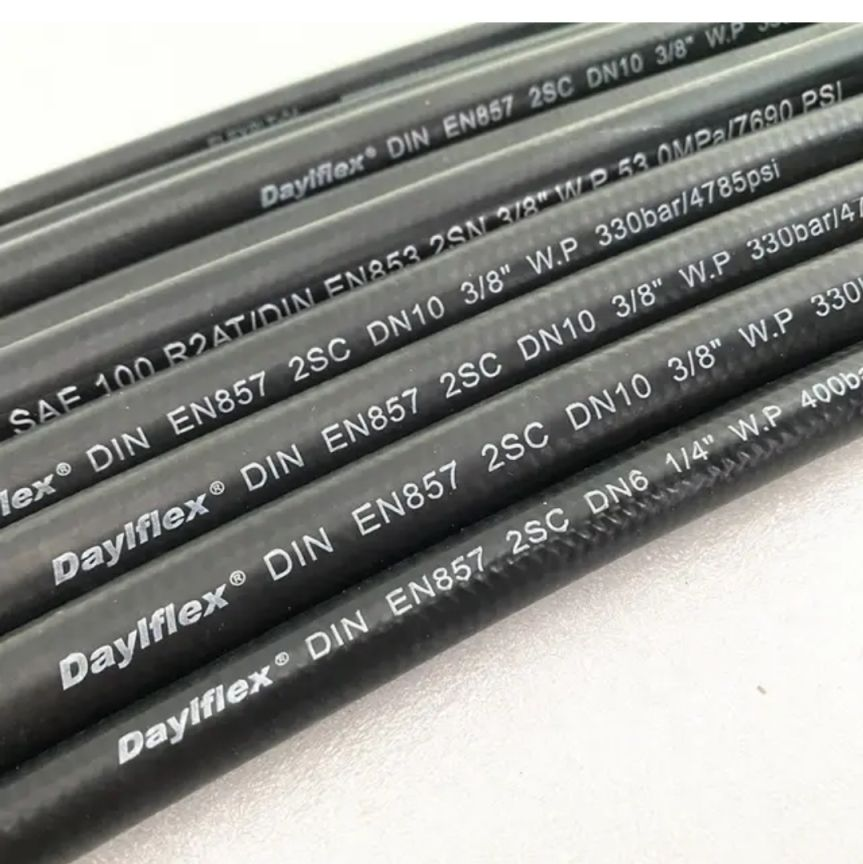
OEM suction and delivery hoses are critical components in fluid transfer systems across a diverse range of industrial applications. Positioned within the supply chain as intermediary products, these hoses are custom-engineered to meet the specific performance parameters dictated by end-use equipment manufacturers. Unlike standardized hoses, OEM variants prioritize integration, optimizing for pressure, temperature, chemical compatibility, and physical space constraints inherent to the target machinery. Core performance characteristics are defined by burst pressure, vacuum rating, flexibility, abrasion resistance, and the ability to convey a wide array of fluids, from aqueous solutions to aggressive chemicals and abrasive slurries. The selection process centers on understanding the application's dynamic demands and material compatibility requirements, a crucial aspect for maintaining system integrity and preventing catastrophic failures. The increasing demand for customized solutions and stringent regulatory compliance drives the necessity for specialized OEM hose manufacturing capabilities.
Material Science & Manufacturing
The construction of OEM suction and delivery hoses involves a complex interplay of material science and manufacturing processes. Core materials typically include synthetic rubbers such as EPDM, Nitrile (NBR), Chloroprene (CR), and Fluorocarbon (FKM), selected based on fluid compatibility and temperature requirements. Reinforcement layers, crucial for withstanding internal pressure and vacuum forces, commonly utilize textile plies (polyester, nylon) or spiral-wound steel wire. Cover materials, providing abrasion and weather resistance, frequently employ PVC, PU, or specialized rubber compounds.
Manufacturing processes vary based on hose type and complexity. Extrusion is foundational, creating the inner tube and outer cover. This process demands precise control of temperature, screw speed, and die geometry to ensure consistent wall thickness and material properties. Reinforcement layers are applied through calendaring (for textile plies) or helical winding (for steel wire). Subsequent vulcanization, a critical curing process, cross-links the rubber polymers, imparting elasticity, strength, and chemical resistance. Precise temperature and time control during vulcanization are vital to achieve optimal material properties. Post-extrusion processes include skiving (to create angled ends for fitting attachment), cutting to length, and rigorous quality control inspections, including burst pressure testing, dimensional analysis, and visual inspection for defects. Automated coiling and packaging complete the manufacturing cycle. Parameter control during extrusion, reinforcement application, and vulcanization directly influences the hose’s lifespan and operational reliability. Material selection considers factors beyond compatibility; aging resistance, ozone exposure, and UV degradation are paramount concerns.
Performance & Engineering
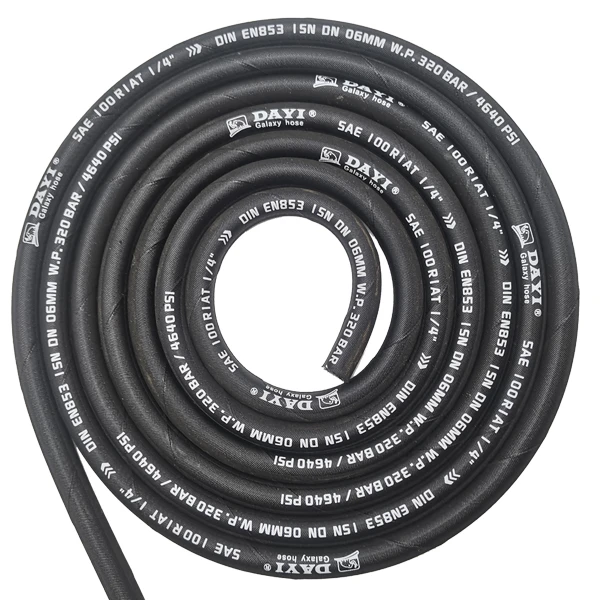
The performance of OEM suction and delivery hoses is governed by a complex interplay of mechanical stresses, environmental factors, and fluid dynamics. Force analysis involves assessing hoop stress (resulting from internal pressure), longitudinal stress (due to vacuum or flow restrictions), and bending stress (induced by hose routing). Fatigue analysis is crucial, particularly in applications with pulsating flows, predicting hose lifespan under cyclic loading. Environmental resistance is paramount, considering temperature extremes, UV exposure, ozone degradation, and chemical attack. Selection of appropriate rubber compounds is dictated by fluid compatibility; incompatible materials can lead to swelling, cracking, and premature failure.
Compliance requirements are often stringent, governed by industry standards (see footer) and customer-specific specifications. Hoses intended for food-grade applications must meet FDA and/or EU regulations regarding material leachability. Hoses used in hydraulic systems must adhere to SAE J517 standards, defining pressure ratings and performance characteristics. Electrostatic dissipative (ESD) hoses are required in applications handling flammable fluids to prevent static discharge. Functional implementation details, such as fitting compatibility and hose routing, directly impact performance; improper routing can induce excessive bending stress and reduce hose lifespan. Proper hose guard protection is critical in abrasive environments. Finite element analysis (FEA) is increasingly utilized to optimize hose designs and predict performance under various operating conditions, ensuring structural integrity and maximizing service life.
Technical Specifications
| Parameter | Unit | EPDM Hose (Typical) | Nitrile Hose (Typical) |
|---|---|---|---|
| Working Pressure | PSI | 150 | 200 |
| Burst Pressure | PSI | 450 | 600 |
| Vacuum Rating | in Hg | 29.9 | 29.9 |
| Temperature Range | °F | -40 to 212 | -40 to 250 |
| Tensile Strength | PSI | 800 | 1200 |
| Elongation at Break | % | 400 | 300 |
Failure Mode & Maintenance
OEM suction and delivery hoses are susceptible to several failure modes. Fatigue cracking, induced by repeated pressure cycling and bending, is a common issue, particularly in applications involving pulsating flows. Delamination, the separation of reinforcement layers, occurs when bonding between layers is compromised due to improper vulcanization or chemical attack. Degradation, encompassing cracking, hardening, and swelling, results from exposure to incompatible fluids, ozone, UV radiation, or extreme temperatures. Oxidation, a chemical process involving reaction with oxygen, leads to material embrittlement and reduced flexibility. Abrasion, caused by contact with abrasive materials, progressively wears away the cover layer, exposing reinforcement and increasing the risk of catastrophic failure.
Preventative maintenance is crucial. Regular visual inspections should identify cracks, bulges, abrasions, and signs of chemical degradation. Pressure testing, performed periodically, verifies hose integrity. Proper storage, shielded from UV light and extreme temperatures, extends hose lifespan. Avoid sharp bends and excessive tension during installation and operation. Implement a hose replacement schedule based on application severity and historical failure data. For hoses conveying abrasive slurries, consider using abrasion-resistant liners or guards. In case of a suspected leak or damage, immediately isolate the system and replace the hose. Document all maintenance activities and track failure rates to identify recurring issues and optimize hose selection and maintenance procedures.
Industry FAQ
Q: What factors are most critical when specifying an OEM hose for a hydraulic system?
A: The primary considerations are working pressure, burst pressure, fluid compatibility, and temperature range. SAE J517 compliance is typically required. Reinforcement type (wire braid vs. spiral) influences flexibility and pressure capacity. Fitting compatibility is also essential; ensure the hose end fittings match the system connections and pressure requirements.
Q: How does temperature affect hose performance and lifespan?
A: Extreme temperatures, both high and low, can significantly impact hose performance. High temperatures accelerate degradation and reduce tensile strength. Low temperatures decrease flexibility and increase the risk of cracking. Selecting a rubber compound with an appropriate temperature range is crucial. Continuous exposure to temperatures near the upper or lower limits will shorten hose lifespan.
Q: What are the key differences between EPDM and Nitrile hose materials?
A: EPDM offers excellent resistance to weather, ozone, and water, making it ideal for outdoor applications and water-based fluids. Nitrile provides superior resistance to oils, fuels, and hydraulic fluids. EPDM generally has a wider temperature range, while Nitrile exhibits higher tensile strength.
Q: How can I prevent hose failure due to abrasion?
A: Utilize abrasion-resistant cover materials, such as polyurethane (PU). Install hose guards or sleeves in areas prone to abrasion. Ensure proper hose routing to minimize contact with abrasive surfaces. Regularly inspect the hose for wear and replace it before it becomes critically damaged.
Q: What is the importance of proper hose assembly and fitting attachment?
A: Improper assembly can create stress points and significantly reduce hose lifespan. Ensure fittings are correctly crimped or swaged to create a secure, leak-proof connection. Use properly sized fittings to avoid over- or under-tightening. Follow the fitting manufacturer’s instructions carefully. Incorrect assembly can lead to premature failure, even if the hose material is suitable.
Conclusion
The selection and implementation of OEM suction and delivery hoses demand a thorough understanding of material science, manufacturing processes, and application-specific requirements. Optimizing hose performance necessitates careful consideration of pressure, temperature, fluid compatibility, and environmental factors. By adhering to industry standards, implementing robust preventative maintenance programs, and conducting thorough failure analysis, manufacturers can minimize downtime, enhance system reliability, and extend hose service life.
The continued evolution of rubber technology and manufacturing techniques promises even more durable, high-performance OEM hose solutions in the future. Focusing on advanced materials, smart monitoring systems, and predictive maintenance strategies will further optimize hose performance and minimize life-cycle costs. Collaboration between hose manufacturers, equipment OEMs, and end-users is essential for driving innovation and addressing the evolving challenges of fluid transfer systems.