
Apr . 01, 2024 17:55 Back to list
oem suction and delivery hose factory Performance Analysis
Introduction
OEM suction and delivery hoses are critical components in fluid transfer systems across diverse industries, including agriculture, construction, mining, and chemical processing. These hoses are engineered to reliably convey liquids, slurries, and sometimes even gases, under a range of pressure and temperature conditions. Their role extends beyond simple conveyance; they are integral to process efficiency, safety, and minimizing downtime. This guide provides an in-depth technical overview of these hoses, covering material science, manufacturing processes, performance characteristics, failure modes, and relevant industry standards. The selection of an appropriate hose necessitates a thorough understanding of the conveyed media, operating pressures, temperature ranges, and regulatory compliance requirements. Failure to properly specify a hose can lead to catastrophic system failure, environmental hazards, and significant economic losses. The core performance characteristics – flexibility, abrasion resistance, chemical compatibility, and burst pressure – are paramount in ensuring long-term reliability and operational integrity.
Material Science & Manufacturing
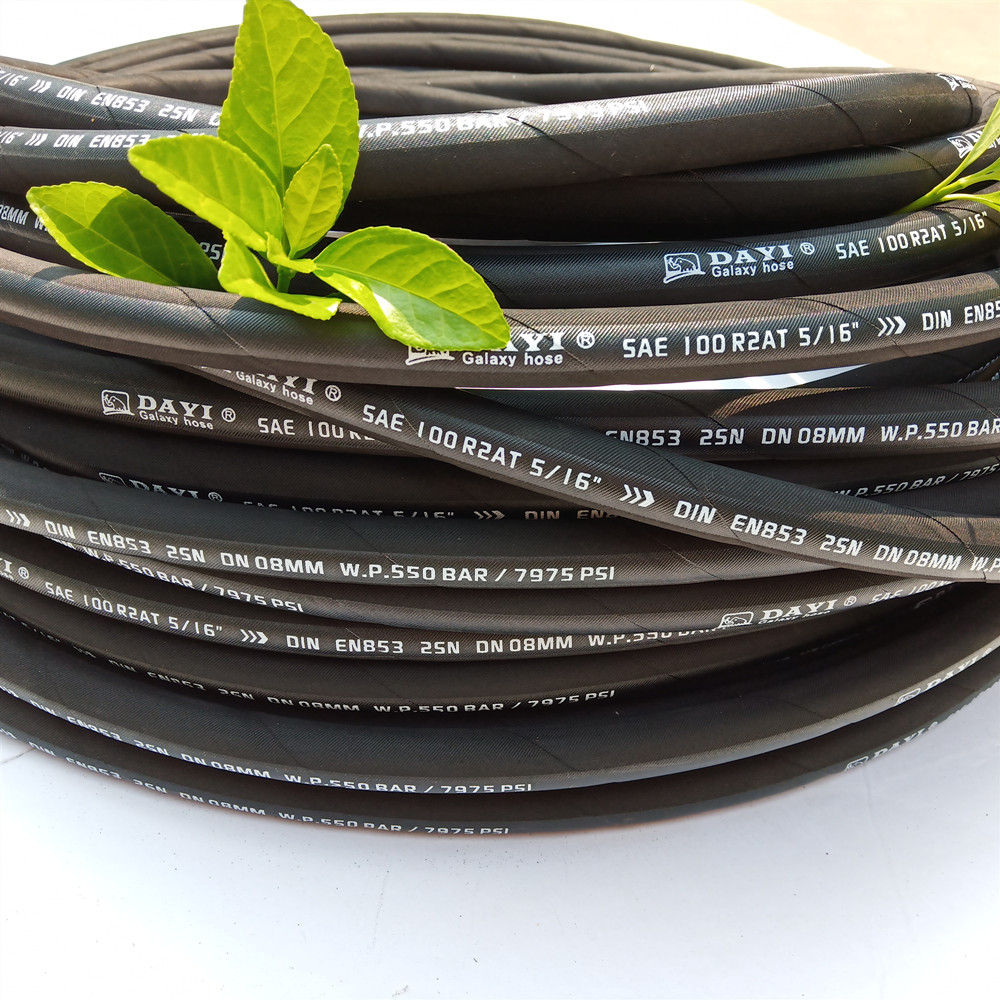
Suction and delivery hoses are typically constructed from a combination of materials chosen for their specific properties. Common base materials include natural rubber (NR), synthetic rubbers such as styrene-butadiene rubber (SBR), nitrile rubber (NBR), ethylene propylene diene monomer (EPDM), and thermoplastic elastomers (TPEs). The selection is driven by the chemical composition of the conveyed media. For example, NBR offers excellent resistance to oils and fuels, while EPDM provides superior resistance to weathering and ozone. Reinforcement layers, often comprised of textile plies (typically polyester or nylon) or steel wire helices, provide structural integrity and resistance to pressure. The manufacturing process generally involves extrusion, layering, and vulcanization (for rubber-based hoses). Extrusion forms the inner tube, cover, and any intermediate layers. Layering involves the application of reinforcement materials. Vulcanization, a chemical process involving sulfur or peroxide crosslinking, imparts the final desired physical properties such as tensile strength, elongation, and hardness. Critical parameters during manufacturing include precise temperature control during vulcanization to ensure optimal crosslink density, consistent reinforcement layer winding to prevent localized weaknesses, and rigorous quality control checks for dimensional accuracy and material uniformity. The Shore hardness, measured using a durometer, is a crucial quality control parameter, dictating the hose’s flexibility and resistance to abrasion. Additionally, the elongation at break, determined through tensile testing, indicates the hose’s ability to withstand stretching without failure.
Performance & Engineering
The performance of suction and delivery hoses is governed by several key engineering principles. Burst pressure, a critical safety parameter, is determined by the reinforcement layer’s strength and the material’s tensile properties. It is typically tested using hydrostatic pressure until failure. Vacuum pressure ratings, vital for suction hoses, are limited by the hose's ability to resist collapse. This is heavily influenced by the wall thickness and reinforcement structure. Flexibility, quantified by the bend radius, is essential for ease of installation and operation, and is dictated by the material’s modulus of elasticity. Chemical compatibility is paramount; prolonged exposure to incompatible fluids can cause swelling, degradation, and ultimately, failure. Temperature resistance is another critical factor, as extremes can alter the material’s properties, reducing its strength and flexibility. The hose’s resistance to abrasion, particularly in applications involving abrasive slurries, is determined by the cover material’s hardness and wear resistance. Force analysis considers the internal pressure, external loads, and bending stresses acting on the hose. Compliance requirements, dictated by regulations such as REACH and RoHS, mandate the absence of certain hazardous substances in the hose’s composition. The design must account for potential static electricity buildup in certain applications, incorporating conductive materials to prevent ignition hazards.
Technical Specifications
| Parameter | Unit | NBR Hose (Oil/Fuel) | EPDM Hose (Water/Chemical) |
|---|---|---|---|
| Working Pressure | PSI | 200 | 150 |
| Burst Pressure | PSI | 600 | 450 |
| Temperature Range | °F | -40 to 212 | -58 to 284 |
| Inner Diameter | Inch | 0.5 - 4 | 0.5 - 6 |
| Outer Diameter | Inch | 0.75 - 4.5 | 0.88 - 6.5 |
| Reinforcement | - | Polyester Braid | Spiral Steel Wire |
Failure Mode & Maintenance
Suction and delivery hoses are susceptible to various failure modes. Fatigue cracking, caused by repeated flexing and pressure cycles, is a common issue, particularly in applications with high dynamic loads. Delamination, the separation of layers within the hose wall, can occur due to inadequate bonding during manufacturing or exposure to aggressive chemicals. Degradation, resulting from chemical attack or UV exposure, weakens the material and reduces its flexibility. Oxidation, a chemical reaction with oxygen, can cause hardening and cracking, especially in natural rubber compounds. Abrasion, from contact with abrasive materials, wears away the cover, exposing the reinforcement layers. Pinholes, small punctures caused by foreign objects, can lead to leaks. To mitigate these failures, regular inspection is crucial. This should include visual checks for cracks, blisters, and abrasions, as well as pressure testing to identify leaks. Hoses should be stored in a cool, dry place, away from direct sunlight and ozone sources. Avoid sharp bends and kinks during installation and operation. When handling corrosive fluids, ensure the hose material is chemically compatible. Regularly clean the hose exterior to remove contaminants. Following the manufacturer’s recommendations for service life and replacement intervals is essential for maintaining system reliability and safety. Proper hose clamping and support is also essential to prevent stress concentration and premature failure.
Industry FAQ
Q: What is the primary difference between a suction hose and a delivery hose, and can one be used interchangeably?
A: Suction hoses are designed to withstand vacuum pressure and prevent collapse, typically incorporating a rigid helix reinforcement. Delivery hoses are designed to withstand positive pressure. While a delivery hose may function briefly as a suction hose, it will likely collapse under vacuum. Using a delivery hose for suction is generally unsafe and can lead to system failure. Conversely, a suction hose can often be used for delivery, provided the pressure rating is adequate.
Q: How does temperature affect the performance and lifespan of a rubber hose?
A: Elevated temperatures can accelerate degradation and reduce the tensile strength and elasticity of rubber compounds. Exposure to extreme cold can cause the hose to become brittle and susceptible to cracking. Operating outside the specified temperature range significantly reduces the hose’s lifespan and increases the risk of failure. The specific impact depends on the rubber compound used.
Q: What are the key considerations when selecting a hose for handling abrasive slurries?
A: Abrasion resistance is paramount. Choose a hose with a high-hardness, abrasion-resistant cover material, such as polyurethane or a specialized rubber compound. Consider the particle size and velocity of the slurry. Reinforcement layers should be robust enough to withstand the impact of abrasive particles. Regular inspection for wear is critical.
Q: How does chemical compatibility impact hose selection, and how can I verify it?
A: Chemical incompatibility can lead to swelling, degradation, and permeation, compromising the hose’s integrity. Always consult a chemical compatibility chart provided by the hose manufacturer. These charts indicate the suitability of different hose materials for various chemicals. Consider both the concentration and temperature of the fluid.
Q: What safety precautions should be taken when installing and operating high-pressure hoses?
A: Ensure the hose’s working pressure rating exceeds the maximum system pressure. Use properly sized and rated fittings. Avoid sharp bends and kinks. Secure the hose adequately to prevent whipping in the event of a rupture. Install pressure relief devices to prevent over-pressurization. Regularly inspect for leaks and damage. Follow all applicable safety regulations.
Conclusion
The selection and maintenance of OEM suction and delivery hoses are crucial for ensuring the reliable and safe operation of fluid transfer systems. A comprehensive understanding of material science, manufacturing processes, performance characteristics, and potential failure modes is essential for making informed decisions. Proper hose selection, based on the specific application requirements and conveyed media, minimizes the risk of catastrophic failure and maximizes service life. Regularly scheduled inspections and preventative maintenance are vital for identifying and addressing potential issues before they escalate.
Future advancements in hose technology will likely focus on developing more durable, chemically resistant, and lightweight materials. Smart hoses, incorporating sensors for pressure, temperature, and leak detection, may become increasingly prevalent, providing real-time monitoring and predictive maintenance capabilities. Adherence to relevant industry standards and regulations remains paramount, ensuring both operational safety and environmental protection.