
Apr . 01, 2024 17:55 Back to list
oem steel braided teflon hose suppliers Performance Analysis
Introduction
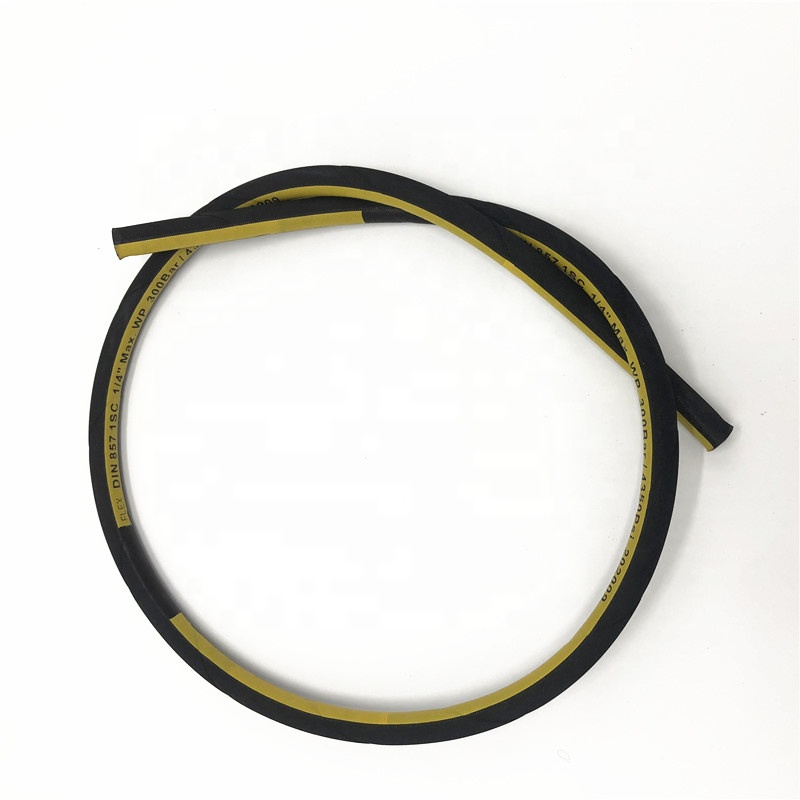
OEM steel braided Teflon hose represents a critical component in fluid transfer systems across diverse industrial applications. These hoses are engineered to combine the chemical inertness of Teflon (PTFE) with the high-pressure capability and mechanical protection offered by a stainless steel braid. Positioned within the industrial chain as a specialized sub-assembly, they are integral to sectors including automotive, aerospace, chemical processing, oil and gas, and medical equipment. Core performance characteristics revolve around maintaining fluid integrity under extreme temperatures, pressures, and corrosive environments, while ensuring flexibility and durability. A significant pain point in sourcing these hoses lies in consistently achieving required burst pressures, maintaining dimensional accuracy over production runs, and verifying the quality of the braid-to-fitting crimp, all impacting system reliability and potentially causing costly downtime or safety hazards. The demand for customized lengths, fitting configurations, and material certifications further complicates the supply chain.
Material Science & Manufacturing
The core material selection dictates the hose’s performance envelope. The inner tube is typically constructed from PTFE, a fluoropolymer renowned for its exceptional chemical resistance, low coefficient of friction, and wide temperature operating range (-200°C to +260°C). PTFE’s inherent properties stem from the strong carbon-fluorine bonds, rendering it impervious to most chemicals. However, PTFE is relatively difficult to process due to its high melt viscosity. Manufacturing the inner tube typically involves extrusion, utilizing specialized ram or screw extruders designed for fluoropolymers. Precise temperature control during extrusion is vital to prevent thermal degradation and maintain dimensional tolerances. The reinforcing braid is almost exclusively 304 or 316 stainless steel, providing burst strength and preventing kinking or collapse under pressure. The steel undergoes a drawing process to achieve the desired wire diameter and tensile strength. The braiding process itself employs specialized machines that interweave the wires in a specific pattern (typically 1x1 or 2x2) to maximize coverage and load distribution. The final assembly involves bonding the PTFE liner to the stainless steel braid, often using a proprietary adhesive formulation. Parameter control during bonding is crucial to ensure a robust, leak-proof interface. Critical parameters include adhesive viscosity, application temperature, and curing time. Post-bonding quality control includes pressure testing, dimensional inspection, and adhesion strength verification.
Performance & Engineering
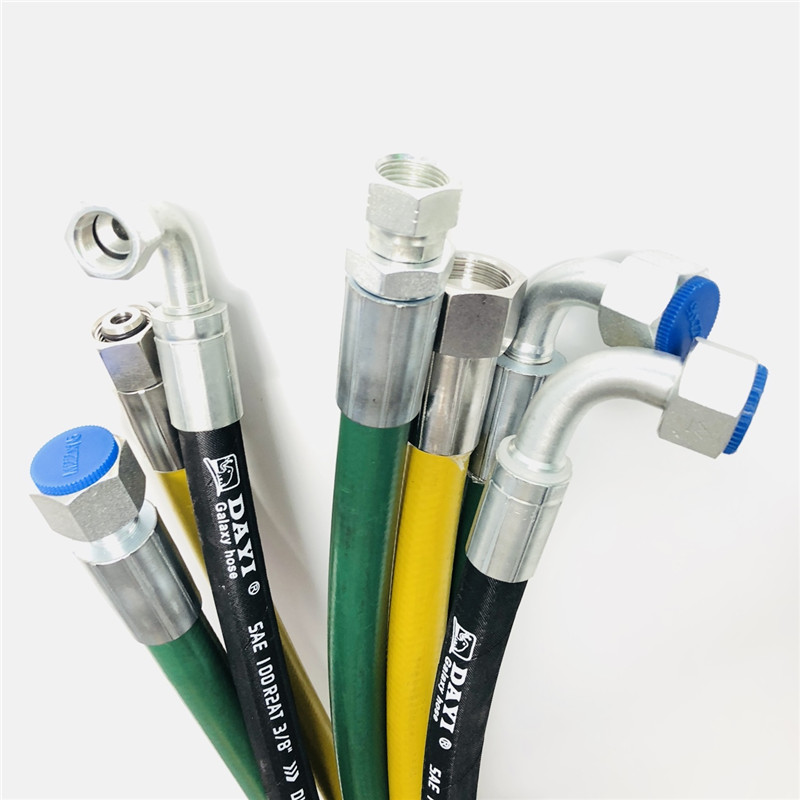
Performance analysis of steel braided Teflon hoses centers on burst pressure, pressure drop, flex fatigue life, and chemical compatibility. Burst pressure is dictated by the braid density, material grade, and crimp quality. Force analysis involves calculating hoop stress in the PTFE liner under pressure, tensile stress in the steel braid, and shear stress at the braid-liner interface. Finite Element Analysis (FEA) is often employed to simulate stress distribution under various loading conditions. Environmental resistance considerations include UV exposure, ozone degradation (albeit minimal with PTFE), and fluid permeation. PTFE exhibits excellent resistance to most fluids, but prolonged exposure to certain solvents (e.g., ethers, ketones) can cause swelling. Flex fatigue life is a critical factor in applications involving repeated bending or vibration. The hose’s ability to withstand cyclic loading without cracking or failure is assessed through standardized flex fatigue testing. Compliance requirements vary by industry. For example, automotive applications require adherence to SAE J30R9 standards for fuel and coolant hoses, while aerospace applications demand compliance with AS9100 quality management systems and specific material certifications. The hose's end fitting connection is a significant engineering consideration. Crimp fittings, utilizing stainless steel sleeves, are prevalent. Proper crimp pressure is essential to ensure a leak-proof seal and prevent fitting slippage. Improper crimping can lead to premature failure.
Technical Specifications
| Parameter | Unit | Typical Value (3/8" ID Hose) | Testing Standard |
|---|---|---|---|
| Inner Diameter | mm | 9.5 | ISO 1307 |
| Outer Diameter | mm | 16.5 | ISO 1307 |
| Working Pressure | MPa | 20.7 | SAE J517 |
| Burst Pressure | MPa | 82.7 | SAE J517 |
| Temperature Range | °C | -60 to +260 | ASTM D348 |
| Braid Material | - | 304 Stainless Steel | ASTM A975 |
| Fluid Compatibility | - | Most Chemicals, Fuels, Oils | ASTM D1785 |
Failure Mode & Maintenance
Common failure modes in steel braided Teflon hoses include braid corrosion, PTFE degradation, fitting failure, and permeation. Braid corrosion, particularly in chloride-rich environments, can lead to a reduction in burst strength and eventual hose rupture. PTFE degradation, while rare, can occur with prolonged exposure to high temperatures or specific chemicals, manifesting as cracking or embrittlement. Fitting failure typically stems from improper crimping or material incompatibility, resulting in leaks or separation. Permeation, the diffusion of fluids through the PTFE liner, can occur with certain gases or low molecular weight liquids, potentially leading to environmental contamination or loss of system pressure. Fatigue cracking can also occur at the bend radius, particularly with frequent flexing. Maintenance recommendations include regular visual inspection for signs of corrosion, cracks, or abrasion. Pressure testing should be performed periodically to verify hose integrity. Avoid over-bending the hose, as this can accelerate fatigue cracking. If corrosion is detected, the hose should be replaced immediately. Compatibility charts should be consulted to ensure the hose is suitable for the intended fluid. Crimped fittings should be inspected for tightness and integrity. Storage should be in a cool, dry place, away from direct sunlight and corrosive substances.
Industry FAQ
Q: What is the impact of braid construction (1x1 vs. 2x2) on hose performance?
A: A 2x2 braid generally provides higher burst pressure and improved kink resistance compared to a 1x1 braid, due to the increased braid density and coverage. However, a 2x2 braid is typically more expensive and less flexible. The optimal braid construction depends on the specific application requirements.
Q: How does temperature affect the working pressure rating of a Teflon hose?
A: Working pressure ratings are typically specified at a standard temperature (e.g., 23°C). As temperature increases, the PTFE liner’s strength decreases, leading to a reduction in the allowable working pressure. Derating factors are often provided by manufacturers to adjust the working pressure based on operating temperature.
Q: What certifications should I look for when sourcing steel braided Teflon hoses?
A: Key certifications include ISO 9001 (quality management system), RoHS (restriction of hazardous substances), and REACH (registration, evaluation, authorization, and restriction of chemicals). For specific industries, such as automotive or aerospace, adherence to relevant standards (e.g., SAE J30R9, AS9100) is critical.
Q: What is the significance of the fitting material in relation to the hose?
A: Fitting material must be compatible with both the hose and the fluid being conveyed. Stainless steel fittings are generally recommended for optimal corrosion resistance. Avoid using dissimilar metals, as this can lead to galvanic corrosion and premature failure. Proper crimping technique is vital to create a reliable, leak-proof seal.
Q: How do I determine the appropriate hose size for my application?
A: Consider the required flow rate, fluid viscosity, and operating pressure. The inner diameter should be sized to minimize pressure drop while maintaining adequate flow velocity. The outer diameter should be compatible with the available space and fitting configurations.
Conclusion
OEM steel braided Teflon hoses represent a sophisticated fluid transfer solution demanding careful consideration of material properties, manufacturing processes, and performance characteristics. The successful implementation of these hoses hinges on a thorough understanding of the interplay between the PTFE liner, stainless steel braid, and end fittings. Addressing key industry pain points—such as maintaining consistent burst pressures, ensuring dimensional accuracy, and verifying crimp quality—is paramount to guaranteeing system reliability and longevity.
Future advancements in this technology will likely focus on developing new PTFE formulations with improved temperature resistance and chemical compatibility, as well as exploring alternative braiding materials to enhance strength-to-weight ratios. Furthermore, the integration of advanced monitoring systems to detect early signs of failure will become increasingly important in critical applications. Prioritizing rigorous quality control and adherence to relevant industry standards remains essential for ensuring the safe and efficient operation of fluid transfer systems utilizing these specialized hoses.