
Apr . 01, 2024 17:55 Back to list
oem smooth cover steel wire braided hydraulic hose manufacturers Performance Analysis
Introduction
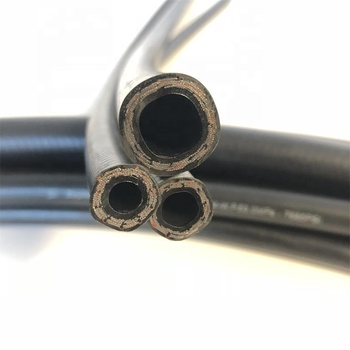
OEM smooth cover steel wire braided hydraulic hoses are critical components in fluid power systems, transmitting hydraulic fluid to operate machinery across a broad spectrum of industries, including construction, agriculture, manufacturing, and automotive. These hoses distinguish themselves through a robust construction designed to withstand high pressures, temperatures, and harsh operating environments. The “smooth cover” refers to the outer jacket, typically composed of synthetic rubber, providing abrasion resistance and protection against environmental factors. The steel wire braiding imparts exceptional strength and resistance to burst pressure. Their technical position lies between the hydraulic pump/reservoir and the hydraulic actuators (cylinders, motors, etc.). Core performance characteristics include pressure rating (measured in PSI or Bar), temperature range, fluid compatibility, and bend radius. Selecting the correct hose is paramount to system efficiency, reliability, and safety. A key industry pain point resides in ensuring consistent quality and traceability from OEM manufacturers, as substandard hoses can lead to catastrophic failures and significant downtime.
Material Science & Manufacturing
The construction of a steel wire braided hydraulic hose relies on a carefully selected combination of materials. The inner tube is typically constructed from synthetic rubbers like nitrile (NBR), chloroprene (CR), or ethylene propylene diene monomer (EPDM), chosen for their compatibility with various hydraulic fluids. NBR excels with petroleum-based fluids, CR offers resistance to ozone and weathering, while EPDM provides superior heat and fluid resistance, particularly for phosphate ester fluids. The reinforcement layer comprises high-tensile steel wire, often carbon steel, spirally wound to provide the necessary pressure resistance. The wire's yield strength and tensile strength are critical parameters. The cover, offering abrasion and environmental protection, is typically a synthetic rubber blend – often a combination of SBR (styrene-butadiene rubber) and NBR. Manufacturing involves several key steps. First, the inner tube is extruded. Next, the steel wire is spirally wrapped around the tube. This is followed by the application of the bonding adhesive to ensure secure adhesion between the tube, reinforcement, and cover. The cover is then extruded over the reinforcement layer. Curing, a vulcanization process using heat and pressure, solidifies the rubber components and bonds them together. Quality control throughout the process, including dimensional checks, pressure testing, and visual inspections for defects, is essential. Parameter control focuses on extrusion temperature, wire tension during wrapping, and curing time/temperature to maintain consistent performance.
Performance & Engineering
The performance of a steel wire braided hydraulic hose is dictated by several engineering principles. Burst pressure, typically determined by a 4:1 design factor, is paramount and determined by the number of steel wire braids and their tensile strength. Hose performance is also greatly impacted by fluid impulse – the cyclical pressure fluctuations that occur in hydraulic systems. Fatigue analysis is critical to ensure long-term durability under these conditions. Bend radius is also a vital consideration; exceeding the minimum bend radius can cause kinking, restricting flow and potentially leading to failure. Environmental resistance is addressed through the cover material’s selection, providing protection against ozone, UV radiation, oil, and abrasion. The hose’s ability to maintain flexibility over a wide temperature range is vital, particularly in outdoor applications. Engineering compliance requirements include adherence to SAE J517 (hydraulic hose performance), ISO 6899 (hydraulic hose construction), and EN 856 (hydraulic hose dimensions and testing). Force analysis dictates the selection of appropriate fittings and attachment methods to prevent pull-out failures. Material selection must also consider chemical compatibility with the hydraulic fluid being used; incompatibility can lead to swelling, degradation, and hose failure.
Technical Specifications
| Parameter | Unit | Typical Value (DN19 – 1” ID Hose) | Testing Standard |
|---|---|---|---|
| Working Pressure | PSI | 3000-5000 | SAE J517 |
| Burst Pressure | PSI | 12000-20000 | SAE J517 |
| Temperature Range | °F / °C | -40 to +212 / -40 to +100 | ISO 6899 |
| Inner Tube Material | - | NBR (Nitrile Rubber) | ASTM D2000 |
| Reinforcement | - | 2-wire spiral steel | ISO 6899 |
| Cover Material | - | SBR/NBR Blend | ASTM D2000 |
Failure Mode & Maintenance
Failure modes in steel wire braided hydraulic hoses are varied. Fatigue cracking, caused by repeated flexing and pressure cycles, is a common issue, particularly near fittings. Corrosion, both internal and external, can degrade the steel wire and rubber components, reducing pressure capacity and leading to leaks. Abrasion damage to the cover can expose the reinforcement layer to corrosion. Another failure mode is hose twisting, which can damage the reinforcement and compromise pressure integrity. Delamination – the separation of the tube, reinforcement, and cover – can occur due to poor bonding or material incompatibility. Oxidation of the rubber components over time can cause hardening and cracking. Maintenance is crucial for extending hose life. Regular visual inspections should be conducted to identify abrasion, cracks, leaks, and kinking. Hoses should be flushed periodically to remove contaminants. Proper routing and support are essential to prevent excessive bending and abrasion. When replacing hoses, ensure correct fitting selection and proper crimping procedures are followed. It is critical to avoid exceeding the hose's working pressure or temperature limits. A preventative maintenance schedule, including documented inspection intervals and replacement criteria, is highly recommended.
Industry FAQ
Q: What is the significance of the 'lay length' of the steel wire braiding?
A: The lay length refers to the distance the wire travels in one complete spiral around the hose. A shorter lay length results in greater flexibility but potentially reduced burst pressure. A longer lay length increases burst pressure but reduces flexibility. Selecting the appropriate lay length is a trade-off based on the application’s specific requirements.
Q: How does temperature affect the performance of a hydraulic hose?
A: Both high and low temperatures can impact hose performance. High temperatures can cause rubber components to soften and degrade, reducing pressure capacity. Low temperatures can cause rubber to harden and become brittle, increasing the risk of cracking. The specified temperature range of the hose must be adhered to.
Q: What is the importance of using compatible fittings with the hose?
A: Using incompatible fittings can lead to leaks, pull-out failures, and catastrophic hose rupture. Fittings must be designed for the specific hose type, pressure rating, and fluid compatibility. Proper crimping procedures are also vital to ensure a secure connection.
Q: What are the typical consequences of exceeding the hose's maximum working pressure?
A: Exceeding the maximum working pressure significantly reduces hose life and dramatically increases the risk of a catastrophic failure, such as bursting. This can result in serious injury or damage to equipment.
Q: How do you determine the appropriate hose size for a given application?
A: Hose size is determined by flow rate, pressure, and fluid velocity. Undersized hoses can restrict flow and cause excessive pressure drop. Oversized hoses can be bulky and difficult to route. Proper sizing requires calculating the required flow rate and selecting a hose with an appropriate inner diameter.
Conclusion
OEM smooth cover steel wire braided hydraulic hoses represent a complex interplay of material science, manufacturing precision, and engineering design. Their performance is fundamentally tied to the quality of the constituent materials, the control of manufacturing processes, and adherence to rigorous industry standards. Selecting the correct hose for a specific application is paramount to ensuring the safety, reliability, and longevity of hydraulic systems.
Future developments in hydraulic hose technology will likely focus on advanced materials – such as thermoplastic composites – offering improved strength-to-weight ratios and enhanced corrosion resistance. Smart hoses, incorporating sensors to monitor pressure, temperature, and flow, may become increasingly prevalent, enabling predictive maintenance and enhanced system control. The continued emphasis on sustainability will drive the development of more environmentally friendly materials and manufacturing processes.