
Apr . 01, 2024 17:55 Back to list
oem smooth cover steel wire braided hydraulic hose manufacturer Performance Analysis
Introduction
Steel wire braided hydraulic hose, with a smooth cover, represents a critical component in fluid power systems across a multitude of industries, including construction, agriculture, manufacturing, and automotive. This guide details the technical aspects of OEM smooth cover steel wire braided hydraulic hose manufacture, focusing on material science, production processes, performance characteristics, failure modes, and relevant industry standards. These hoses are designed to transmit hydraulic fluid under high pressure, facilitating the operation of heavy machinery and specialized equipment. Their robust construction, utilizing multiple layers of reinforcement, provides exceptional durability and resistance to demanding operating conditions. OEM (Original Equipment Manufacturer) production signifies adherence to precise specifications dictated by equipment manufacturers, necessitating stringent quality control and traceability throughout the manufacturing process. Core performance metrics include burst pressure, working pressure, impulse strength, and fluid compatibility. Understanding these parameters is essential for selecting the appropriate hose for a specific application and ensuring system reliability.
Material Science & Manufacturing
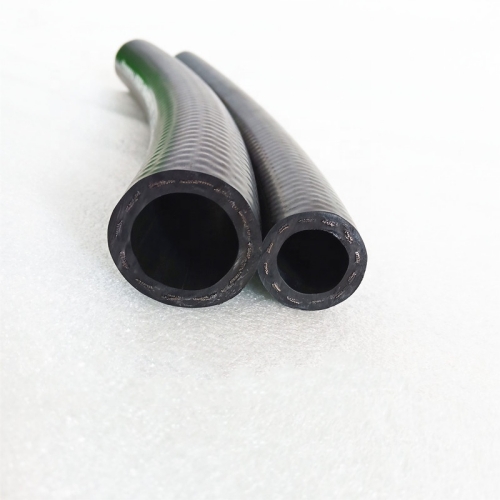
The construction of a smooth cover steel wire braided hydraulic hose involves several key materials. The inner tube, typically composed of nitrile rubber (NBR), synthetic rubber (SBR), or fluoroelastomer (FKM – Viton), provides compatibility with a wide range of hydraulic fluids. NBR offers good abrasion resistance and cost-effectiveness, while FKM provides superior resistance to high temperatures and aggressive chemicals. The reinforcement layer consists of high-strength steel wire, precisely braided to provide pressure containment and axial strength. The wire is typically carbon steel, galvanized for corrosion resistance. The cover, responsible for environmental protection and abrasion resistance, utilizes a smooth synthetic rubber compound, often a blend of SBR and NBR, designed for flexibility and resistance to ozone, UV radiation, and oil.
Manufacturing commences with inner tube extrusion, followed by precisely winding the steel wire in a helical pattern. The braiding process is critical; wire tension and braid angle directly influence the hose’s pressure rating and flexibility. The braid is then encapsulated with the cover material through extrusion. Post-extrusion, the hose undergoes vulcanization – a curing process that crosslinks the rubber compounds, enhancing their strength, elasticity, and resistance to degradation. Critical parameters during manufacturing include rubber compound mixing ratios, extrusion temperatures and pressures, braid tension control (typically monitored within ±5% variance), and vulcanization time and temperature (typically 150°C for 30-60 minutes). Quality control procedures involve dimensional checks, pressure testing (hydrostatic and impulse testing), and visual inspection for defects like pinholes or uneven braiding.
Performance & Engineering
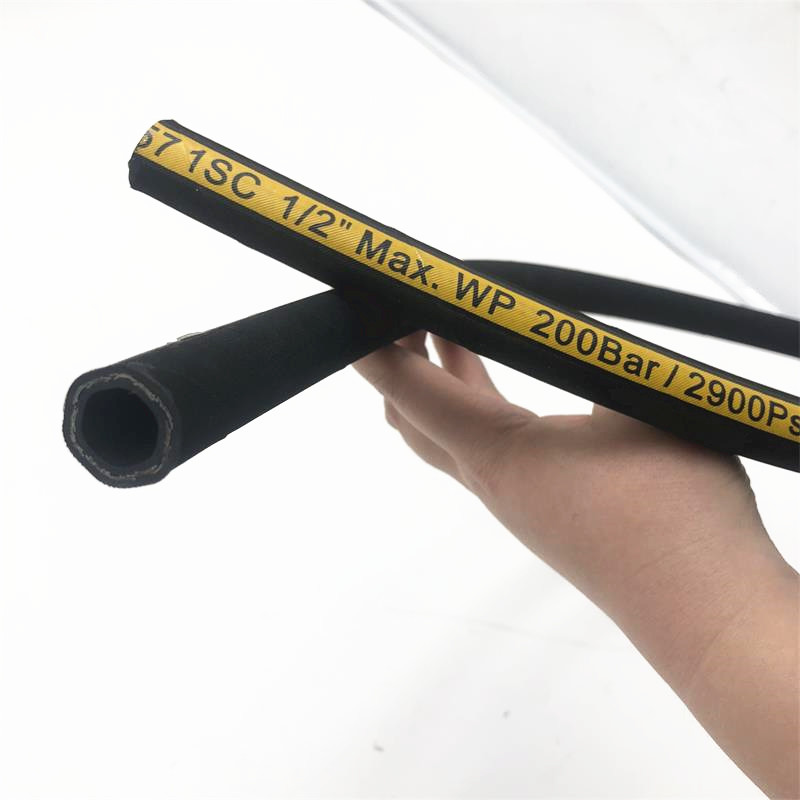
The performance of a steel wire braided hydraulic hose is governed by a complex interplay of material properties and engineering design. Force analysis considers hoop stress (circumferential stress within the hose wall due to internal pressure) and longitudinal stress (axial stress due to pressure and mechanical loading). Burst pressure, defined as the pressure at which the hose fails catastrophically, is a primary design criterion, typically exceeding the working pressure by a safety factor of 4:1. Working pressure is the maximum continuous operating pressure specified by the manufacturer. Impulse strength, the hose’s ability to withstand pressure pulsations, is crucial in applications like hydraulic hammers. This is assessed through repeated cyclic pressure testing.
Environmental resistance is paramount. Temperature variations can significantly affect rubber compound flexibility and strength. Exposure to ozone, UV radiation, and oils can accelerate degradation. Fluid compatibility is another critical consideration; incompatible fluids can cause swelling, softening, or cracking of the inner tube. Compliance requirements, such as those stipulated by SAE J517 (Hydraulic Hose – Performance Characteristics) and EN 853 (Steel Wire Braided Hydraulic Hose), mandate specific testing procedures and performance criteria. The hose’s bend radius is an engineering constraint; exceeding the minimum bend radius can lead to kinking and premature failure. Fitting selection (e.g., crimp fittings) is also critical; improper fitting installation can compromise the hose’s integrity.
Technical Specifications
| Parameter | Unit | Typical Value (1/2" ID Hose) | Test Standard |
|---|---|---|---|
| Inner Diameter (ID) | mm | 12.7 | SAE J517 |
| Outer Diameter (OD) | mm | 22.2 | SAE J517 |
| Working Pressure | MPa | 20.7 | SAE J517 |
| Burst Pressure | MPa | 82.7 | SAE J517 |
| Minimum Bend Radius | mm | 102 | SAE J517 |
| Temperature Range | °C | -40 to +100 | SAE J517 |
Failure Mode & Maintenance
Common failure modes in steel wire braided hydraulic hoses include fatigue cracking (due to repeated pressure cycles and flexing), abrasion (caused by external contact with surfaces), corrosion (particularly of the steel wire reinforcement), and degradation of the rubber compounds (due to exposure to heat, ozone, and fluids). Fatigue cracking typically initiates at stress concentration points, such as at the fitting crimp or around imperfections in the braid. Corrosion can weaken the steel wire, leading to rupture. Rubber degradation manifests as cracking, hardening, or swelling.
Preventive maintenance is crucial. Regular visual inspections should be conducted to identify signs of wear, cracking, or abrasion. Hose twist should be avoided, as it introduces additional stress. Proper routing and support are essential to prevent chafing. Fluid contamination can significantly reduce hose life; regular fluid filtration is recommended. When replacing a hose, ensure that the replacement hose meets or exceeds the original specifications. Never attempt to repair a damaged hose; complete replacement is the only safe option. Storage of hoses should be in a cool, dry, and dark environment to minimize degradation. Crimping of fittings should be performed by certified technicians using calibrated equipment to ensure proper sealing and mechanical integrity.
Industry FAQ
Q: What is the impact of fluid velocity on hose life?
A: Higher fluid velocity increases the risk of erosion of the inner tube, particularly with fluids containing abrasive particles. It also exacerbates pressure pulsations, contributing to fatigue failure. Maintaining optimal fluid velocity within the hose’s specifications is critical.
Q: How does hose cover material affect abrasion resistance?
A: The cover compound’s hardness and abrasion resistance are key factors. Compounds containing higher levels of carbon black generally exhibit improved abrasion resistance. The smoothness of the cover also influences its susceptibility to damage.
Q: What are the consequences of using an incompatible hydraulic fluid?
A: Incompatible fluids can cause swelling, softening, or cracking of the inner tube, leading to leaks and premature failure. They can also degrade the rubber compounds, reducing their flexibility and strength. Always verify fluid compatibility before use.
Q: What is the role of the steel wire braid in hose performance?
A: The steel wire braid provides the primary reinforcement against internal pressure. The number of braids, wire diameter, and braid angle determine the hose’s pressure rating and flexibility. Higher braid counts and smaller wire diameters generally result in higher pressure ratings but reduced flexibility.
Q: How do I determine the appropriate safety factor for a hydraulic hose application?
A: The appropriate safety factor depends on the application’s severity and potential consequences of failure. A safety factor of 4:1 is commonly used, but more demanding applications may require higher safety factors. Consider factors such as pressure spikes, temperature variations, and potential for external damage.
Conclusion
OEM smooth cover steel wire braided hydraulic hose represents a sophisticated engineering product, demanding careful material selection, precise manufacturing control, and diligent maintenance. Understanding the interplay between material properties, operating conditions, and relevant industry standards is paramount for ensuring reliable performance and preventing catastrophic failures. The specifications detailed herein represent typical values; however, customized hoses are frequently manufactured to meet specific OEM requirements.
Future advancements in hydraulic hose technology are likely to focus on the development of lighter-weight materials, improved abrasion resistance, and enhanced resistance to aggressive fluids. Continued research into advanced rubber compounds and braiding techniques will contribute to increased hose durability and extended service life. Adherence to stringent quality control procedures and proactive maintenance practices remain crucial for maximizing the performance and longevity of these critical components.