
Apr . 01, 2024 17:55 Back to list
oem smooth cover steel wire braided hydraulic hose factory Performance Analysis
Introduction
OEM smooth cover steel wire braided hydraulic hoses are critical components in fluid power systems across numerous industries, including construction, agriculture, mining, and manufacturing. They function as a flexible conduit for the transmission of hydraulic fluid, enabling the operation of machinery such as excavators, loaders, presses, and steering systems. Positioned as a downstream component in the hydraulic system supply chain, the hose's performance directly impacts system efficiency, reliability, and safety. Core performance characteristics include pressure rating, temperature resistance, flexibility, and resistance to chemical attack and abrasion. The industry faces increasing demands for higher working pressures, extended service life in harsh environments, and adherence to stringent safety regulations. This guide provides an in-depth technical overview of these hoses, covering material science, manufacturing processes, performance characteristics, failure modes, and relevant industry standards.
Material Science & Manufacturing
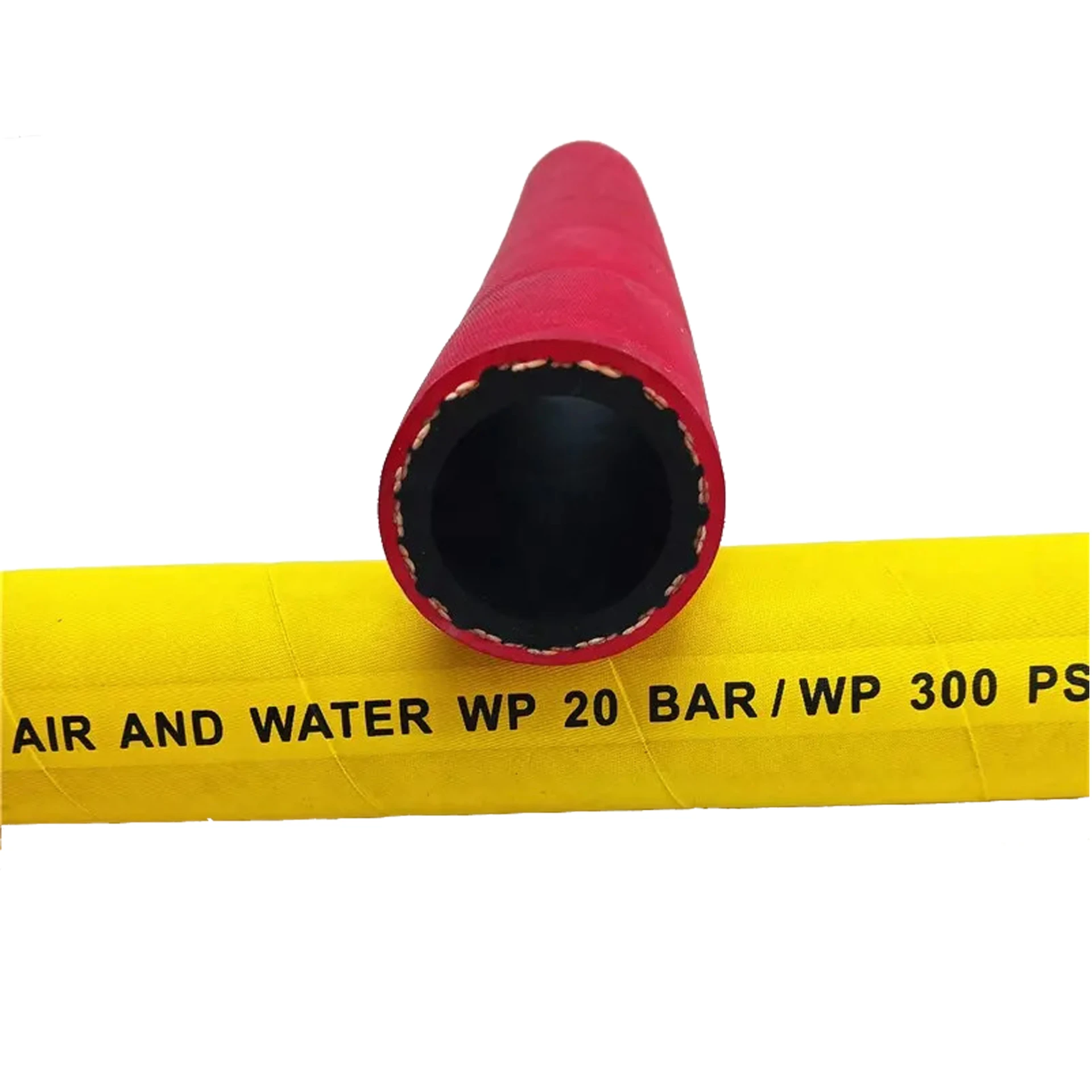
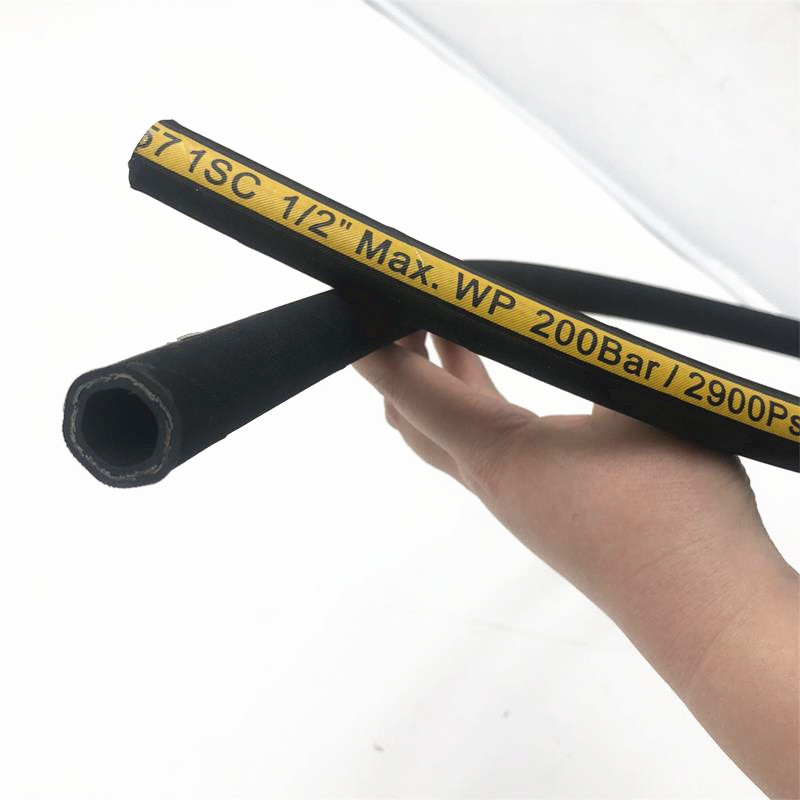
The construction of a steel wire braided hydraulic hose involves multiple layers of specialized materials. The inner tube, typically composed of a synthetic rubber compound such as nitrile rubber (NBR), chloroprene rubber (CR), or ethylene propylene diene monomer (EPDM), provides compatibility with the hydraulic fluid. NBR exhibits excellent resistance to petroleum-based fluids, while CR offers superior resistance to heat and weathering. EPDM is preferred for phosphate ester-based fluids. The reinforcement layer consists of one or more braids of high-strength steel wire, typically carbon steel, offering tensile strength and pressure resistance. The wire is surface treated (e.g., zinc-plated) to enhance corrosion resistance. The cover, commonly made of a synthetic rubber blend, protects the reinforcement from abrasion, ozone, UV radiation, and chemical exposure. Common cover materials include CR, NBR, and polyurethane. Manufacturing processes include extrusion of the inner tube and cover, spiral winding of the steel wire reinforcement, and vulcanization. Vulcanization, a chemical process involving sulfur, accelerates the crosslinking of the rubber polymers, enhancing strength, elasticity, and temperature resistance. Critical parameters during extrusion include die temperature, screw speed, and material viscosity. Precise control of braid pitch and tension is vital for ensuring uniform pressure distribution and preventing premature failure. Post-vulcanization testing includes pressure testing to verify burst pressure, impulse testing to assess fatigue resistance, and dimensional inspection to confirm adherence to specifications.
Performance & Engineering
Hydraulic hose performance is governed by several key engineering principles. Burst pressure, the maximum pressure the hose can withstand before rupture, is a primary specification. Working pressure is typically rated at 50% of the burst pressure, providing a safety factor. Hose flexibility, quantified by bend radius, is crucial for installation and operation. A smaller bend radius allows for tighter routing but increases stress concentration. Fatigue resistance is evaluated through impulse testing, subjecting the hose to repeated pressure cycles. Tensile strength, determined by the steel wire reinforcement, resists stretching and elongation under load. Environmental resistance is assessed through exposure to fluids, temperatures, ozone, and UV radiation. Chemical compatibility between the hose's internal materials and the hydraulic fluid is paramount; incompatible fluids can cause swelling, degradation, and leakage. Force analysis considers internal pressure, external bending moments, and axial loads. Finite element analysis (FEA) is commonly used to simulate stress distribution and optimize hose design. Compliance with industry standards, such as SAE J517 and EN 853, dictates minimum performance requirements and testing procedures. Specifically, SAE J517 classifies hoses based on working pressure and construction type, while EN 853 defines performance criteria for hoses used in mobile machinery.
Technical Specifications
| Parameter | Unit | Specification (Typical) | Testing Standard |
|---|---|---|---|
| Working Pressure | MPa | 20 – 35 | SAE J517 / EN 853 |
| Burst Pressure | MPa | 60 – 105 | SAE J517 / EN 853 |
| Temperature Range | °C | -40 to +100 | SAE J517 / EN 853 |
| Inner Tube Material | - | NBR, CR, EPDM | ASTM D2000 |
| Reinforcement | - | Steel Wire Braid (1SP, 2SP, 4SP) | SAE J517 / EN 853 |
| Cover Material | - | CR, NBR, Polyurethane | ASTM D2000 |
Failure Mode & Maintenance
Hydraulic hose failure can occur through several mechanisms. Fatigue cracking, initiated by repeated pressure cycles and bending, is a common failure mode, especially at connection points. Abrasion, caused by rubbing against surrounding surfaces, can damage the cover and expose the reinforcement to corrosion. Hose twist, induced by improper installation or movement, generates torsional stress and can lead to kinking and failure. Chemical attack, resulting from incompatible fluids, can cause swelling, softening, and degradation of the rubber compounds. Corrosion of the steel wire reinforcement, accelerated by moisture and chlorides, reduces its strength and contributes to rupture. Improper hose sizing (undersized or oversized) leads to excessive pressure drop or insufficient flow. Preventative maintenance includes regular visual inspection for signs of wear, abrasion, cracking, and leakage. Hoses should be replaced if any damage is detected. Proper installation practices, including correct bend radius and torque specifications for fittings, are essential. Regular fluid analysis can identify contaminants and ensure fluid compatibility. Storage conditions should minimize exposure to UV radiation, ozone, and extreme temperatures. When discarding hoses, proper disposal procedures, adhering to environmental regulations, must be followed.
Industry FAQ
Q: What is the significance of the "SP" designation (e.g., 2SP, 4SP) in hydraulic hose specifications?
A: The "SP" designation refers to the number of steel wire spiral layers used in the hose reinforcement. "2SP" indicates two spiral layers, providing higher pressure capability and increased flexibility compared to "1SP" (one spiral layer). "4SP" denotes four spiral layers, offering the highest pressure rating but with reduced flexibility. The choice of SP designation depends on the specific application requirements and operating pressure.
Q: How does temperature affect the performance and lifespan of a hydraulic hose?
A: Elevated temperatures accelerate the degradation of rubber compounds, reducing their elasticity and strength. Exposure to temperatures exceeding the hose's rated maximum can cause softening, cracking, and leakage. Low temperatures can decrease flexibility and increase the risk of cracking during bending. Maintaining the hydraulic fluid within the recommended temperature range is crucial for maximizing hose life.
Q: What are the common causes of hydraulic hose leakage, and how can they be prevented?
A: Common causes include loose fittings, damaged seals, cracks in the hose body, and chemical incompatibility. Prevention involves using properly torqued fittings, inspecting hoses regularly for damage, selecting compatible fluids, and implementing a preventative maintenance program. Correct installation and avoiding excessive bending or twisting are also critical.
Q: How important is the selection of the correct hydraulic fluid in relation to hose longevity?
A: The hydraulic fluid's compatibility with the hose's inner tube material is paramount. Incompatible fluids can cause swelling, softening, and degradation of the rubber, leading to premature failure. Always consult the hose manufacturer's recommendations and use fluids specifically designed for hydraulic systems.
Q: What safety precautions should be taken when replacing a hydraulic hose?
A: Always relieve system pressure before disconnecting any hoses. Wear appropriate personal protective equipment (PPE), including safety glasses and gloves. Ensure the hose is properly routed and secured to prevent abrasion or kinking. Use only approved fittings and follow the manufacturer's torque specifications. After installation, perform a leak test to verify proper operation.
Conclusion
OEM smooth cover steel wire braided hydraulic hoses represent a critical interface within hydraulic power systems, demanding careful consideration of material science, manufacturing precision, and operational factors. Understanding the interplay between pressure ratings, temperature resistance, chemical compatibility, and fatigue performance is vital for selecting the appropriate hose for a given application. Failure to address these parameters can lead to premature failure, system downtime, and potential safety hazards.
Future developments in hydraulic hose technology will likely focus on advanced materials, such as thermoplastic composites, to achieve higher strength-to-weight ratios and improved corrosion resistance. Smart hoses, incorporating sensors to monitor pressure, temperature, and strain, will enable predictive maintenance and enhance system reliability. Continued adherence to evolving industry standards and a commitment to rigorous testing will remain essential for ensuring the safe and efficient operation of hydraulic systems.