
Apr . 01, 2024 17:55 Back to list
oem smooth cover steel wire braided hydraulic hose factories Performance Analysis

Introduction
OEM smooth cover steel wire braided hydraulic hoses are critical components in fluid power systems across numerous industries, including construction, agriculture, mining, and manufacturing. These hoses are engineered to transmit hydraulic fluid under high pressure, facilitating the operation of heavy machinery and automated equipment. Their construction consists of an inner tube, multiple layers of high-tensile steel wire braid for reinforcement, and a smooth, abrasion-resistant outer cover. The key performance characteristics defining these hoses are pressure rating, temperature range, fluid compatibility, and bend radius. A primary industry pain point lies in consistently achieving the required burst pressure and fatigue resistance while maintaining flexibility and minimizing weight. Another challenge is ensuring compatibility with increasingly complex hydraulic fluids and addressing the need for longer service life in demanding operational environments. This guide provides an in-depth examination of the material science, manufacturing processes, performance parameters, failure modes, and relevant industry standards associated with these vital components.
Material Science & Manufacturing
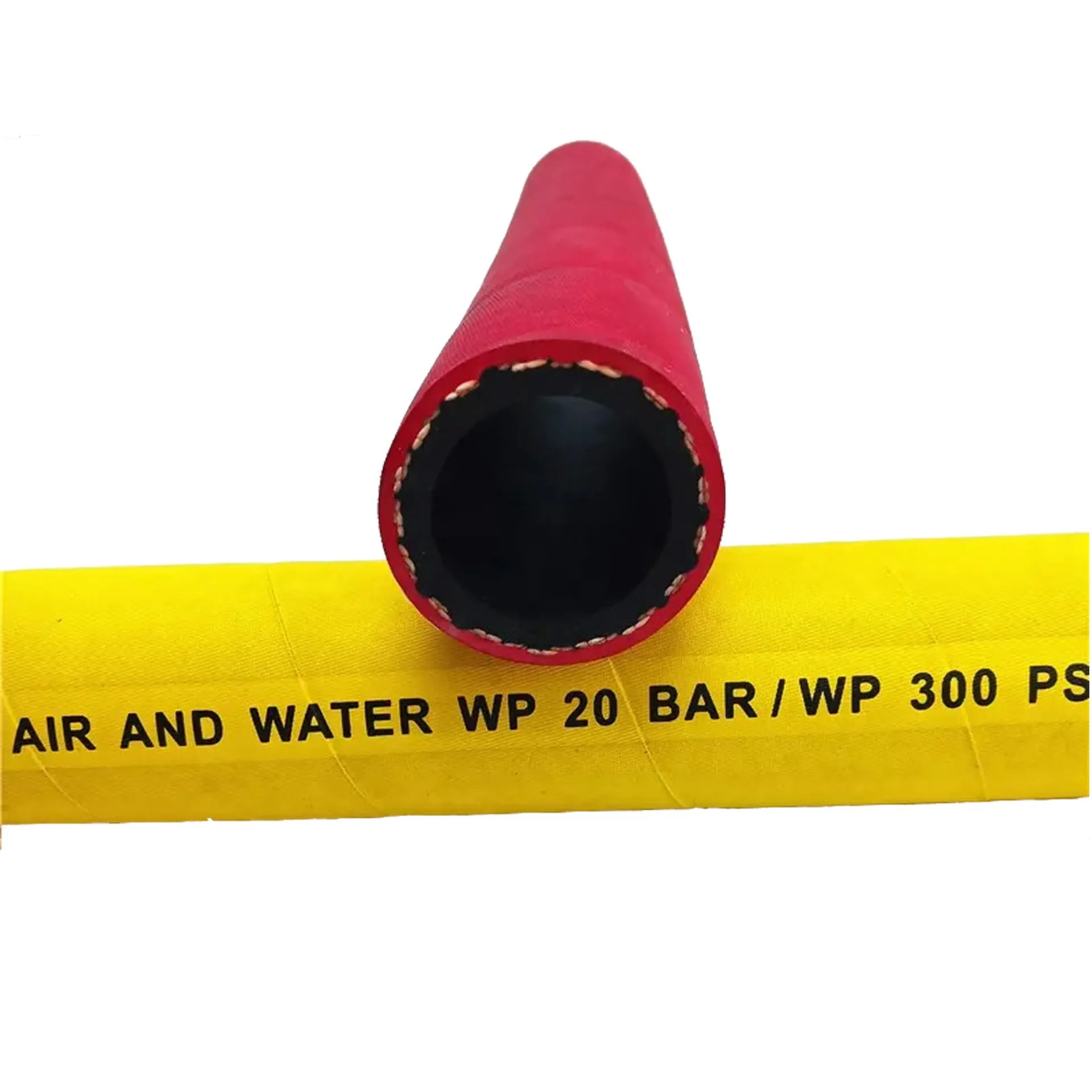
The core materials of a steel wire braided hydraulic hose dictate its performance and longevity. The inner tube is commonly constructed from synthetic rubbers like Nitrile (NBR), Ethylene Propylene Diene Monomer (EPDM), or Fluorocarbon (FKM, Viton®). NBR offers excellent resistance to petroleum-based hydraulic fluids, while EPDM excels in high-temperature and weather resistance. FKM provides superior chemical compatibility and is often chosen for aggressive fluids. The steel wire braid is typically high-carbon steel, chosen for its tensile strength and fatigue resistance. The outer cover utilizes materials like Polyurethane or Chlorinated Polyethylene (CPE) to provide abrasion resistance, ozone protection, and resistance to environmental degradation.
Manufacturing begins with the extrusion of the inner tube to precise dimensions. The steel wire braid is then applied through a helical winding process, ensuring consistent and complete coverage. The number of braid layers directly influences the hose’s pressure rating – typically ranging from one to six layers. A bonding agent is applied between the inner tube and the braid to prevent separation under pressure. Subsequent extrusion of the outer cover encapsulates the braid, creating the finished hose. Critical parameters during manufacturing include temperature control during extrusion to prevent material degradation, braid tension to ensure uniform reinforcement, and adhesion strength between layers. Quality control involves rigorous testing of burst pressure, impulse testing (cyclic pressure application), and dimensional accuracy. Proper vulcanization of the rubber compounds is crucial for achieving optimal mechanical properties and fluid resistance. Improper curing can lead to reduced elasticity and premature failure.
Performance & Engineering
The performance of steel wire braided hydraulic hoses is governed by several engineering principles. Hose pressure rating is determined by a formula incorporating the inner diameter, wall thickness, and the tensile strength of the steel wire braid, following standards like SAE J517. Burst pressure is typically four times the working pressure. Fatigue life, or the number of pressure cycles the hose can withstand before failure, is a critical parameter, especially in applications involving frequent actuation. This is heavily influenced by the steel wire's fatigue strength and the quality of the bonding agent. Environmental resistance, including exposure to ozone, UV radiation, and extreme temperatures, is addressed through the selection of appropriate cover materials.
Force analysis involves calculating hoop stress within the hose wall under pressure, ensuring it remains below the material’s yield strength. Bend radius is also crucial; exceeding the minimum bend radius induces stress concentrations and reduces the hose's lifespan. Compliance requirements often dictate specific fluid compatibility testing, verifying the hose material won't degrade or swell when exposed to the intended hydraulic fluid. Additionally, electrostatic dissipative (ESD) properties may be required in certain applications to prevent static charge buildup. Leakage is a primary concern and is minimized through precise fitting attachment and the use of appropriate sealing mechanisms.
Technical Specifications
| Parameter | Unit | Typical Value (SAE 100R4 Type) | Typical Value (EN 857 2SN Type) |
|---|---|---|---|
| Working Pressure | MPa | 31.5 | 20 |
| Burst Pressure | MPa | 126 | 80 |
| Temperature Range | °C | -40 to +100 | -40 to +100 |
| Inner Tube Material | - | NBR | NBR |
| Reinforcement | - | 2 Steel Wire Braid | 2 Steel Wire Braid |
| Outer Cover Material | - | CPE | CPE |
Failure Mode & Maintenance
Common failure modes in steel wire braided hydraulic hoses include burst failure due to exceeding the pressure rating, fatigue cracking resulting from repeated pressure cycles, abrasion damage to the outer cover, and internal degradation of the inner tube due to fluid incompatibility or aging. Burst failure is often catastrophic and can be caused by weakened steel wire due to corrosion or manufacturing defects. Fatigue cracking typically initiates at stress concentration points, such as near fittings or at bend locations. Abrasion can lead to braid exposure, accelerating corrosion and eventual failure. Internal degradation manifests as swelling, cracking, or loss of elasticity, compromising the hose’s sealing ability.
Preventive maintenance is crucial. Regular visual inspections should be conducted to identify signs of abrasion, cracking, or leakage. Hoses should be replaced at recommended intervals, even if no visible defects are present, considering operating conditions and fluid type. Proper routing and support are essential to prevent excessive bending and abrasion. Avoid sharp bends and ensure the hose is adequately protected from external damage. Hydraulic fluid should be regularly analyzed for contamination, as particulate matter can accelerate internal wear and degradation. When replacing a hose, ensure compatibility with the hydraulic fluid and use properly crimped fittings to prevent leakage and ensure a secure connection.
Industry FAQ
Q: What is the impact of hydraulic fluid type on hose lifespan?
A: Hydraulic fluid type significantly impacts hose lifespan. Incompatible fluids can cause the inner tube to swell, soften, or degrade, leading to premature failure. For example, using petroleum-based fluids in hoses designed for synthetic fluids will cause rapid deterioration. Always verify fluid compatibility with the hose manufacturer’s specifications.
Q: How does temperature affect the performance of a steel wire braided hose?
A: Extreme temperatures can negatively affect hose performance. High temperatures accelerate rubber degradation and reduce the hose’s flexibility. Low temperatures can decrease the hose’s elasticity, making it more prone to cracking. Operating outside the specified temperature range can significantly reduce the hose’s service life.
Q: What is the significance of impulse testing, and how is it performed?
A: Impulse testing simulates the effects of pressure pulsations within the hydraulic system. It’s crucial for assessing the hose’s ability to withstand repeated pressure surges without failure. Testing involves subjecting the hose to cyclical pressure fluctuations at a specified frequency and amplitude, monitoring for leaks or structural damage.
Q: What are the key differences between SAE J517 and EN 857 hydraulic hose standards?
A: SAE J517 (American) and EN 857 (European) are commonly used standards, but differ in construction and performance requirements. EN 857 hoses generally have a lower working pressure for a given size compared to SAE J517. EN 857 utilizes a different construction methodology for steel wire braiding and cover materials, impacting flexibility and resistance to specific fluids.
Q: What should be considered when selecting a hose fitting?
A: The fitting must be compatible with the hose type, hydraulic fluid, and operating pressure. The fitting material should resist corrosion and ensure a leak-proof seal. Proper crimping is critical for achieving a secure connection. Using incorrect fittings or improper crimping techniques can lead to premature hose failure and potential safety hazards.
Conclusion
OEM smooth cover steel wire braided hydraulic hoses represent a complex interplay of material science, manufacturing precision, and engineering design. Ensuring optimal performance and longevity requires a thorough understanding of these factors, from the selection of appropriate rubber compounds and steel wire grades to the implementation of stringent quality control measures during production. Addressing industry pain points related to burst pressure, fatigue resistance, and fluid compatibility is paramount for delivering reliable and durable hydraulic hose solutions.
Future developments are likely to focus on advanced materials, such as thermoplastic hoses offering improved chemical resistance and reduced weight, as well as smart hose technologies incorporating sensors for real-time pressure and temperature monitoring. Continued adherence to international standards and proactive maintenance practices will remain critical for maximizing the service life and ensuring the safe operation of hydraulic systems.