
Apr . 01, 2024 17:55 Back to list
oem six wire spiral high pressure hydraulic hose suppliers Performance Analysis
Introduction
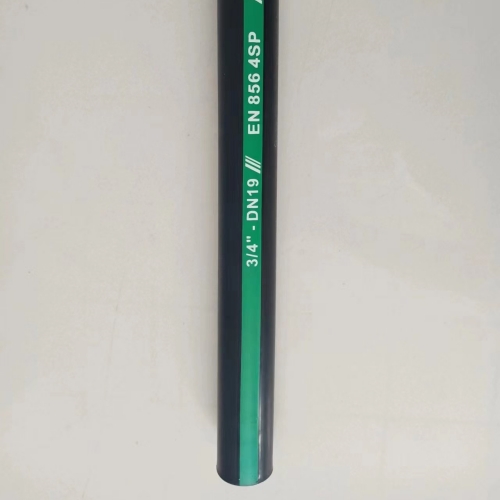
Six-wire spiral high-pressure hydraulic hoses are critical components in fluid power systems, serving as the lifeline for transmitting hydraulic energy. These hoses, supplied by OEMs, are engineered to withstand extreme pressures, temperatures, and challenging operational environments. Unlike simpler hose constructions, the six-wire spiral reinforcement provides superior pressure resistance, kink resistance, and fatigue life. Their application spans across industries including construction, agriculture, mining, material handling, and manufacturing, where reliable fluid transfer is paramount. A key performance metric is working pressure, typically ranging from 3000 PSI to 6000 PSI or higher, depending on the specific construction and intended application. This guide provides an in-depth exploration of the material science, manufacturing processes, performance characteristics, potential failure modes, and relevant industry standards associated with OEM six-wire spiral high-pressure hydraulic hoses. The core pain points for procurement managers revolve around ensuring consistent quality, verifying compliance with safety regulations, and minimizing downtime due to hose failure.
Material Science & Manufacturing
The construction of a six-wire spiral high-pressure hydraulic hose involves several key materials and manufacturing processes. The inner tube is typically made of a synthetic rubber compound, commonly Nitrile Rubber (NBR), also known as Buna-N, chosen for its excellent resistance to petroleum-based hydraulic fluids. Alternatives include Chlorinated Polyethylene (CPE) for improved oil and weather resistance, and Fluoroelastomers (FKM/Viton) for high-temperature and aggressive chemical environments. The reinforcement layer comprises six high-tensile steel wires spiraled around the inner tube. These wires are crucial for pressure containment and burst strength. The steel used is typically high-carbon steel, heat-treated to achieve the desired tensile strength and ductility. An adhesive bonding layer ensures strong adhesion between the inner tube and the steel wire reinforcement, preventing separation under pressure. The outer cover is usually composed of a synthetic rubber compound, like Chloroprene (Neoprene) or CPE, providing abrasion resistance, weather protection, and resistance to ozone cracking. Manufacturing begins with extrusion of the inner tube to the specified dimensions. The steel wire is then simultaneously spiraled onto the extruded tube, and adhesive is applied. This assembly is then cured under heat and pressure to vulcanize the rubber and bond the layers. Critical parameters during the curing process include temperature, pressure, and curing time, all impacting the hose’s final properties. Quality control checks at each stage include dimensional verification, adhesion testing, and visual inspection for defects. Furthermore, wire tension during spiraling and the uniformity of adhesive application are tightly controlled to maintain consistent performance. Post-curing, the outer cover is extruded, and the hose undergoes final inspection, testing (including hydrostatic testing), and finishing.
Performance & Engineering
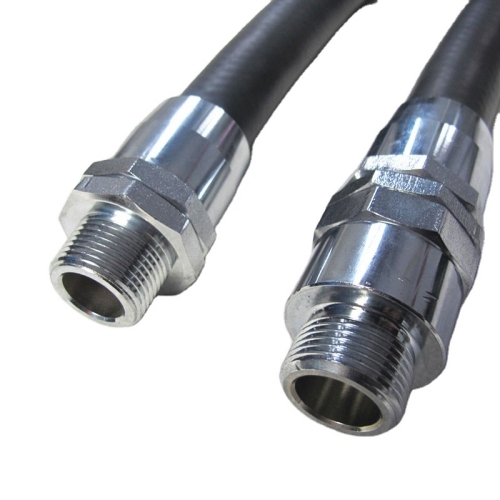
The performance of a six-wire spiral hydraulic hose is governed by several engineering principles. The primary function is to safely transmit fluid power, requiring adequate burst pressure, working pressure, and fatigue resistance. Burst pressure is typically four times the working pressure, providing a substantial safety factor. The hose’s ability to withstand repeated pressure cycles without failure is determined by its fatigue life, which is heavily influenced by the quality of the steel wire, the adhesive bond, and the rubber compounds. Force analysis during operation considers both internal pressure and external loads, such as bending, twisting, and abrasion. Bending radius is a critical parameter; exceeding the minimum bend radius can cause kinking and premature failure. Environmental resistance is also crucial. Exposure to extreme temperatures, UV radiation, and corrosive substances can degrade the rubber compounds, reducing the hose’s lifespan. Hydraulic fluid compatibility is paramount. Incompatible fluids can cause swelling, softening, or cracking of the inner tube. Compliance requirements vary depending on the region and application. SAE J517 and EN 853 standards define performance requirements and testing procedures for hydraulic hoses. The selection of hose end fittings (crimped or swaged) is critical to ensure a leak-free and secure connection. Fitting materials must be compatible with the hose and the hydraulic fluid. The crimp process must be precisely controlled to achieve the correct compression without damaging the hose reinforcement.
Technical Specifications
| Parameter | Unit | Typical Value (NBR Inner Tube/CPE Cover) | Testing Standard |
|---|---|---|---|
| Working Pressure | PSI | 4000 | SAE J517 |
| Burst Pressure | PSI | 16000 | SAE J517 |
| Temperature Range | °F | -40 to +212 | SAE J517 |
| Inner Tube Material | - | Nitrile Rubber (NBR) | ASTM D2000 |
| Reinforcement | Layers | 6 Spiral Steel Wire | ASTM A228 |
| Cover Material | - | Chloroprene (CPE) | ASTM D2000 |
Failure Mode & Maintenance
Six-wire spiral hydraulic hoses are susceptible to several failure modes. The most common is burst failure, resulting from exceeding the working pressure or internal damage to the reinforcement. Fatigue cracking can occur due to repeated pressure cycles and flexing, particularly near fittings. Pinholes can develop in the inner tube due to abrasion, chemical attack, or manufacturing defects. Cover degradation, including cracking and hardening, can occur due to UV exposure, ozone attack, and extreme temperatures. Kinking, resulting from exceeding the minimum bend radius, can cause localized stress and eventual failure. Fitting failure, such as corrosion or loosening, can lead to leaks and reduced system performance. Maintenance is crucial for extending hose lifespan. Regular visual inspections should be conducted to identify any signs of damage, such as cracks, abrasions, or swelling. Hose routing should be optimized to minimize bending and twisting. Proper fitting tightening torque should be maintained. Fluid compatibility should be verified to prevent inner tube degradation. Hoses should be replaced immediately if any damage is detected. Furthermore, implementing a regular hose replacement schedule based on operating hours or calendar time can prevent catastrophic failures. Correct storage is also vital: hoses should be stored in a cool, dry, and dark environment, away from ozone sources and direct sunlight.
Industry FAQ
Q: What is the significance of the 'dash size' designation for these hoses?
A: The dash size (e.g., -6, -8, -10) refers to the inner diameter of the hose in sixteenths of an inch. A dash-6 hose has a 6/16" (3/8") inner diameter. This is crucial for ensuring proper flow rate and pressure drop within the hydraulic system. Selecting the incorrect dash size can lead to reduced performance or system damage.
Q: How do I determine the appropriate working pressure for my application?
A: The working pressure should always exceed the maximum system pressure, including any pressure spikes or surges. A safety factor of at least 4:1 is recommended. Consider the operating temperature, as higher temperatures can reduce the hose’s pressure rating. Consult the hose manufacturer’s specifications for detailed pressure-temperature ratings.
Q: What are the common causes of hose twisting, and how can it be prevented?
A: Twisting is often caused by improper hose routing, incorrect fitting installation, or system movement. It can lead to internal damage and premature failure. Prevention involves careful hose routing, using swivel fittings where necessary, and ensuring that the hose is not subjected to excessive torsional stress.
Q: What is the impact of using an incompatible hydraulic fluid?
A: Incompatible fluids can cause the inner tube to swell, soften, or crack, leading to leaks and reduced hose lifespan. It can also damage other components in the hydraulic system. Always verify fluid compatibility with the hose manufacturer before use.
Q: What are the advantages of six-wire spiral reinforcement over four-wire spiral reinforcement?
A: Six-wire spiral reinforcement provides significantly higher burst pressure and improved kink resistance compared to four-wire. It offers greater fatigue life and is better suited for demanding applications with high pressures and frequent flexing. While more expensive, the increased reliability and durability often justify the cost.
Conclusion
OEM six-wire spiral high-pressure hydraulic hoses are engineered solutions demanding a thorough understanding of material science, manufacturing processes, and operational requirements. The robust construction, utilizing high-tensile steel wire and specialized rubber compounds, enables reliable fluid power transmission under extreme conditions. Proper selection, installation, and maintenance are critical for maximizing hose lifespan and preventing costly downtime.
Ultimately, the integrity of any hydraulic system hinges on the quality and reliability of its hoses. Procurement managers must prioritize hoses from reputable OEMs that adhere to stringent quality control standards and relevant industry regulations. A proactive maintenance program, coupled with regular inspections and timely replacements, is essential for ensuring long-term system performance and operator safety. Continued innovation in materials and manufacturing techniques will drive further improvements in hose durability and performance.