
Apr . 01, 2024 17:55 Back to list
oem six wire spiral high pressure hydraulic hose manufacturer Performance Analysis
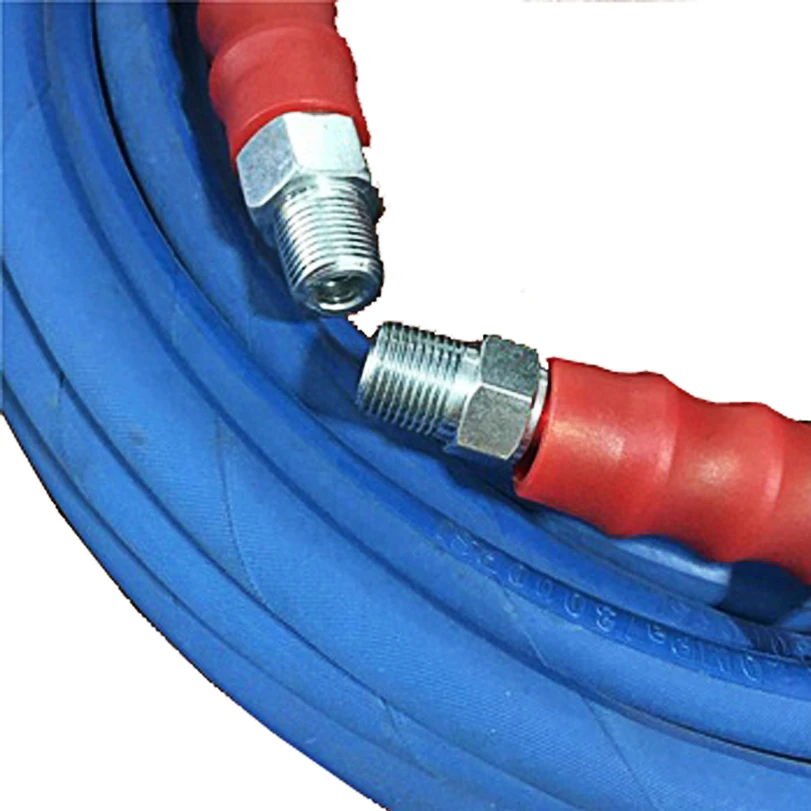
Introduction
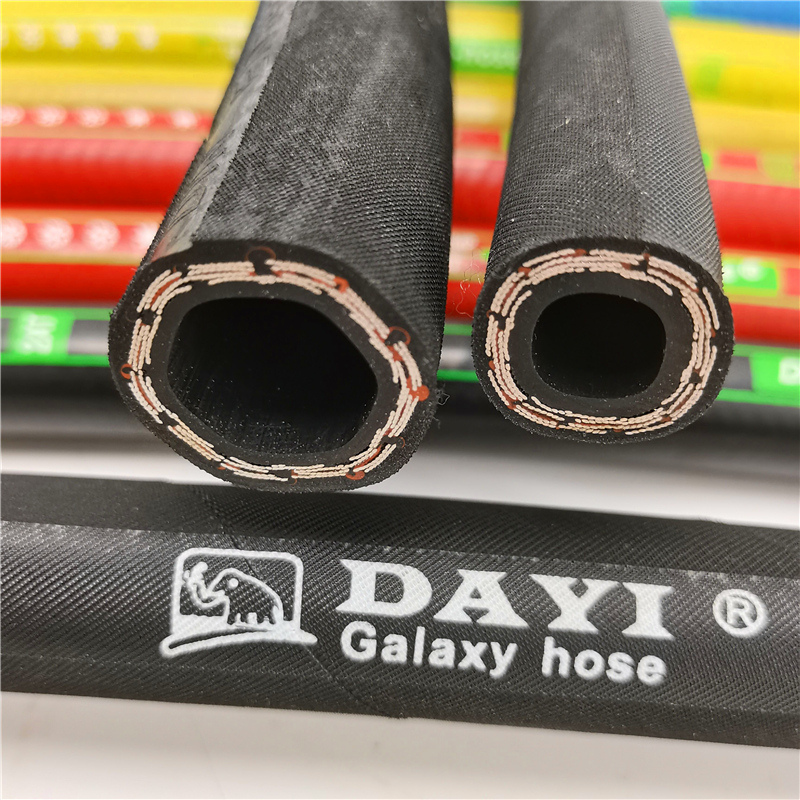
Six-wire spiral high-pressure hydraulic hoses are critical components in fluid power systems, designed to transmit hydraulic fluid to actuators and other components. They are distinguished by their robust construction, featuring six layers of high-tensile steel wire spirally wound within a synthetic rubber inner tube and outer cover. This configuration provides exceptional pressure resistance, flexibility, and durability, making them suitable for demanding applications across various industries including construction, agriculture, manufacturing, and oil & gas. OEM (Original Equipment Manufacturer) six-wire spiral hoses represent specialized production runs adhering to specific client specifications, offering tailored solutions for unique operational requirements. The core performance characteristic lies in their ability to safely handle extremely high working pressures while maintaining flexibility for complex routing. A primary industry pain point revolves around hose failure due to exceeding pressure limits, improper installation, or material degradation, leading to costly downtime and potential safety hazards. Proper hose selection, installation, and maintenance are paramount to reliable operation.
Material Science & Manufacturing
The manufacturing of six-wire spiral high-pressure hydraulic hose begins with the selection of appropriate materials. The inner tube is typically composed of a synthetic rubber compound, such as nitrile (NBR), chloroprene (CR), or ethylene propylene diene monomer (EPDM), chosen for their compatibility with the hydraulic fluid being used (phosphate ester, petroleum oil, water glycol). NBR offers excellent resistance to petroleum-based fluids, CR provides good resistance to ozone and weathering, while EPDM is preferred for high-temperature applications and compatibility with water-based fluids. The reinforcement layers consist of high-tensile steel wire, typically drawn from carbon steel and treated to prevent corrosion. The outer cover is also made from a synthetic rubber compound, offering protection against abrasion, weathering, and chemical exposure. Key manufacturing processes include: 1) Inner Tube Extrusion: The rubber compound is extruded through a die to form a continuous tube. 2) Wire Winding: Six high-tensile steel wires are spirally wound around the inner tube with precise pitch and tension control. This is a critical parameter; deviation leads to pressure failure. 3) Outer Cover Extrusion: The outer cover is extruded over the wire reinforcement. 4) Curing: The assembled hose is cured in a heated autoclave to vulcanize the rubber compounds and bond the layers together. Curing time and temperature are precisely controlled to achieve optimal material properties. 5) Testing & Inspection: Each hose undergoes rigorous testing, including pressure testing to specified burst and working pressures, impulse testing to verify fatigue resistance, and dimensional checks. Key parameter control focuses on wire tension, rubber compound viscosity, curing temperature, and dimensional accuracy.
Performance & Engineering
The performance of a six-wire spiral hydraulic hose is fundamentally governed by its ability to withstand internal pressure without failure. Force analysis involves calculating hoop stress within the rubber tube and tensile stress within the steel wires. The spiral wire configuration provides the primary strength, resisting the expansive force of the pressurized fluid. The rubber matrix provides support and seals the wires, preventing fluid leakage. Environmental resistance is a crucial performance factor. Exposure to extreme temperatures, UV radiation, ozone, and corrosive fluids can degrade the rubber compounds, reducing their elasticity and strength. Material selection and the addition of antioxidants and UV stabilizers mitigate these effects. Compliance requirements vary by industry and region. Standards such as SAE J517, EN 856, and ISO 6897 define performance specifications, testing procedures, and marking requirements. Impulse testing, simulating the pulsating pressure from hydraulic pumps, is critical to assess fatigue life. Failure analysis focuses on identifying the root cause of failures, such as exceeding pressure limits, wire breakage, rubber degradation, or fitting failure. The hose’s flexibility is engineered to allow for complex routing within machinery while minimizing stress concentrations. Bend radius specifications must be adhered to during installation to prevent kinking and premature failure.
Technical Specifications
| Parameter | Unit | Typical Value | Testing Standard |
|---|---|---|---|
| Working Pressure | MPa | 25 – 42 | SAE J517 |
| Burst Pressure | MPa | 75 – 126 | SAE J517 |
| Temperature Range | °C | -40 to +100 | SAE J517 |
| Inner Tube Material | - | NBR, CR, EPDM | ASTM D2000 |
| Reinforcement | - | Six spiral high-tensile steel wire | ASTM A938 |
| Outer Cover Material | - | Synthetic Rubber (CR/NBR Blend) | ASTM D2000 |
Failure Mode & Maintenance
Common failure modes in six-wire spiral hydraulic hoses include: Fatigue Cracking: Caused by repeated flexing and pressure pulsations, leading to cracks in the steel wires. Wire Breakage: Corrosion, overstress, or manufacturing defects can cause individual wires to break, reducing the hose’s strength. Rubber Degradation: Exposure to heat, ozone, UV radiation, and incompatible fluids can cause the rubber compounds to harden, crack, or swell, leading to leakage or failure. Pinholes & Leaks: Damage from abrasion or punctures can create pinholes or larger leaks. Fitting Failure: Improperly installed or corroded fittings can fail, causing sudden pressure loss. Delamination: Separation of the rubber layers from the wire reinforcement. Preventative maintenance is crucial. This includes regular visual inspections for signs of wear, cracks, or leaks. Hose routing should be optimized to minimize bending and abrasion. Proper fitting installation, using the correct torque specifications, is essential. Regular fluid analysis can identify potential compatibility issues. If damage is detected, the hose should be replaced immediately. Avoid exceeding the hose’s maximum working pressure. Store hoses in a cool, dry, and dark environment when not in use. A robust failure analysis program, including metallurgical examination of failed components, is critical for identifying root causes and preventing recurrence.
Industry FAQ
Q: What is the impact of exceeding the maximum working pressure on hose lifespan?
A: Exceeding the maximum working pressure significantly reduces hose lifespan and dramatically increases the risk of catastrophic failure. Each instance of overpressure induces stress beyond the design limits, leading to accelerated fatigue and potential wire breakage or rubber degradation. Even momentary excursions above the rated pressure can cumulatively weaken the hose structure.
Q: How do different hydraulic fluids affect hose compatibility?
A: Hydraulic fluid compatibility is paramount. Incompatible fluids can cause swelling, shrinking, or chemical degradation of the rubber compounds, leading to leaks or failure. For example, using petroleum-based fluids in a hose designed for phosphate ester fluids will cause rapid degradation. Always verify fluid compatibility with the hose manufacturer’s specifications.
Q: What is the correct procedure for bending a high-pressure hydraulic hose?
A: Maintaining the specified minimum bend radius is crucial. Excessive bending creates stress concentrations, weakening the hose and increasing the risk of fatigue cracking. Refer to the hose manufacturer’s datasheet for the recommended minimum bend radius for the specific hose size and type. Avoid sharp bends and kinks.
Q: What role do fittings play in the overall reliability of a hydraulic hose assembly?
A: Fittings are integral to the hose assembly’s reliability. Incorrectly sized or installed fittings can leak or fail under pressure. Fittings should be properly crimped onto the hose using the manufacturer’s recommended tooling and procedures. Corrosion of fittings can also lead to failure; regular inspection and replacement are essential.
Q: How does temperature affect the performance of a six-wire spiral hose?
A: Extreme temperatures can significantly affect hose performance. High temperatures accelerate rubber degradation and reduce the hose’s pressure rating. Low temperatures can reduce the rubber’s flexibility and increase its susceptibility to cracking. The specified temperature range should be strictly adhered to.
Conclusion
OEM six-wire spiral high-pressure hydraulic hoses represent a critical component in a wide range of industrial applications. Their robust construction, utilizing high-tensile steel wire reinforcement and engineered rubber compounds, provides the necessary strength and flexibility to withstand demanding operating conditions. Understanding the material science, manufacturing processes, performance characteristics, and potential failure modes is paramount for ensuring reliable operation and maximizing service life. Careful consideration of fluid compatibility, operating temperature, pressure limitations, and proper installation practices are all essential to prevent premature failure and maintain system integrity.
Future developments in hydraulic hose technology will likely focus on the development of new rubber compounds with enhanced resistance to extreme temperatures, aggressive fluids, and abrasion. Advanced manufacturing techniques, such as automated wire winding and non-destructive testing methods, will further improve hose quality and reliability. The implementation of predictive maintenance strategies, utilizing sensor technology to monitor hose condition in real-time, will also play an increasingly important role in minimizing downtime and preventing catastrophic failures.