
Apr . 01, 2024 17:55 Back to list
oem sae100r9 manufacturer Performance Analysis
Introduction
SAE 100R9 hose represents a critical component in hydraulic fluid power systems, specifically designed for high-pressure applications. As an OEM supplier of SAE 100R9 hose, a manufacturer's position within the industry chain is primarily focused on providing a reliable, consistent, and rigorously tested product to equipment manufacturers (OEMs). These hoses are utilized across a broad spectrum of industries including construction, agriculture, mining, material handling, and industrial manufacturing. The core performance characteristics defining SAE 100R9 hose are its ability to withstand extremely high working pressures, maintain fluid compatibility, resist abrasion, and operate reliably across a wide temperature range. A key industry pain point revolves around ensuring consistent quality control, traceability of materials, and adherence to stringent dimensional tolerances to prevent system failures and costly downtime for end-users. Furthermore, maintaining competitive pricing without compromising performance and longevity is a persistent challenge for OEM suppliers.
Material Science & Manufacturing
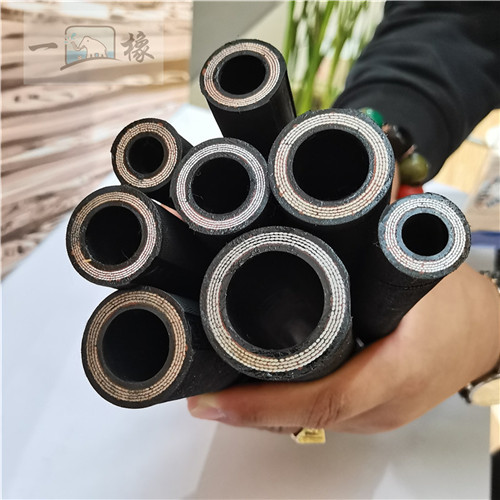
SAE 100R9 hose construction fundamentally relies on a combination of synthetic rubber, reinforcement layers, and a protective outer cover. The inner tube is typically composed of oil-resistant nitrile rubber (NBR), although other materials like EPDM may be used depending on the fluid compatibility requirements. NBR exhibits excellent resistance to petroleum-based hydraulic fluids, ensuring minimal degradation and maintaining flexibility over time. The reinforcement layer, crucial for pressure containment, traditionally consists of multiple braids of high-tensile steel wire. The number and construction of these braids directly correlate with the hose's working pressure capacity. Finally, the outer cover utilizes a synthetic rubber blend, commonly a combination of polyurethane and other polymers, offering abrasion resistance, weather protection, and resistance to ozone degradation.
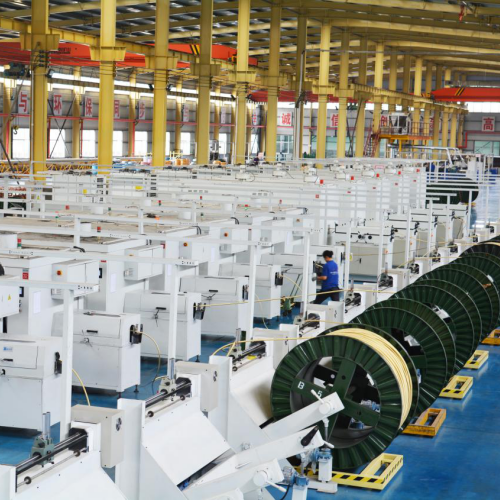
Manufacturing involves a complex process sequence. The inner tube is extruded through a die to achieve precise dimensions. The steel wire reinforcement is then spirally wound around the inner tube using specialized braiding machines. Precise tension control during braiding is paramount; insufficient tension compromises pressure capacity, while excessive tension can lead to distortion and premature failure. Following braiding, the outer cover is extruded over the reinforced inner tube. Critical parameters during extrusion include temperature, pressure, and screw speed, all of which influence the cover’s uniformity and adherence. Post-extrusion, the hose undergoes a curing process utilizing heat and pressure to vulcanize the rubber compounds, enhancing their strength, elasticity, and resistance to degradation. Quality control checkpoints at each stage, including dimensional inspections, pressure testing, and material analysis, are essential to guarantee conformance to SAE standards.
Performance & Engineering
The performance of SAE 100R9 hose is dictated by its ability to withstand internal pressure, external damage, and exposure to environmental factors. Force analysis involves calculating hoop stress within the hose wall under pressure, ensuring the steel reinforcement can adequately contain the fluid. Burst pressure, defined as the pressure at which the hose fails, must exceed the working pressure by a significant safety factor, typically 4:1. External factors, such as abrasion from contact with machinery and exposure to UV radiation, necessitate a robust outer cover. The choice of cover material directly impacts its resistance to these forms of degradation.
Compliance with SAE 100R9 standards is non-negotiable. These standards dictate dimensional tolerances, pressure testing procedures, and material specifications. Testing includes hydrostatic pressure testing, impulse testing (simulating pressure pulsations), and temperature cycling to assess performance under varying conditions. Furthermore, understanding fluid compatibility is vital. Incompatible fluids can cause swelling, softening, or cracking of the inner tube, leading to leaks and failures. Engineering considerations also include bend radius – exceeding the minimum bend radius can induce stress concentration and reduce hose lifespan. Proper fitting selection and installation techniques are also crucial to prevent premature failure at the connection points.
Technical Specifications
| Parameter | Unit | SAE 100R9 Specification | Typical OEM Value |
|---|---|---|---|
| Working Pressure | MPa | Up to 35 | 21-35 |
| Burst Pressure | MPa | ≥ 140 | 168-210 |
| Inner Tube Material | - | Nitrile Rubber (NBR) | NBR |
| Reinforcement | - | Multiple Steel Wire Braids | 4/6 Spiral Wire |
| Outer Cover Material | - | Polyurethane | Polyurethane Blend |
| Temperature Range | °C | -40 to +100 | -40 to +120 |
Failure Mode & Maintenance
Common failure modes in SAE 100R9 hose include fatigue cracking (due to repeated pressure pulsations), abrasion damage to the outer cover, pinholes caused by external punctures, and degradation of the inner tube due to fluid incompatibility or excessive temperature. Fatigue cracking often initiates at stress concentration points, such as at the fitting crimp or areas of bending. Abrasion can lead to reinforcement exposure, increasing the risk of bursting. Pinholes result in immediate fluid leaks. Inner tube degradation manifests as swelling, softening, or cracking, compromising the hose’s containment ability.
Preventive maintenance is crucial. Regular visual inspections should be conducted to identify signs of abrasion, cracking, or swelling. Hoses should be replaced if any damage is detected. Proper installation practices, including using the correct fittings and avoiding excessive bending, are essential. Fluid compatibility should be verified before use. Implementing a hose management program, tracking hose age and usage, can aid in proactive replacement schedules. In the event of a burst, a detailed failure analysis should be performed to determine the root cause and prevent recurrence. This analysis should include examination of the fractured surfaces to identify the initiation point and mode of failure.
Industry FAQ
Q: What is the significance of the “dash size” designation (e.g., -10, -12) in SAE 100R9 hose?
A: The dash size refers to the hose’s inner diameter in sixteenths of an inch. For example, a -10 hose has a 10/16 inch (or 5/8 inch) inner diameter. This is a critical parameter for determining flow capacity and matching the hose to the appropriate fittings and hydraulic system components.
Q: How does temperature affect the performance of SAE 100R9 hose?
A: Extreme temperatures, both high and low, can impact hose performance. High temperatures can accelerate rubber degradation and reduce pressure capacity. Low temperatures can reduce flexibility, increasing the risk of cracking. The specified temperature range in the technical specifications should be strictly adhered to.
Q: What are the key differences between single-wire and two-wire braid SAE 100R9 hose?
A: Two-wire braid hose offers significantly higher pressure capacity and greater flexibility compared to single-wire braid hose. This is due to the increased reinforcement provided by the additional braid layer. Two-wire braid is typically used in higher-pressure applications.
Q: What is the importance of proper fitting selection with SAE 100R9 hose?
A: Incorrectly sized or improperly crimped fittings are a major cause of hose failure. Fittings must be compatible with the hose’s dash size and material. The crimp must be sufficient to create a leak-proof seal without damaging the hose reinforcement.
Q: How can I verify the authenticity of an SAE 100R9 hose from a supplier?
A: Reputable suppliers will provide certification of conformance to SAE 100R9 standards, including test reports and material certifications. Look for clear markings on the hose indicating the manufacturer, dash size, and pressure rating. Request traceability documentation for the materials used in hose construction.
Conclusion
SAE 100R9 hose remains a cornerstone of hydraulic power transmission, demanding rigorous material selection, precise manufacturing control, and consistent adherence to industry standards. The reliability of these hoses is inextricably linked to the performance and safety of the machinery they serve. Ensuring the integrity of the hose, from material sourcing to final installation, represents a critical factor in preventing catastrophic failures and minimizing downtime for end-users.
Future developments may focus on incorporating advanced materials, such as thermoplastic composites, to enhance strength-to-weight ratios and improve corrosion resistance. Furthermore, smart hose technologies, incorporating sensors to monitor pressure, temperature, and structural integrity, could enable predictive maintenance and enhance overall system reliability. Continued investment in quality control and adherence to evolving standards will remain paramount to maintaining the integrity of SAE 100R9 hose in demanding industrial applications.