
Apr . 01, 2024 17:55 Back to list
oem sae100r6 suppliers Performance Analysis
Introduction
SAE 100R6 hose represents a critical component in hydraulic systems across numerous industries, including construction, agriculture, material handling, and manufacturing. OEM suppliers specializing in SAE 100R6 hoses provide solutions for the safe and efficient transmission of hydraulic fluid under high pressure. This guide provides an in-depth technical overview of SAE 100R6 hose, covering material science, manufacturing processes, performance characteristics, potential failure modes, and relevant industry standards. The core performance metrics revolve around burst pressure, working pressure, and temperature range, all rigorously defined by SAE specifications. A key pain point within the industry is consistent quality control to ensure adherence to these specifications, preventing catastrophic failures and maximizing system uptime. Understanding the nuances of construction – specifically the reinforcement layer – is paramount for selecting the appropriate hose for demanding applications.
Material Science & Manufacturing
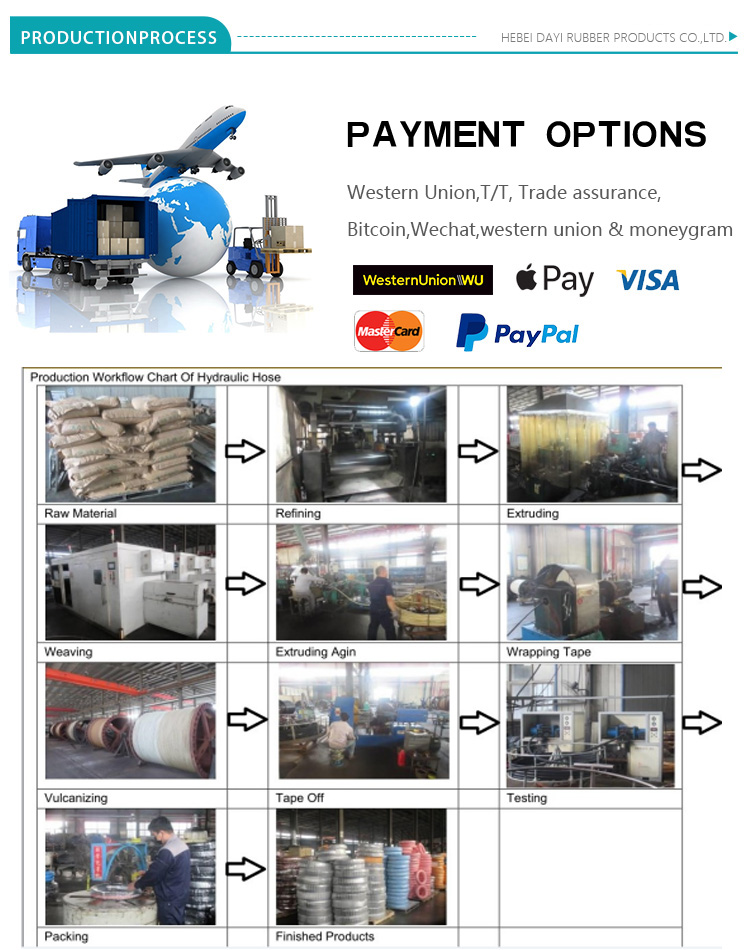
SAE 100R6 hoses are typically constructed of three primary layers: an inner tube, a reinforcement layer, and an outer cover. The inner tube material is commonly a synthetic rubber compound, specifically Nitrile (NBR), known for its excellent resistance to petroleum-based hydraulic fluids. NBR’s properties include good abrasion resistance and flexibility, crucial for handling fluid flow and bending applications. However, its temperature range is limited. Alternative inner tube materials like Ester Polyurethane offer superior temperature resistance but at a higher cost. The reinforcement layer is critical for withstanding high pressures. Traditionally, this layer consists of multiple plies of high-tensile steel wire braided in a helical pattern. The wire gauge and braid angle directly impact the hose’s burst pressure rating. Spiral-cut, high-tensile steel wire is also used. The outer cover provides protection against abrasion, weathering, and chemical exposure. Common cover materials include Chlorinated Polyethylene (CPE) and Polyurethane. CPE offers good resistance to ozone and UV degradation, while polyurethane provides superior abrasion resistance. The manufacturing process involves extrusion of the inner tube and outer cover, followed by the precise winding of the reinforcement layer. Critical parameters during extrusion include temperature control (to maintain polymer properties) and die design (to ensure consistent wall thickness). During braiding, maintaining consistent tension and pitch of the steel wire is vital for achieving the specified pressure ratings. Post-manufacturing, hoses undergo rigorous pressure testing and dimensional inspection to verify compliance with SAE standards.
Performance & Engineering
The performance of an SAE 100R6 hose is dictated by several engineering considerations, primarily related to pressure handling and environmental resistance. Burst pressure, defined as the pressure at which the hose fails catastrophically, is a key specification. Working pressure is a fraction of the burst pressure (typically 1/4) and represents the maximum safe operating pressure. Force analysis under pressure involves calculating hoop stress in the hose wall, which is directly proportional to the internal pressure and radius of the hose. The reinforcement layer’s primary function is to counteract this stress. Environmental resistance encompasses temperature range, fluid compatibility, and exposure to external elements. NBR inner tubes typically function between -40°C and +100°C, while polyurethane can withstand broader temperature ranges. Fluid compatibility is crucial; incompatible fluids can cause swelling, degradation, or cracking of the inner tube. Compliance requirements are stringent, governed by SAE standards and often further mandated by industry-specific regulations (e.g., DOT for mobile hydraulics). Fatigue life is another important performance metric, especially for hoses subjected to cyclical pressure and bending. Fatigue failure occurs due to repeated stress cycles, leading to crack initiation and propagation within the reinforcement layer or hose wall. Proper hose assembly, utilizing appropriate fittings and crimping procedures, is essential for maximizing performance and preventing premature failures. Incorrect crimping can lead to fitting slippage or hose deformation, compromising pressure integrity.
Technical Specifications
| Parameter | SAE 100R6 Type A (Typical) | SAE 100R6 Type B (Typical) | Units |
|---|---|---|---|
| Working Pressure | 2000 | 3000 | PSI |
| Burst Pressure | 8000 | 12000 | PSI |
| Inner Tube | NBR | NBR | Material |
| Reinforcement | 4SP (4 Spiral Ply) | 6SP (6 Spiral Ply) | Construction |
| Outer Cover | CPE | CPE | Material |
| Temperature Range | -40°C to +100°C | -40°C to +100°C | °C |
Failure Mode & Maintenance
SAE 100R6 hoses are susceptible to various failure modes in practical applications. Fatigue cracking is a common issue, particularly in hoses subjected to continuous bending and pressure cycling. This typically initiates in the reinforcement layer due to repeated stress. Another failure mode is abrasion damage to the outer cover, which can expose the reinforcement layer to corrosion and ultimately lead to a breach in pressure integrity. Internal degradation of the inner tube can occur due to fluid incompatibility or prolonged exposure to high temperatures, causing swelling, cracking, and reduced flexibility. External damage, such as cuts or punctures, can result in immediate pressure loss. Fitting failures, often caused by improper crimping or corrosion, are also prevalent. To mitigate these failures, regular inspection is crucial. Visually inspect the hose for signs of abrasion, cracking, bulging, or leaks. Check fittings for corrosion and ensure they are securely crimped. Flush the hydraulic system periodically to remove contaminants that can accelerate wear. Proper hose routing is essential to avoid sharp bends and contact with abrasive surfaces. Replacement should occur at recommended intervals or upon detection of any signs of damage. Maintenance also includes proper storage of hoses, protecting them from sunlight, ozone, and extreme temperatures when not in use. Implementing a preventative maintenance schedule is vital for maximizing hose life and preventing costly downtime.
Industry FAQ
Q: What is the significance of the 'SP' designation (e.g., 4SP, 6SP) in SAE 100R6 hose specifications?
A: The 'SP' designation refers to 'Spiral Ply,' indicating the number of layers of steel wire spirally wound within the reinforcement layer. A higher SP number (e.g., 6SP) denotes a greater number of reinforcement layers, resulting in higher burst pressure and working pressure capabilities. The increased steel wire adds structural integrity to withstand higher stresses.
Q: What are the consequences of using a hose with an inner tube material incompatible with the hydraulic fluid?
A: Using an incompatible inner tube can lead to severe degradation of the hose. The hydraulic fluid may cause the rubber to swell, soften, crack, or delaminate. This compromises the hose’s pressure integrity, leading to potential leaks and catastrophic failure. It’s critical to verify fluid compatibility with the hose manufacturer’s specifications.
Q: How does the crimping process affect the performance and reliability of hose assemblies?
A: Proper crimping is paramount for a secure and reliable hose assembly. Incorrect crimping – either under-crimped or over-crimped – can compromise the seal between the hose and the fitting. Under-crimping leads to leakage, while over-crimping can damage the hose reinforcement, reducing its pressure capacity. Using calibrated crimping tools and following manufacturer’s instructions are essential.
Q: What role does the outer cover play in the overall longevity of an SAE 100R6 hose?
A: The outer cover provides critical protection against external factors such as abrasion, ozone, UV radiation, and chemical exposure. A damaged outer cover exposes the reinforcement layer to corrosion and potential failure. Selecting a cover material appropriate for the operating environment is crucial for maximizing hose lifespan.
Q: What testing procedures are typically employed to ensure compliance with SAE 100R6 standards?
A: SAE 100R6 compliance requires rigorous testing, including burst pressure testing (applying pressure until failure), impulse testing (simulating cyclical pressure), temperature resistance testing (evaluating performance at extreme temperatures), and dimensional inspection (verifying hose dimensions and tolerances). Manufacturers typically conduct these tests in accordance with SAE J517 standards.
Conclusion
SAE 100R6 hose remains a cornerstone of hydraulic power transmission across a diverse range of industries. Its performance and reliability are dictated by a complex interplay of material science, manufacturing precision, and adherence to stringent industry standards. Understanding the nuances of hose construction – specifically the inner tube material, reinforcement layer configuration, and outer cover properties – is essential for selecting the appropriate hose for a given application.
Preventative maintenance, including regular inspection and proper hose handling, are vital for maximizing hose life and preventing costly failures. As hydraulic systems become increasingly sophisticated, ongoing advancements in hose materials and manufacturing techniques will continue to enhance performance, durability, and safety. The consistent quality control from oem sae100r6 suppliers is paramount to ensure system integrity and minimize operational risks.

