
Apr . 01, 2024 17:55 Back to list
oem sae100r6 manufacturer Performance Analysis
Introduction
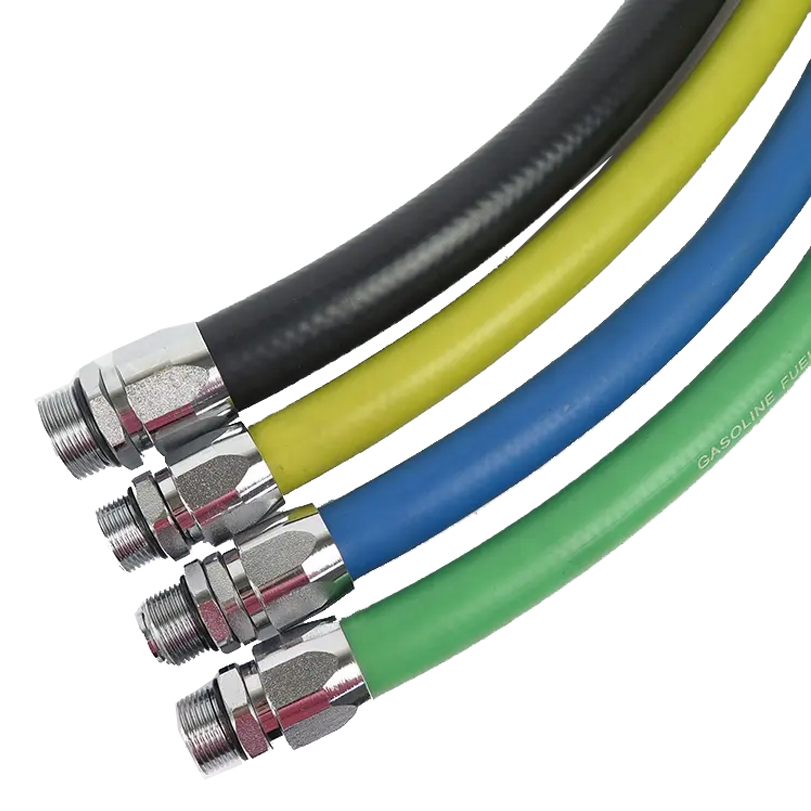
SAE 100R6 hose represents a critical component in hydraulic power transmission systems across a diverse range of industries, including construction, agriculture, mining, and manufacturing. As an OEM supplier of SAE 100R6 hose, understanding its technical nuances is paramount. This guide details the material science, manufacturing processes, performance characteristics, potential failure modes, and relevant industry standards associated with this widely used hydraulic hose. The SAE 100R6 standard defines a non-reinforced hydraulic hose designed for medium-pressure applications. A significant industry pain point lies in selecting the appropriate hose construction for a specific application, often leading to premature failure due to incompatible fluid resistance or pressure limitations. This guide aims to provide the technical depth necessary to mitigate these risks and ensure reliable system operation. Proper selection and maintenance of SAE 100R6 hose directly impact operational efficiency, minimize downtime, and enhance safety.
Material Science & Manufacturing
The core construction of SAE 100R6 hose relies on a synthetic rubber inner tube, typically comprised of nitrile rubber (NBR) due to its excellent resistance to petroleum-based hydraulic fluids. Alternative inner tube materials include styrene-butadiene rubber (SBR) for applications with less demanding fluid compatibility requirements. NBR’s chemical structure provides inherent resistance to swelling and degradation when exposed to these fluids. The reinforcement layer, while absent in the standard 100R6 specification (distinguishing it from 100R1AT and similar hoses), is crucial in higher-pressure applications. The outer cover is commonly made from chloroprene rubber (CR), known for its resistance to abrasion, weathering, ozone, and oil.
Manufacturing commences with the extrusion of the inner tube through a die, ensuring precise dimensions and uniformity. The extruded tube is then cured (vulcanized) using heat and pressure, crosslinking the polymer chains to enhance its strength, elasticity, and resistance to deformation. The outer cover is similarly extruded and cured. Key parameter control during extrusion includes maintaining consistent temperature profiles, screw speeds, and die pressures to achieve the desired wall thickness and surface finish. Critical testing during manufacturing includes hydrostatic pressure testing to verify burst strength, impulse testing to assess fatigue resistance, and fluid compatibility testing to confirm resistance to swelling and degradation. The absence of reinforcement in the 100R6 hose necessitates precise control of the rubber compound formulation and curing process to achieve the required performance characteristics. Batch traceability is essential to track material origins and manufacturing parameters for quality control and failure analysis purposes.
Performance & Engineering
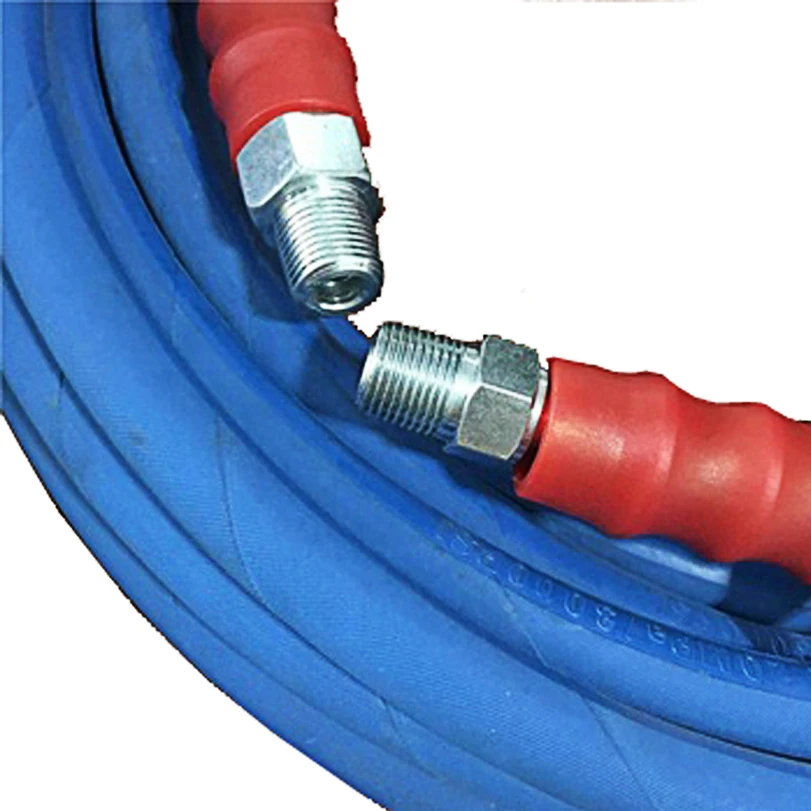
SAE 100R6 hose performance is primarily dictated by its working pressure, burst pressure, and temperature range. Working pressure, as defined by the SAE standard, is the maximum pressure the hose can withstand continuously during operation. Burst pressure represents the pressure at which the hose fails catastrophically. The standard mandates a minimum burst-to-working pressure ratio of 4:1. Temperature limits are critical as elevated temperatures can significantly reduce the hose's service life and pressure rating. Nitrile rubber typically performs optimally between -40°C and +100°C, although specific formulations can extend this range.
Force analysis in hydraulic systems highlights the importance of hose bending radius. Excessive bending induces stress concentrations in the hose wall, leading to fatigue cracking and premature failure. The SAE 100R6 standard specifies a minimum bend radius to mitigate this risk. Environmental resistance is another key consideration. Prolonged exposure to UV radiation, ozone, and harsh chemicals can degrade the rubber compounds, reducing their elasticity and strength. The outer cover material selection is therefore crucial for providing adequate protection against these environmental factors. Compliance with SAE J517 standard regarding fluid compatibility is paramount. Incorrect fluid selection can cause the inner tube to swell, soften, or degrade, leading to leakage and system failure. Proper hose routing and support are also critical engineering considerations, preventing abrasion and kinking.
Technical Specifications
| Parameter | Unit | SAE 100R6 Specification | Typical OEM Value |
|---|---|---|---|
| Working Pressure | PSI | Up to 1000 | 600-1000 |
| Burst Pressure | PSI | ≥ 4000 | 2400-4000 |
| Inner Tube Material | - | Nitrile Rubber (NBR) | NBR |
| Outer Cover Material | - | Chloroprene Rubber (CR) | CR |
| Temperature Range | °C | -40 to +100 | -40 to +100 |
| Minimum Bend Radius | inches | Varies with ID | 6-12 (depending on ID) |
Failure Mode & Maintenance
Common failure modes in SAE 100R6 hose include pinhole leaks due to abrasion or chemical attack, burst failures resulting from exceeding the working pressure, and cracking caused by fatigue or ozone degradation. Pinholes often originate in the outer cover due to contact with abrasive surfaces or exposure to incompatible chemicals. Burst failures typically occur at defects in the inner tube or at connections. Fatigue cracking manifests as small cracks in the inner tube or cover, gradually propagating under cyclic loading. Oxidative degradation can lead to hardening and cracking of the rubber compounds, particularly in prolonged exposure to UV radiation and ozone.
Preventive maintenance is crucial for extending hose service life. Regular visual inspections should be conducted to identify signs of abrasion, cracking, swelling, or leakage. Hose routing should be optimized to minimize bending stress and exposure to harsh environments. Fluid compatibility should be verified to ensure the hose material is compatible with the hydraulic fluid. Connections should be properly tightened and inspected for leaks. When replacing a hose, it's essential to use a hose that meets or exceeds the original specifications. Proper hose storage is also important, protecting hoses from direct sunlight, extreme temperatures, and ozone exposure. Failure analysis, when conducted, should involve examining the failed hose for signs of abrasion, chemical attack, fatigue cracking, and material degradation to identify the root cause and prevent future occurrences.
Industry FAQ
Q: What is the primary difference between SAE 100R6 and SAE 100R1AT hose?
A: The key difference is reinforcement. SAE 100R6 is a non-reinforced hose, suitable for lower-pressure applications. SAE 100R1AT incorporates a single steel wire braid reinforcement, providing significantly higher pressure capacity and improved burst strength. Therefore, 100R1AT is chosen for systems requiring higher hydraulic pressures or increased safety margins.
Q: How does temperature affect the working pressure of SAE 100R6 hose?
A: Elevated temperatures reduce the rubber’s tensile strength and elasticity, decreasing the hose’s ability to withstand pressure. Working pressure derating charts, provided by hose manufacturers, specify the allowable working pressure at different temperatures. Exceeding the recommended temperature and pressure limits can lead to premature failure.
Q: What fluids are incompatible with standard nitrile rubber (NBR) inner tubes?
A: NBR has limited resistance to phosphate ester-based hydraulic fluids, ketones, and strong oxidizing agents. Exposure to these fluids can cause swelling, softening, and degradation of the inner tube, leading to leakage and failure. Specialty inner tube materials, such as EPDM or Viton, are required for applications involving these fluids.
Q: What is the correct procedure for determining the minimum bend radius of an SAE 100R6 hose?
A: The minimum bend radius is typically specified by the hose manufacturer and is dependent on the hose's inner diameter (ID). It's critical to consult the manufacturer’s specifications and adhere to the recommended bend radius to prevent kinking and fatigue cracking.
Q: How can I identify early signs of hose degradation during visual inspections?
A: Look for signs of cracking (both surface and deep cracks), swelling, hardening, abrasion, oil weeping, or discoloration. Pay close attention to areas near fittings and where the hose is subjected to bending or rubbing. Any visible damage should prompt immediate hose replacement.
Conclusion
The SAE 100R6 hydraulic hose, while a foundational component in numerous applications, demands careful consideration of material properties, manufacturing processes, and operational parameters. Its suitability hinges on selecting the appropriate hose based on fluid compatibility, pressure requirements, and environmental conditions. Thorough understanding of potential failure modes and implementation of a robust preventative maintenance program are critical for ensuring reliability and longevity.
Future advancements may involve the development of novel rubber compounds with enhanced temperature resistance and chemical compatibility, further expanding the application range of SAE 100R6 hoses. Continuous monitoring of industry standards and best practices is also essential for maintaining optimal performance and safety. Ultimately, informed selection and diligent maintenance practices are the cornerstones of maximizing the service life and minimizing the total cost of ownership for this essential hydraulic component.