
Apr . 01, 2024 17:55 Back to list
oem sae100r17 suppliers Performance Analysis

Introduction
SAE 100R17 rubber hose is a critical component in hydraulic systems, primarily utilized for the conveyance of petroleum-based hydraulic fluids. OEM suppliers specializing in SAE 100R17 hoses serve a diverse range of industries including construction equipment, agricultural machinery, material handling, and industrial manufacturing. The hose’s technical position within the supply chain is characterized by stringent performance requirements dictated by SAE International standards, focusing on pressure rating, temperature resistance, and fluid compatibility. Core performance characteristics revolve around its ability to reliably transmit hydraulic power with minimal pressure drop, ensuring system efficiency and operational safety. The industry faces continuous pressure to reduce costs while maintaining, or improving, the hose’s functional life and safety margins. A key pain point is consistent quality control across different manufacturing batches and geographical suppliers, particularly concerning the integrity of the synthetic rubber compound and reinforcement layers. Furthermore, the evolving requirements for environmentally friendly hydraulic fluids demand compatible hose materials that resist degradation and maintain performance over extended service intervals. This guide provides a comprehensive technical overview for procurement managers and engineers evaluating OEM SAE 100R17 hose suppliers.
Material Science & Manufacturing
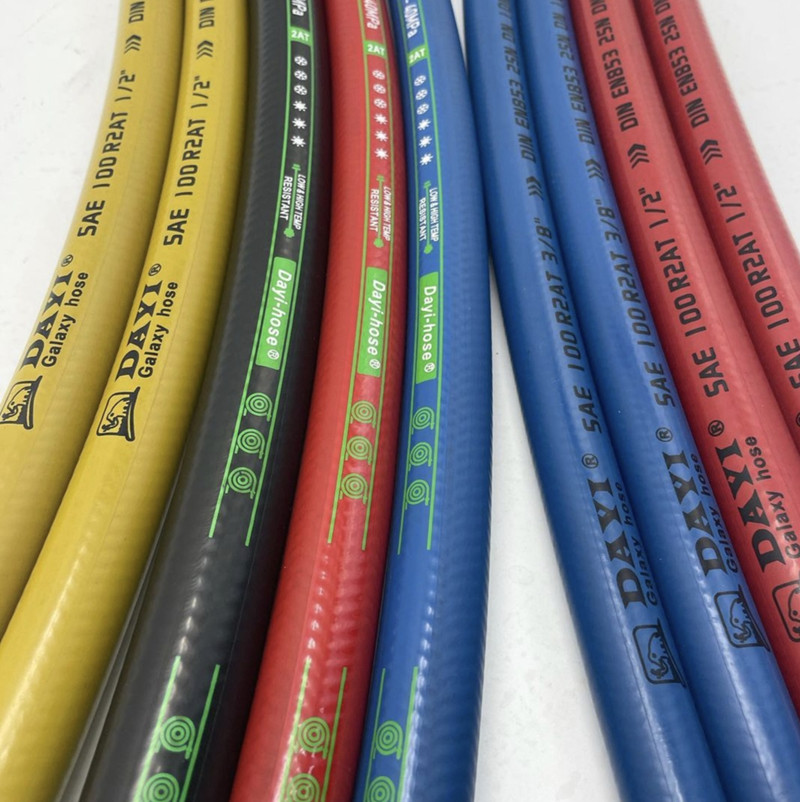
SAE 100R17 hose construction fundamentally relies on a combination of synthetic rubber and high-strength reinforcement layers. The inner tube is typically composed of a nitrile rubber (NBR) compound, selected for its excellent resistance to petroleum-based hydraulic fluids. NBR's properties – tensile strength (typically 15-25 MPa), elongation at break (300-500%), and hardness (60-70 Shore A) – are critical parameters controlling fluid impermeability and flexibility. The reinforcement layer traditionally consists of multiple spiraled steel wires, offering high tensile strength and burst pressure resistance. The number of spiral wires directly influences the working pressure rating of the hose; typically ranging from 4 to 6 layers. The outer cover is generally constructed from a Chloroprene (CR) rubber compound, providing environmental resistance – specifically, resistance to ozone, weathering, and abrasion. CR's key properties include tensile strength (12-20 MPa), elongation at break (200-400%), and resistance to degradation from UV exposure. Manufacturing processes include extrusion of the inner tube and outer cover, followed by spiral winding of the reinforcement wires. Critical parameter control during extrusion includes maintaining precise rubber compound temperatures (140-180°C) and screw speeds to ensure consistent wall thickness and material homogeneity. The winding process requires accurate tension control of the steel wires to prevent distortions and ensure uniform pressure distribution. Curing is a crucial step, typically performed at 150-170°C for a specified duration to achieve optimal rubber vulcanization and cross-linking, maximizing the material’s strength and resilience. Post-curing, rigorous quality control checks including dimensional verification, pressure testing, and material composition analysis are essential.
Performance & Engineering
Performance of SAE 100R17 hoses is heavily influenced by force analysis under operational conditions. Internal hydraulic pressure creates hoop stress within the hose wall, which must be adequately counteracted by the tensile strength of the reinforcement layers. External bending stresses, resulting from hose routing and equipment articulation, introduce additional complexities. Fatigue analysis is critical, predicting the hose’s lifespan under cyclic pressure and bending loads. Finite Element Analysis (FEA) is routinely employed to model stress distributions and identify potential failure points. Environmental resistance is paramount. Prolonged exposure to elevated temperatures (typically up to 100°C) can accelerate rubber degradation, reducing the hose’s flexibility and increasing the risk of cracking. Exposure to hydraulic fluids containing water can lead to hydrolysis of the rubber compounds, diminishing their performance. Furthermore, the hose must conform to stringent compliance requirements. SAE J517, the standard for hydraulic hose, dictates minimum performance characteristics including burst pressure, working pressure, and temperature range. Additionally, regulatory compliance such as REACH and RoHS restricts the use of hazardous substances in the hose's construction. Functional implementation requires careful consideration of hose end fitting compatibility. Crimping procedures must adhere to manufacturer specifications to ensure a secure and leak-proof connection. Improper crimping can lead to premature failure and fluid leakage, posing significant safety hazards.
Technical Specifications
| Parameter | Unit | SAE 100R17 (Typical) | Potential Supplier Variation |
|---|---|---|---|
| Working Pressure | MPa | 20.7 | 17.2 - 24.1 |
| Burst Pressure | MPa | 82.7 | 69.0 - 96.5 |
| Temperature Range | °C | -40 to +100 | -45 to +110 |
| Inner Tube Material | - | Nitrile Rubber (NBR) | NBR, Hydrogenated Nitrile Rubber (HNBR) |
| Reinforcement | Layers | 4 or 6 Spiral Steel Wire | 4-7 Spiral Steel Wire |
| Outer Cover Material | - | Chloroprene (CR) | CR, Polyurethane (PU) |
Failure Mode & Maintenance
SAE 100R17 hoses are susceptible to several failure modes in practical applications. Fatigue cracking, initiated by repeated bending and pressure cycling, is a common issue, particularly near the hose ends. Delamination, the separation of reinforcement layers from the rubber matrix, can occur due to improper bonding during manufacturing or exposure to aggressive fluids. Degradation of the rubber compounds, caused by heat, ozone, or chemical attack, leads to loss of flexibility and increased vulnerability to cracking. Oxidation of the reinforcement wires can compromise their strength, reducing the hose’s burst pressure. Pinholes, small punctures in the inner tube, can result from abrasion or foreign object damage. Maintenance solutions include regular visual inspections for signs of cracking, abrasion, or swelling. Pressure testing should be conducted periodically to verify the hose’s integrity. Proper hose routing and support are crucial to minimize bending stresses. Avoid sharp bends and ensure adequate clearance between the hose and moving parts. Replace hoses immediately if any damage is detected. Fluid filtration is essential to prevent contamination that can accelerate degradation. Furthermore, proper storage of unused hoses is vital – they should be stored in a cool, dry, and dark environment, away from ozone sources and direct sunlight. Consider implementing a hose management program to track hose age, usage, and maintenance history.
Industry FAQ
Q: What is the impact of using non-petroleum based hydraulic fluids (e.g., water glycol) with SAE 100R17 hoses?
A: Standard SAE 100R17 hoses utilizing NBR inner tubes are not generally compatible with water glycol fluids. Water glycol causes swelling and degradation of NBR, leading to reduced performance and premature failure. Specialized hoses with inner tubes made from materials like Ester Polyurethane or Fluorocarbon (FKM) are required for compatibility with these fluids. Always verify fluid compatibility with the hose manufacturer before use.
Q: How does the number of spiral wire reinforcement layers affect the hose's performance?
A: Increasing the number of spiral wire reinforcement layers directly increases the hose’s working pressure and burst pressure ratings. Each layer contributes to the tensile strength of the hose, enabling it to withstand higher internal pressures. However, increasing the reinforcement also reduces the hose's flexibility, potentially impacting its suitability for applications with tight bends.
Q: What are the key considerations when selecting hose end fittings for SAE 100R17 hoses?
A: Fittings must be specifically designed for SAE 100R17 hoses and crimped according to the manufacturer’s specifications. Using incorrect fittings or improper crimping procedures can lead to leakage, hose blow-out, and safety hazards. The fitting material must be compatible with the hydraulic fluid and the hose’s operating temperature.
Q: What is the typical service life of an SAE 100R17 hose in a well-maintained hydraulic system?
A: The service life varies depending on operating conditions, including pressure, temperature, fluid type, and exposure to environmental factors. Under ideal conditions, an SAE 100R17 hose can last 5-7 years. However, regular inspections and preventative maintenance are crucial to maximize its lifespan and ensure safety.
Q: What quality control measures should I look for in an OEM SAE 100R17 supplier?
A: Look for suppliers with ISO 9001 certification, demonstrating a commitment to quality management. Inquire about their testing procedures, including burst pressure testing, impulse testing, and material composition analysis. Request documentation verifying compliance with SAE J517 standards. Furthermore, assess their traceability systems to ensure accountability and identify the source of any potential issues.
Conclusion
The SAE 100R17 hydraulic hose remains a cornerstone of numerous industrial applications, demanding a rigorous understanding of material science, manufacturing processes, and performance characteristics. Selecting a reliable OEM supplier necessitates a thorough evaluation of their quality control procedures, material compatibility expertise, and adherence to industry standards. Consistent attention to preventative maintenance, proper hose handling, and the implementation of comprehensive hose management programs are crucial for maximizing operational lifespan and ensuring system safety.
Looking ahead, advancements in rubber technology and reinforcement materials will likely drive improvements in hose performance, durability, and environmental compatibility. The increasing demand for sustainable hydraulic fluids will necessitate the development of specialized hose constructions that can withstand the unique challenges posed by these new formulations. Collaboration between hose manufacturers, equipment OEMs, and end-users will be essential to navigate these evolving requirements and optimize hydraulic system performance.

