
Apr . 01, 2024 17:55 Back to list
oem sae100r17 manufacturers Performance Analysis
Introduction
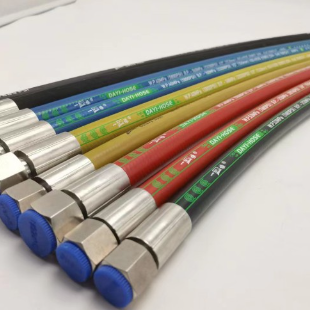
SAE 100R17 hose represents a critical component in hydraulic systems across a diverse range of industries, including construction, agriculture, manufacturing, and transportation. These hoses are specifically designed for the conveyance of hydraulic fluid under high pressure, typically employed in applications requiring robustness and reliability. As OEM (Original Equipment Manufacturer) suppliers of SAE 100R17 hose, manufacturers operate within a complex supply chain, adhering to stringent performance standards and fulfilling specific customer requirements. This guide provides an in-depth analysis of SAE 100R17 hose, covering material science, manufacturing processes, performance characteristics, failure modes, and relevant industry standards. The core pain point for both hose manufacturers and end-users lies in ensuring consistent performance, mitigating potential failure points, and complying with evolving safety regulations, particularly concerning fluid compatibility and burst pressure.
Material Science & Manufacturing
SAE 100R17 hose construction typically involves four key layers: the inner tube, reinforcement layers, and the outer cover. The inner tube is commonly composed of a synthetic rubber compound, typically nitrile (NBR) or chloroprene (CR), selected for their resistance to hydraulic fluids. NBR offers excellent resistance to petroleum-based fluids, while CR provides superior resistance to weathering and ozone. Reinforcement is crucial for withstanding high pressures and comprises multiple layers of high-tensile steel wire, precisely wound in a helical pattern. The number and diameter of these wires directly correlate to the hose’s working and burst pressures. The outer cover, typically made of synthetic rubber such as polyurethane or a stabilized nitrile compound, provides abrasion resistance, weather protection, and chemical compatibility.
Manufacturing processes commence with the extrusion of the inner tube to precise dimensions. The steel wire reinforcement is then spirally wound onto the inner tube under controlled tension. Precise control of winding tension is critical; insufficient tension compromises burst strength, while excessive tension can lead to distortion and early failure. The outer cover is subsequently extruded over the reinforced inner tube. Post-extrusion, the hose undergoes a curing process, involving controlled heating and pressure to vulcanize the rubber compounds and establish the final physical and chemical properties. Key parameters monitored during manufacturing include rubber compound viscosity, extrusion temperature, winding tension, curing temperature, and curing time. Skiving operations are employed to create precise angled ends, facilitating secure fitting connections. Quality control throughout the process involves rigorous dimensional checks, pressure testing (to 1.5 times working pressure), and impulse testing to simulate dynamic fluid flow conditions.

Performance & Engineering
The performance of SAE 100R17 hose is primarily defined by its pressure rating, temperature range, and fluid compatibility. The working pressure, as specified by SAE standards, represents the maximum continuous operating pressure at a given temperature. Burst pressure, typically four times the working pressure, signifies the point of catastrophic failure. Force analysis dictates that stress concentration occurs at the hose ends and around any imperfections in the reinforcement layers. Therefore, proper fitting selection and installation are critical to preventing premature failure. Environmental resistance is paramount; exposure to UV radiation, ozone, and extreme temperatures can degrade the rubber compounds, reducing their flexibility and strength.
Engineering considerations also encompass impulse testing, which simulates the pulsating nature of hydraulic systems. Repeated pressure surges can induce fatigue failure in the reinforcement layers. SAE 100R17 hoses must meet specific impulse cycle ratings to ensure long-term reliability. Compliance requirements vary by region, but generally involve adherence to SAE J517, which specifies performance criteria for hydraulic hoses. Functional implementation requires careful selection of hose length, diameter, and end fittings based on system requirements. Bend radius is another critical parameter; exceeding the minimum bend radius can induce kinking and restrict fluid flow.
Technical Specifications
| Parameter | Unit | SAE 100R17 Specification | Typical OEM Range |
|---|---|---|---|
| Working Pressure | PSI | Up to 2,250 | 1,000 – 2,250 |
| Burst Pressure | PSI | Minimum 4 x Working Pressure | 4,000 – 9,000 |
| Temperature Range | °F | -40 to +212 | -40 to +248 (Special Compounds) |
| Inner Tube Material | - | NBR, CR | NBR, CR, EPDM |
| Reinforcement | Layers | Multiple Steel Wire Spiral | 4 – 6 Layers |
| Outer Cover Material | - | Polyurethane, Nitrile | Polyurethane, Abrasion-Resistant Nitrile |
Failure Mode & Maintenance
Common failure modes in SAE 100R17 hose include burst failure due to exceeding pressure limits, fatigue cracking caused by repeated pressure pulses, abrasion damage to the outer cover, and fluid degradation of the inner tube. Burst failure typically originates at weak points in the reinforcement layers or at the hose ends. Fatigue cracking often initiates at areas of stress concentration, such as around fittings or kinks. Abrasion damage compromises the protective function of the outer cover, exposing the reinforcement layers to corrosion. Fluid degradation, caused by incompatibility between the hydraulic fluid and the inner tube material, leads to swelling, softening, and eventual failure.
Preventive maintenance is crucial for extending hose life. Regular visual inspections should be conducted to identify signs of abrasion, cracking, or swelling. Proper routing and support are essential to prevent kinking and abrasion. Hose assemblies should be replaced periodically, based on manufacturer recommendations and operating conditions. When replacing hoses, it's vital to use compatible fittings and ensure proper crimping to prevent leakage and premature failure. Fluid analysis can identify contaminants or degradation products that may compromise hose performance. Consider using hose guards or protective sleeves in areas prone to abrasion. Maintaining system pressure within specified limits is paramount to preventing burst failures.
Industry FAQ
Q: What is the impact of using an incorrect hydraulic fluid with SAE 100R17 hose?
A: Using an incompatible hydraulic fluid can cause the inner tube to swell, soften, or degrade, leading to leakage and eventual hose failure. Different fluids have varying chemical compositions, and some can react negatively with the rubber compounds used in the inner tube. Always consult the hose manufacturer's compatibility chart to ensure the fluid is suitable.
Q: How does temperature affect the performance of SAE 100R17 hose?
A: Extreme temperatures can significantly impact hose performance. High temperatures accelerate rubber degradation, reducing flexibility and strength. Low temperatures can cause the rubber to become brittle and more susceptible to cracking. Operating outside the specified temperature range reduces the hose’s service life and increases the risk of failure.
Q: What are the best practices for installing SAE 100R17 hose assemblies?
A: Proper installation is crucial. Ensure the hose is routed correctly to avoid kinking or abrasion. Use compatible fittings of the correct size and crimp them securely. Avoid over-tightening fittings. Maintain the minimum bend radius specified by the manufacturer. Inspect the hose assembly for damage before installation.
Q: What is the significance of impulse testing for SAE 100R17 hose?
A: Impulse testing simulates the pulsating flow of hydraulic fluid, which creates cyclic stresses in the hose. This testing verifies the hose’s ability to withstand repeated pressure surges without fatigue failure. A high impulse cycle rating indicates greater durability and reliability in dynamic applications.
Q: What are the key differences between various outer cover materials (e.g., polyurethane vs. nitrile)?
A: Polyurethane offers superior abrasion resistance and cut resistance compared to nitrile. Nitrile provides better oil resistance and lower cost. The choice of outer cover material depends on the specific application and the expected exposure to abrasive or corrosive environments.
Conclusion
SAE 100R17 hose remains a cornerstone of hydraulic power transmission across numerous industries. Successful OEM manufacturing demands a thorough understanding of material science, precise control of manufacturing processes, and adherence to stringent performance standards. Proper material selection, precise reinforcement winding, and robust outer cover construction are essential for ensuring long-term reliability and preventing premature failure.
The increasing emphasis on safety and environmental responsibility necessitates continued innovation in hose design and materials. Future developments may focus on lighter-weight materials, improved fluid compatibility, and enhanced abrasion resistance. Proactive maintenance practices, coupled with a comprehensive understanding of potential failure modes, are critical for maximizing the service life and minimizing downtime of hydraulic systems utilizing SAE 100R17 hose.