
Apr . 01, 2024 17:55 Back to list
oem sae100r17 factories Technical Analysis
Introduction
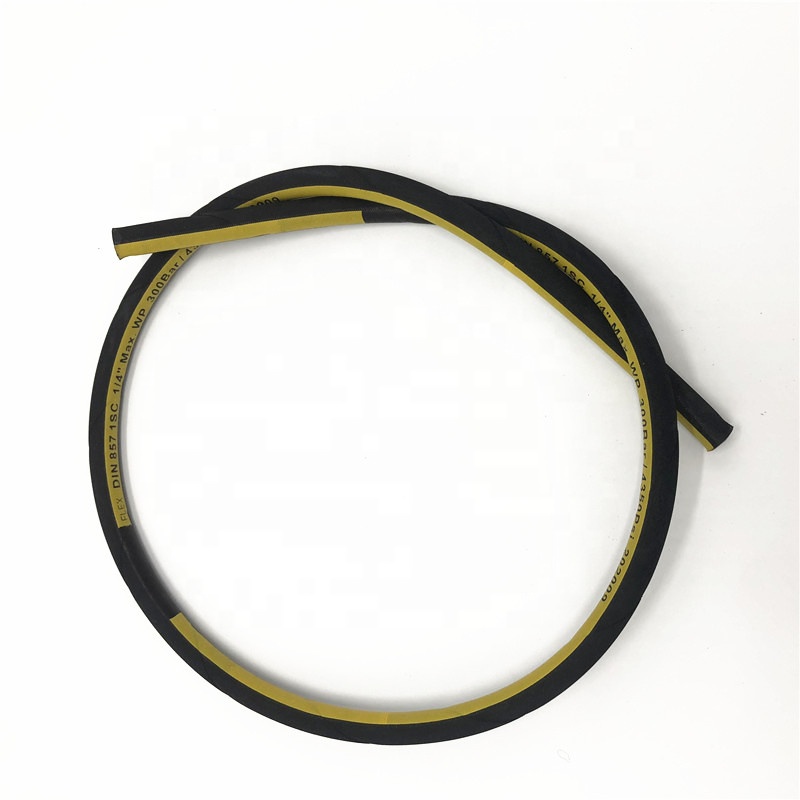
SAE 100R17 hose, a critical component in hydraulic systems across diverse industries, represents a standardized specification for non-reinforced hydraulic hose. OEMs specializing in SAE 100R17 manufacture are foundational to sectors including construction, agriculture, material handling, and industrial machinery. This guide provides an in-depth technical overview of SAE 100R17 hose, encompassing material science, manufacturing processes, performance characteristics, potential failure modes, and relevant industry standards. The core pain point for procurement and engineering teams lies in ensuring consistent quality, compatibility with operating fluids, and adherence to safety regulations. Failure to address these aspects can lead to catastrophic system failures, costly downtime, and safety hazards. This document aims to mitigate those risks by providing a comprehensive technical resource for evaluating and sourcing SAE 100R17 hose from OEM factories.
Material Science & Manufacturing
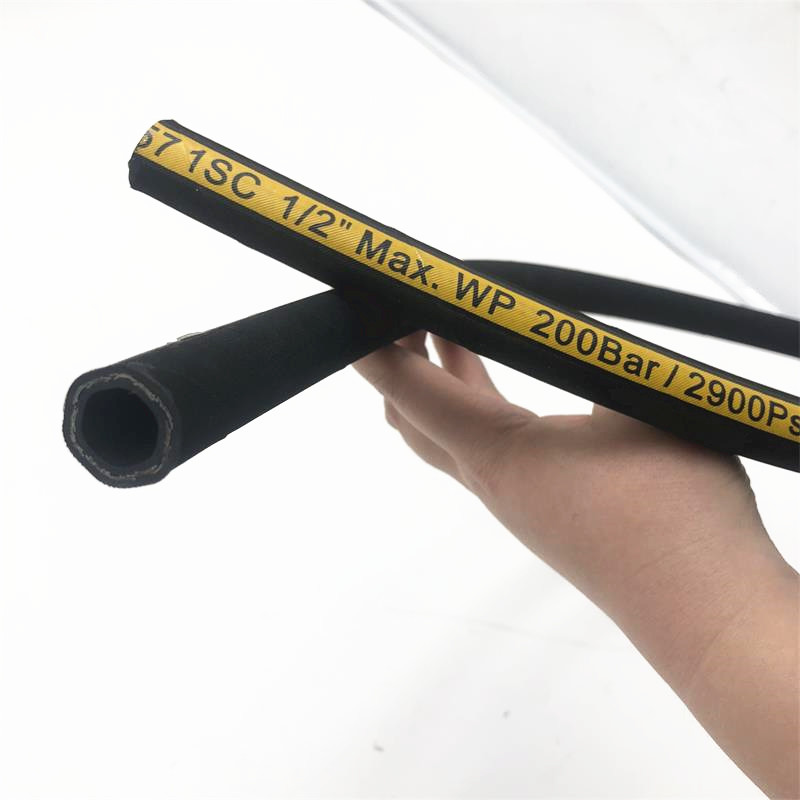
SAE 100R17 hose construction primarily utilizes a synthetic rubber inner tube, typically composed of nitrile rubber (NBR), also known as Buna-N, due to its excellent resistance to petroleum-based hydraulic fluids. NBR exhibits a temperature range of -40°C to 121°C (-40°F to 250°F), though specific formulations can extend these limits. The reinforcement layer, absent in the 100R17 specification, distinguishes it from higher-pressure hose types. The cover is generally constructed from Chloroprene rubber (CR), offering resistance to abrasion, ozone, and weathering. The manufacturing process involves several critical stages: compound mixing, extrusion of the inner tube and cover, calendaring of the cover material, and final assembly. Precise control of mixing ratios, extrusion temperatures, and curing times is paramount. NBR compound viscosity directly impacts extrusion quality and dimensional accuracy. The curing process, typically utilizing sulfur-based systems, dictates the final rubber properties such as tensile strength, elongation at break, and hardness (measured via Shore A durometer). Variations in sulfur levels or accelerator types can dramatically alter the aging characteristics and fluid resistance of the hose. Quality control during the extrusion process includes continuous dimensional checks and periodic destructive testing to verify mechanical properties.
Performance & Engineering
SAE 100R17 hose is rated for a maximum working pressure (MWP) of 100 bar (1450 psi). This rating is determined through burst pressure testing, where the hose is pressurized to four times the MWP until failure. The hose’s performance is directly influenced by operating temperature and fluid compatibility. Elevated temperatures reduce tensile strength and increase the rate of degradation. Compatibility with the hydraulic fluid is crucial; improper fluid selection can cause swelling, softening, or cracking of the rubber compounds. Force analysis considers both internal pressure and external bending stresses. Repeated bending cycles induce fatigue, leading to cracking and eventual failure. The bend radius is a critical design parameter, with smaller bend radii increasing stress concentration. Compliance with SAE J517 standard is mandatory, outlining the performance requirements and testing procedures for hydraulic hose. Furthermore, OEMs must consider environmental factors such as UV exposure, ozone concentration, and exposure to corrosive substances. Proper cover formulation mitigates these effects, extending the hose’s service life. Engineering considerations also include the selection of appropriate end fittings, ensuring a secure and leak-proof connection. Fittings must be compatible with the hose material and rated for the same MWP.
Technical Specifications
| Parameter | Unit | Specification (Typical) | Test Standard |
|---|---|---|---|
| Maximum Working Pressure (MWP) | bar/psi | 100 bar / 1450 psi | SAE J517 |
| Burst Pressure | bar/psi | 400 bar / 5800 psi | SAE J517 |
| Inner Tube Material | - | Nitrile Rubber (NBR) | ASTM D2000 |
| Cover Material | - | Chloroprene Rubber (CR) | ASTM D2000 |
| Temperature Range | °C / °F | -40°C to +121°C / -40°F to +250°F | SAE J517 |
| Tensile Strength (Inner Tube) | MPa | >17.2 | ASTM D412 |
Failure Mode & Maintenance
Common failure modes in SAE 100R17 hose include pinhole leaks due to abrasion or chemical attack, cracking caused by ozone degradation or fatigue, and blowouts resulting from exceeding the MWP or burst pressure. Fatigue cracking typically initiates at the inner tube surface and propagates through the material due to repeated bending. Ozone cracking manifests as surface fissures, particularly in the cover material. Chemical attack can lead to swelling, softening, or complete dissolution of the rubber compounds, resulting in a loss of structural integrity. Failure analysis often involves visual inspection, microscopic examination of fracture surfaces, and chemical analysis of the rubber compounds. Preventative maintenance includes regular visual inspections for signs of damage, proper hose routing to avoid abrasion, and periodic replacement based on service life and operating conditions. Hose should be replaced immediately if any signs of damage are detected. Furthermore, proper fluid maintenance is critical; contaminated fluids can accelerate hose degradation. Avoid sharp bends and excessive twisting, as these stresses can induce premature failure. Storage should be in a cool, dry, and dark environment to minimize degradation from UV exposure and ozone.
Industry FAQ
Q: What is the impact of using an incompatible hydraulic fluid with SAE 100R17 hose?
A: Utilizing an incompatible hydraulic fluid can lead to severe degradation of the hose materials. Phosphate ester fluids, for example, are incompatible with NBR and can cause significant swelling and softening, drastically reducing the hose's pressure rating and service life. Similarly, certain synthetic fluids can attack the CR cover, leading to cracking and loss of protective properties. Always verify fluid compatibility with the hose manufacturer's specifications.
Q: How does temperature affect the performance of SAE 100R17 hose?
A: Both high and low temperatures can negatively impact performance. Elevated temperatures reduce the tensile strength and elongation at break of the rubber compounds, decreasing the hose’s ability to withstand pressure. Low temperatures can cause the rubber to become brittle, increasing the risk of cracking upon bending. Maintaining operating temperatures within the specified range (-40°C to +121°C) is crucial for optimal performance.
Q: What is the acceptable bend radius for SAE 100R17 hose?
A: The minimum bend radius is generally specified by the hose manufacturer, but a common guideline is at least 4 times the hose ID. Exceeding this limit creates excessive stress concentration, leading to premature fatigue cracking. Proper hose routing and support are essential to maintain the specified bend radius.
Q: What are the typical causes of hose blowouts in hydraulic systems utilizing SAE 100R17?
A: Hose blowouts are often caused by exceeding the maximum working pressure (MWP) or burst pressure. Other contributing factors include internal damage from corrosion or abrasion, fatigue cracking due to repeated bending, and improper installation of end fittings. Regular inspections and preventative maintenance are vital to identify and address potential issues before they lead to a catastrophic failure.
Q: How often should SAE 100R17 hose be replaced in a typical industrial application?
A: The replacement frequency depends on operating conditions and the severity of the application. A general guideline is to replace the hose every 3-5 years, or sooner if any signs of damage are observed. Factors such as exposure to harsh environments, frequent bending, and high operating pressures will necessitate more frequent replacement. Maintaining a detailed hose replacement schedule is recommended.
Conclusion
SAE 100R17 hose represents a fundamental building block in countless hydraulic systems. Understanding its material properties, manufacturing processes, and performance limitations is crucial for ensuring safe and reliable operation. Proper selection, installation, and maintenance are paramount to maximizing service life and preventing catastrophic failures. OEMs specializing in SAE 100R17 hose must prioritize consistent quality control and adherence to industry standards to meet the demanding requirements of diverse industrial applications.
Future developments in rubber technology may focus on enhancing the chemical resistance and temperature range of SAE 100R17 hose materials. Furthermore, advancements in non-destructive testing methods could enable more accurate assessment of hose condition and remaining service life. By continuously improving material science and manufacturing techniques, the industry can further enhance the safety, reliability, and efficiency of hydraulic systems utilizing this essential component.