
Apr . 01, 2024 17:55 Back to list
oem sae100r15 supplier Performance Analysis
Introduction
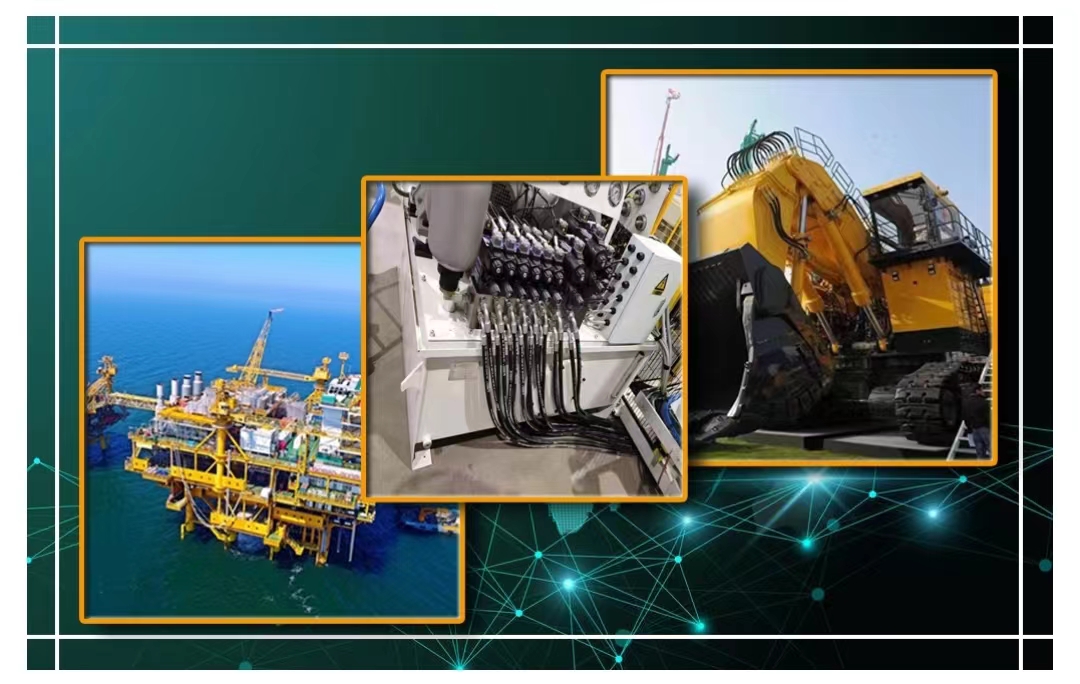
SAE 100R15 non-reinforced hydraulic hose represents a crucial component in fluid power systems across diverse industries including construction, agriculture, material handling, and manufacturing. It’s characterized by its synthetic rubber tube, multiple steel wire reinforcement layers, and a weather-resistant outer cover, designed for the conveyance of hydraulic oil. As an OEM supplier of SAE 100R15, adherence to stringent manufacturing standards and consistent material properties are paramount to ensure system reliability and prevent catastrophic failures. The primary function of this hose is to transmit hydraulic power, and its performance directly impacts the efficiency and safety of the entire system. The core industry pain point revolves around achieving consistently high burst pressures, maintaining flexibility in varying temperature conditions, and ensuring long-term resistance to fluid degradation and environmental factors. This guide will provide an in-depth technical overview of SAE 100R15 hose construction, performance characteristics, potential failure modes, and relevant industry standards.
Material Science & Manufacturing
The SAE 100R15 hose comprises three primary material layers: the inner tube, the reinforcement, and the outer cover. The inner tube is typically constructed from a synthetic rubber compound, most commonly nitrile rubber (NBR) due to its excellent resistance to petroleum-based hydraulic fluids. Ethylene propylene diene monomer (EPDM) is also utilized for applications requiring compatibility with phosphate ester fluids. NBR’s physical properties, including tensile strength (typically 15-25 MPa) and elongation at break (200-400%), dictate its ability to withstand internal pressure and maintain sealing integrity. Manufacturing involves extrusion of the rubber compound through a die, followed by vulcanization – a process utilizing heat and pressure to cross-link the polymer chains, enhancing strength and elasticity. The reinforcement layer consists of multiple spirals of high-strength steel wire. Wire gauge and spiral pitch are critical parameters influencing burst pressure and flexibility. Steel selection is crucial; high-carbon steel wire with surface treatments for corrosion resistance is standard. The outer cover provides environmental protection and abrasion resistance. Common materials include chloroprene rubber (CR) due to its excellent ozone and weather resistance. Manufacturing involves wrapping the reinforcement around the inner tube, followed by the extrusion of the outer cover. Precise control of temperature, pressure, and curing time during vulcanization is essential to ensure proper adhesion between layers and achieve the desired mechanical properties. Post-manufacturing quality control includes hydrostatic pressure testing to verify burst strength and dimensional inspection to ensure conformance to SAE specifications.
Performance & Engineering
SAE 100R15 hose performance is dictated by its ability to withstand internal pressure, external damage, and environmental stresses. Force analysis involves calculating hoop stress within the hose wall under internal pressure, directly proportional to the burst pressure rating. Burst pressure is typically tested hydrostatically to a minimum of 3:1 safety factor based on working pressure. Flexibility is another critical performance characteristic, assessed by bend radius and spring constant. A smaller bend radius indicates greater flexibility, crucial for applications with tight routing constraints. Temperature resistance is vital, as hydraulic fluid viscosity and rubber elasticity are temperature-dependent. SAE 100R15 hoses are typically rated for operating temperatures ranging from -40°C to +100°C. Compliance requirements mandate adherence to SAE J517 standard, specifying dimensional tolerances, performance requirements, and testing procedures. Furthermore, hoses intended for use in specific industries (e.g., mining) may need to meet additional standards related to fire resistance or chemical compatibility. Engineering considerations include proper hose fitting selection to ensure a leak-proof seal and prevent premature failure. Fittings must be compatible with the hose material and pressure rating, and should be crimped according to the manufacturer’s specifications. Incorrect crimping can lead to localized stress concentrations and eventual failure. Long-term performance is affected by fluid compatibility, ensuring the rubber compound does not swell or degrade upon contact with the hydraulic fluid. Exposure to UV radiation, ozone, and abrasive materials can also accelerate degradation of the outer cover.
Technical Specifications
| Parameter | Unit | SAE 100R15 Specification | Typical OEM Supplier Range |
|---|---|---|---|
| Working Pressure | MPa | Minimum 20.7 | 21 – 28 |
| Burst Pressure | MPa | Minimum 62.0 | 63 – 84 |
| Temperature Range | °C | -40 to +100 | -45 to +120 |
| Inner Tube Material | - | Nitrile Rubber (NBR) | NBR, EPDM |
| Reinforcement | Layers | Multiple Steel Wire Spirals | 4 - 6 Spirals |
| Outer Cover Material | - | Chloroprene Rubber (CR) | CR, Polyurethane |
Failure Mode & Maintenance
SAE 100R15 hoses are susceptible to various failure modes, primarily categorized as pressure-related, environmental, and mechanical. Pressure-related failures include burst due to exceeding the working pressure, or gradual weakening due to fatigue cracking from repeated pressure cycles. Fatigue cracking initiates at stress concentrations, often near fittings or hose defects. Environmental degradation can manifest as rubber swelling, cracking, or hardening due to exposure to incompatible fluids, ozone, UV radiation, or extreme temperatures. Mechanical damage includes abrasion of the outer cover, kinking due to excessive bending, and impact damage from external objects. Internal hose degradation can also occur due to contamination of the hydraulic fluid, leading to erosion or corrosion of the inner tube. Preventative maintenance is crucial to extending hose life and preventing failures. Regular visual inspections should be conducted to identify signs of cracking, abrasion, swelling, or leaks. Hose twist should be avoided during installation and operation. Hydraulic fluid should be regularly analyzed for contamination and replaced as needed. Hose routing should minimize bending and exposure to harsh environments. When replacing a hose, always use the correct fitting size and crimp specification. Proper storage of hoses is also important; they should be stored in a cool, dry place away from direct sunlight and ozone sources. Documenting inspection and maintenance activities is essential for tracking hose performance and identifying potential issues proactively.
Industry FAQ
Q: What is the significance of the steel wire spiral construction in SAE 100R15 hoses?
A: The steel wire spiral reinforcement is the primary factor determining the hose's pressure-withstanding capability. The number of spirals and the wire gauge directly correlate with burst pressure. The spiral construction also provides flexibility, allowing the hose to bend without kinking or collapsing under pressure. The steel wire must be of a specific high-carbon steel grade and often treated to resist corrosion, ensuring structural integrity over the hose's lifespan.
Q: How does temperature affect the performance of an SAE 100R15 hose?
A: Temperature impacts both the rubber compound and the hydraulic fluid. High temperatures can accelerate rubber degradation, reducing its elasticity and increasing the risk of cracking. Low temperatures can reduce rubber flexibility, making the hose more susceptible to kinking. Fluid viscosity changes with temperature, impacting flow rate and system efficiency. The SAE 100R15 specification defines the operating temperature range within which the hose will maintain its performance characteristics.
Q: What types of hydraulic fluids are compatible with standard SAE 100R15 hoses?
A: Standard SAE 100R15 hoses utilizing NBR inner tubes are generally compatible with most petroleum-based hydraulic fluids. However, compatibility must be verified with specific fluid formulations, especially synthetic fluids. For phosphate ester fluids, hoses with EPDM inner tubes are required. Incompatibility can lead to swelling, softening, or cracking of the inner tube, resulting in leakage and failure.
Q: What is the proper crimping procedure for SAE 100R15 hose fittings?
A: Proper crimping is critical for ensuring a leak-proof seal and preventing premature failure. The crimping process must be performed using a calibrated crimping machine and the correct die set specified by the fitting manufacturer. Undercrimping can result in leakage, while overcrimping can damage the hose reinforcement. Following the fitting manufacturer’s instructions precisely is essential.
Q: How can I identify potential failure points during a visual inspection of an SAE 100R15 hose?
A: Look for signs of cracking, abrasion, swelling, discoloration, or leaks. Pay close attention to areas near fittings, bends, and points of contact with other components. Check for any bulges or distortions in the hose wall. A hose that feels unusually stiff or pliable may indicate internal degradation. Any detected damage warrants immediate replacement of the hose.
Conclusion
The SAE 100R15 hydraulic hose, as a critical component in numerous hydraulic systems, demands a thorough understanding of its material science, manufacturing processes, and performance characteristics. Maintaining consistent adherence to SAE J517 standards and diligent quality control during manufacturing are paramount for ensuring reliable operation and minimizing the risk of failure. Effective preventative maintenance, including regular inspections and proper fluid management, plays a vital role in extending hose life and preventing costly downtime.
As hydraulic systems continue to evolve with increasing demands for higher pressures and more challenging operating environments, ongoing advancements in hose materials and manufacturing techniques will be crucial. Future developments may focus on enhancing abrasion resistance, improving temperature stability, and reducing weight. A commitment to continuous improvement and a deep understanding of the underlying technical principles will be essential for OEM suppliers to meet the evolving needs of the industry.

