
Apr . 01, 2024 17:55 Back to list
oem sae100r15 manufacturers Performance Analysis

Introduction
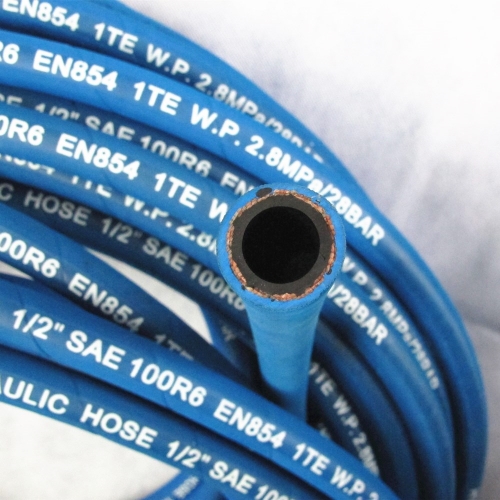
SAE 100R15 hose represents a critical component in hydraulic fluid power systems, defined by the Society of Automotive Engineers (SAE) standard J517. These hoses are primarily employed for the transmission of hydraulic oil, fuel, and lubricating fluids in mobile and industrial applications. OEM SAE 100R15 manufacturers occupy a vital position within the broader industrial supply chain, serving sectors such as construction equipment, agricultural machinery, material handling, and automotive production. The hose consists of a synthetic rubber inner tube, multiple layers of high-tensile steel wire reinforcement, and a weather and abrasion-resistant synthetic rubber cover. Core performance characteristics center around pressure rating (typically up to 1000 psi), temperature resistance (-40°C to +100°C), and fluid compatibility. A key pain point for end-users is premature hose failure due to improper specification for the operating environment, leading to costly downtime and safety concerns. This guide provides an in-depth analysis of SAE 100R15 hose, covering material science, manufacturing processes, performance parameters, failure modes, and relevant industry standards.
Material Science & Manufacturing
The SAE 100R15 hose construction relies on a precise interplay of materials. The inner tube is typically composed of nitrile rubber (NBR) due to its excellent resistance to petroleum-based hydraulic fluids. However, alternatives like ethylene propylene diene monomer (EPDM) are utilized when compatibility with phosphate ester-based fluids is required. NBR exhibits a temperature range of -40°C to +120°C, with a Shore A hardness typically between 60-80. The reinforcement layers are crucial for withstanding high pressures. These consist of multiple spiraled, high-tensile steel wires, typically drawn from steel grades like AISI 1006 or similar, offering a tensile strength exceeding 1770 MPa. The wire is treated with an adhesion promoter to ensure robust bonding with both the inner tube and the cover. The outer cover is commonly made of chloroprene rubber (CR), known for its exceptional resistance to abrasion, ozone, and weathering. CR provides a working temperature range of -40°C to +100°C.
Manufacturing involves several critical stages. The inner tube is extruded through a die to achieve the required diameter and wall thickness. The steel wire is simultaneously spiraled around the tube using a specialized winding machine, meticulously controlling the pitch and tension of the wire. Adhesion promoters are applied prior to winding to enhance bonding. A subsequent extrusion process applies the outer cover, encapsulating the reinforcement layers. Curing is a vital step, typically utilizing steam or hot air vulcanization to crosslink the rubber compounds, enhancing their mechanical properties and chemical resistance. Critical parameters during curing include temperature, pressure, and time; deviations can lead to incomplete vulcanization and compromised performance. Post-curing, the hose undergoes rigorous testing, including hydrostatic pressure testing, impulse testing, and bend radius testing, to ensure compliance with SAE J517 standards. Precise control of extrusion parameters (temperature, screw speed) and curing cycles are paramount to ensure consistent quality and performance.
Performance & Engineering
The performance of SAE 100R15 hose is dictated by several engineering considerations. Force analysis centers on hoop stress within the hose wall, directly proportional to the internal pressure and hose diameter. The steel wire reinforcement layers are engineered to withstand these stresses, preventing burst failures. Fatigue analysis is critical, particularly in applications involving pulsating flow. The cyclic loading induces stress variations that can lead to fatigue cracking over time. Manufacturers employ sophisticated finite element analysis (FEA) to model stress distributions and optimize reinforcement layer configuration. Environmental resistance is a key concern. Exposure to extreme temperatures (both high and low) can affect the flexibility and strength of the rubber compounds. Furthermore, exposure to ozone, UV radiation, and various chemicals can lead to degradation. The CR cover provides a significant degree of protection against these environmental factors, but the inner tube material must also be compatible with the conveyed fluid. Compliance with SAE J517 necessitates adherence to specific test procedures, including burst pressure testing (to 3x working pressure), impulse testing (simulating pulsating flow), and temperature resistance testing. Proper hose assembly with compatible fittings is crucial for optimal performance and safety. Incorrect fitting selection or improper crimping can significantly reduce the hose's pressure rating and lifespan.
Technical Specifications
| Parameter | Unit | Typical Value (SAE 100R15) | Test Method |
|---|---|---|---|
| Working Pressure | psi | 1000 | SAE J517 |
| Burst Pressure | psi | 3000 | SAE J517 |
| Temperature Range | °C | -40 to +100 | SAE J517 |
| Inner Tube Material | - | Nitrile Rubber (NBR) / EPDM | ASTM D2000 |
| Reinforcement | Layers | Multiple Spiraled Steel Wire | SAE J517 |
| Cover Material | - | Chloroprene Rubber (CR) | ASTM D2000 |
Failure Mode & Maintenance
SAE 100R15 hose failure can manifest in several forms. Fatigue cracking, particularly at the crimp junctions or around bends, is a common failure mode due to repeated flexing and pressure cycling. This is often initiated by microscopic defects in the steel wire or the rubber compound. Another failure mode is abrasion of the outer cover, leading to exposure of the reinforcement layers and subsequent corrosion. Chemical degradation of the inner tube can occur if the hose is used with fluids incompatible with the rubber material, resulting in swelling, softening, and eventual failure. Oxidation of the rubber compounds, accelerated by exposure to high temperatures and ozone, can lead to hardening and cracking. Delamination, or separation of the rubber layers from the reinforcement, can occur due to inadequate adhesion or exposure to extreme temperatures.
Preventative maintenance is crucial for extending hose lifespan. Regular visual inspections should be conducted to identify signs of abrasion, cracking, or swelling. Hose assemblies should be replaced if any damage is detected. Proper routing and support are essential to prevent excessive bending and abrasion. Avoid sharp bends and ensure adequate clearance from moving parts. Fluid compatibility should be verified before use. Regularly check fluid levels and ensure the system is free of contaminants. When replacing hoses, use only compatible fittings and ensure proper crimping procedures are followed. Store hoses in a cool, dry, and dark place, away from direct sunlight and ozone sources. Documenting hose installation dates and operating conditions can help track performance and identify potential issues.
Industry FAQ
Q: What is the impact of fluid velocity on the lifespan of an SAE 100R15 hose?
A: Higher fluid velocities increase the intensity of pressure pulsations and localized turbulence, accelerating fatigue failure. Excessive velocity can also cause erosion of the inner tube material. Therefore, it's crucial to design hydraulic systems to maintain fluid velocities within the recommended range (typically 5-15 ft/s) and select hoses with appropriate impulse ratings.
Q: How does the selection of fitting material affect hose performance?
A: Incompatible fitting materials can cause galvanic corrosion, particularly in the presence of moisture. Carbon steel fittings are generally suitable for carbon steel reinforcement wires. However, stainless steel fittings are preferred when conveying corrosive fluids or operating in harsh environments. Proper crimping ensures a secure connection between the hose and fitting, maximizing pressure rating and preventing leakage.
Q: What are the common causes of hose kinking, and how can it be prevented?
A: Kinking occurs when the hose is bent beyond its minimum bend radius, collapsing the inner tube and restricting flow. This can be caused by improper hose routing, inadequate support, or excessive tension. Prevention involves ensuring proper hose routing, providing adequate support, and selecting hoses with a smaller bend radius for confined spaces.
Q: Can SAE 100R15 hose be used with biofuels?
A: The compatibility of SAE 100R15 hose with biofuels depends on the specific biofuel composition. Ethanol and biodiesel can cause swelling and degradation of certain rubber compounds. It is essential to verify the fluid compatibility of the inner tube material with the specific biofuel being used. EPDM rubber generally offers better resistance to biofuels than NBR.
Q: What is the role of the adhesion promoter in hose manufacturing?
A: The adhesion promoter is a chemical compound applied to the steel wire reinforcement before rubber extrusion. It creates a strong chemical bond between the steel wire and the rubber, preventing delamination and ensuring the hose can withstand high pressures and flexing without separating. This is critical for overall hose integrity and performance.
Conclusion
The SAE 100R15 hydraulic hose represents a robust and reliable solution for fluid power transmission, provided its selection and implementation are guided by a thorough understanding of its material properties, manufacturing processes, and performance limitations. The interplay between the rubber compounds, steel wire reinforcement, and proper assembly techniques dictates its longevity and safety. Addressing the core pain point of premature failure requires meticulous attention to fluid compatibility, operating conditions, and preventative maintenance practices.
Looking forward, advancements in rubber compound technology and reinforcement materials promise to further enhance the performance and durability of SAE 100R15 hoses. The development of more chemically resistant and thermally stable rubber formulations will broaden the range of applicable fluids and operating temperatures. Furthermore, exploring alternative reinforcement materials, such as aramid fibers or carbon nanotubes, could potentially lead to lighter-weight and higher-strength hoses. Continuous adherence to evolving industry standards and rigorous quality control will remain paramount to ensuring the reliable operation of hydraulic systems utilizing these critical components.