
Apr . 01, 2024 17:55 Back to list
oem sae100r15 manufacturer Performance Analysis
Introduction
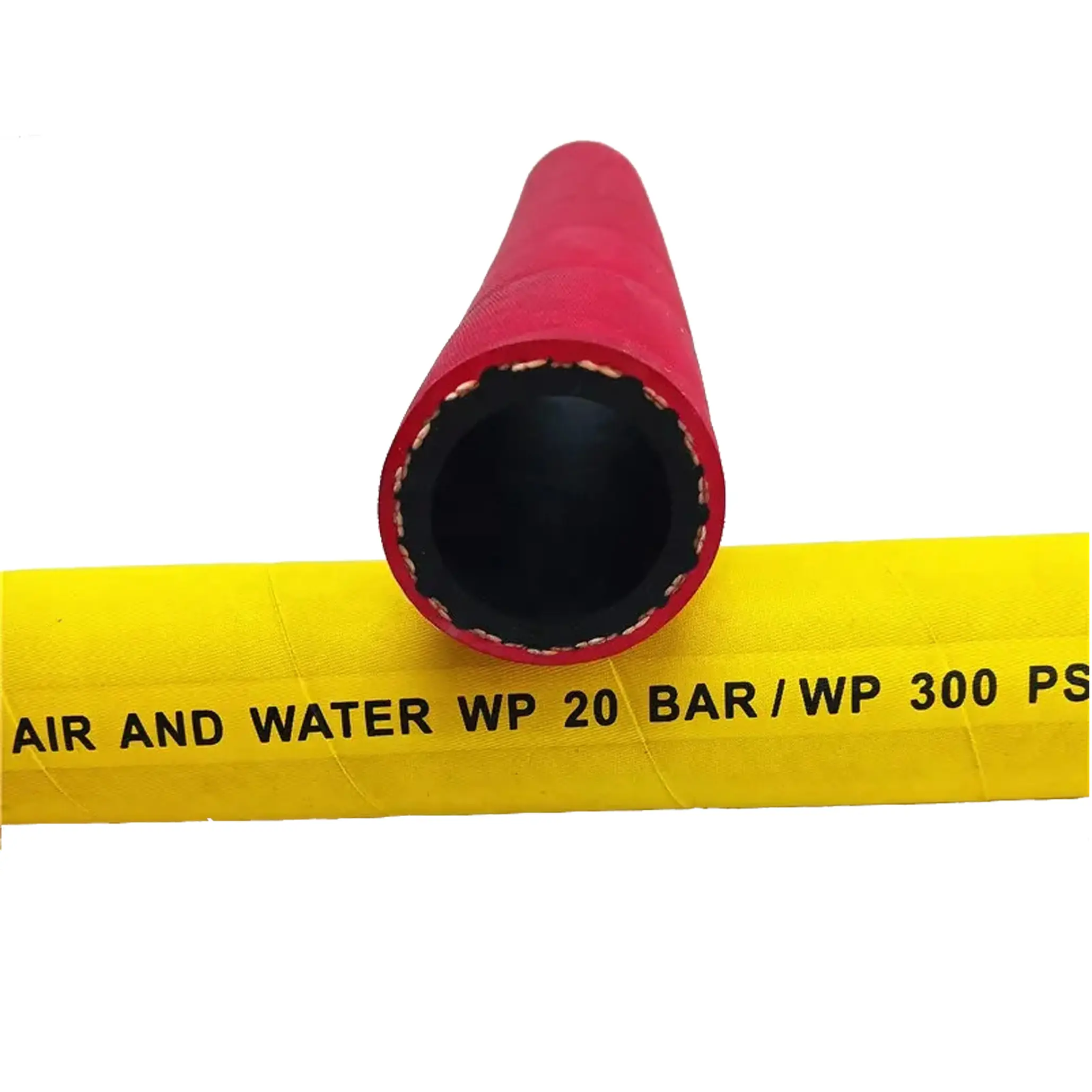
SAE 100R15 hydraulic hose is a non-reinforced rubber hose designed for low-pressure applications, primarily as a return line or bypass hose in hydraulic systems. Positioned within the broader hydraulic fluid conveyance industry, it represents an entry-level solution, prioritizing cost-effectiveness over the robustness of reinforced alternatives like SAE 100R2AT or SAE 100R6. Its construction typically involves a synthetic rubber inner tube, offering compatibility with a range of hydraulic fluids, encased in a rubber cover for environmental protection. Core performance characteristics include flexibility, permitting installation in confined spaces, and a moderate temperature range dictated by the elastomer composition. The hose's suitability is inherently limited by its lack of reinforcement, making it unsuitable for high-pressure or critical applications where failure could lead to significant operational or safety hazards. Understanding its inherent limitations and intended use cases is crucial for proper selection and application. OEM production focuses on consistent dimensions, material consistency, and adherence to SAE J517 specifications to ensure compatibility within larger hydraulic assemblies.
Material Science & Manufacturing
The primary material utilized in SAE 100R15 hose construction is a synthetic rubber compound. The inner tube is frequently composed of nitrile rubber (NBR) due to its excellent resistance to petroleum-based hydraulic fluids, moderate abrasion resistance, and cost-effectiveness. Alternative inner tube materials, such as styrene-butadiene rubber (SBR), may be employed for specific fluid compatibility requirements, though they generally exhibit lower oil resistance than NBR. The rubber cover is commonly made of a similar synthetic rubber blend, often incorporating carbon black for UV and ozone protection, and reinforcing fillers to enhance abrasion resistance. Manufacturing begins with the extrusion of the inner tube to precise dimensional tolerances. This extrusion process requires careful control of temperature, pressure, and screw speed to ensure a homogenous material composition and smooth surface finish. Subsequently, the inner tube undergoes curing, a vulcanization process employing heat and pressure with sulfur or peroxide-based curing agents. This process cross-links the polymer chains, imparting elasticity and durability. The cured inner tube is then inspected for defects before the outer cover is extruded and applied. Quality control measures at this stage include dimensional checks, pressure testing to verify leak tightness, and visual inspection for surface imperfections. The final step typically involves cutting the hose to specified lengths and applying end fittings via crimping or swaging, requiring precise control of force and geometry to ensure a secure and leak-proof connection. Parameter control is critical throughout the process. Maintaining consistent rubber compound formulations, precise extrusion temperatures, accurate curing times, and appropriate crimp forces are essential for achieving reliable hose performance and adherence to SAE standards.

Performance & Engineering
SAE 100R15 hose performance is primarily governed by its working pressure, burst pressure, and temperature range. Due to its non-reinforced construction, the working pressure is significantly lower than reinforced alternatives, typically ranging from 100 to 300 PSI depending on hose diameter and manufacturer specifications. Burst pressure, a measure of the hose’s ability to withstand sudden pressure surges, is generally three to four times the working pressure. Environmental resistance is another key performance factor. The rubber materials used must exhibit resistance to degradation from exposure to ozone, UV radiation, and a range of hydraulic fluids. Temperature limitations are significant; exceeding the specified temperature range can lead to reduced flexibility, accelerated aging, and ultimately, hose failure. Force analysis reveals that the primary stresses experienced by the hose are internal pressure, bending stresses due to routing and installation, and tensile stresses from end fitting connections. The absence of reinforcement makes the hose particularly susceptible to failure under bending or torsional loads. Compliance requirements dictate adherence to SAE J517 standard for hydraulic hose, covering dimensional tolerances, performance characteristics, and marking requirements. Additionally, manufacturers may adhere to industry-specific standards or customer specifications related to fluid compatibility or environmental regulations. Proper hose routing, avoiding sharp bends and excessive strain, is crucial for maximizing service life and preventing premature failure.
Technical Specifications
| Parameter | Typical Value (1/2" ID Hose) | Test Standard | Units |
|---|---|---|---|
| Working Pressure | 200 PSI | SAE J517 | PSI |
| Burst Pressure | 600 PSI | SAE J517 | PSI |
| Temperature Range | -40 to 212 °F | SAE J517 | °F |
| Inner Tube Material | Nitrile Rubber (NBR) | ASTM D2000 | - |
| Cover Material | EPDM Rubber | ASTM D2000 | - |
| Hose Diameter (ID) | 0.500 inches | SAE J517 | inches |
Failure Mode & Maintenance
Common failure modes for SAE 100R15 hoses include cracking due to ozone and UV exposure, especially if the rubber compound lacks adequate protective additives. Fatigue cracking can occur under repeated bending and flexing, particularly in applications with tight bend radii. Abrasion damage results from contact with abrasive surfaces or improper routing. Fluid incompatibility can lead to swelling, softening, and eventual deterioration of the rubber material. Leakage at the end fitting connection is frequently caused by improper crimping, corrosion of the fitting, or damage to the hose end during installation. Oxidation of the rubber compound occurs over time, leading to a loss of elasticity and increased susceptibility to cracking. Maintenance primarily focuses on visual inspection for signs of damage, including cracks, abrasions, bulges, and leaks. Regular inspection intervals should be established based on the severity of the application and operating conditions. Hoses should be replaced immediately if any damage is detected. Avoid overbending or kinking the hose during installation or operation. Ensure proper end fitting connections, utilizing correctly sized crimp sleeves and adhering to manufacturer's specifications. Store hoses in a cool, dry, and dark environment to minimize exposure to ozone, UV radiation, and extreme temperatures. Avoid contact with incompatible fluids. Periodic replacement based on a predetermined service life, even in the absence of visible damage, is a proactive maintenance strategy to prevent unexpected failures and ensure system reliability. Implement a hose management program to track hose history, inspection dates, and replacement schedules.
Industry FAQ
Q: What is the primary difference between SAE 100R15 and SAE 100R2AT hose?
A: The key difference is reinforcement. SAE 100R2AT incorporates multiple layers of high-tensile wire braid, providing significantly higher working pressure and burst pressure capabilities, as well as increased resistance to abrasion and kinking. SAE 100R15 lacks this reinforcement, limiting its pressure rating and overall durability, making it suitable for lower-pressure return line applications only.
Q: Can SAE 100R15 hose be used with all types of hydraulic fluids?
A: No. While commonly compatible with petroleum-based hydraulic fluids, compatibility varies depending on the specific inner tube material. Phosphate ester fluids, for example, can cause swelling and degradation of standard NBR inner tubes. It is crucial to verify fluid compatibility with the hose manufacturer’s specifications before use.
Q: What is the typical service life of an SAE 100R15 hose?
A: Service life is highly dependent on operating conditions. Under ideal conditions – moderate temperature, minimal bending, and compatible fluids – a hose can last several years. However, exposure to harsh environments, excessive bending, or incompatible fluids can significantly reduce its lifespan, potentially to less than a year.
Q: How important is proper crimping of end fittings on SAE 100R15 hose?
A: Critically important. Improper crimping can lead to leakage, hose separation from the fitting, and catastrophic failure. The crimp must create a secure, leak-proof connection without damaging the hose reinforcement (although 100R15 has none, correct sizing and compression are still vital for sealing). Using the correct crimp size and following the fitting manufacturer’s instructions are essential.
Q: What are the limitations of using SAE 100R15 hose in outdoor applications?
A: Prolonged exposure to UV radiation and ozone can cause the rubber compound to degrade, leading to cracking and reduced flexibility. Darker colored covers (e.g., black) generally offer better UV protection. Regular inspection and protective shielding are recommended for outdoor applications.
Conclusion
SAE 100R15 hydraulic hose remains a cost-effective solution for low-pressure hydraulic systems, specifically suited for return and bypass lines where reinforcement is not required. Its material composition – typically NBR inner tubes and EPDM covers – provides reasonable fluid compatibility and environmental resistance within defined temperature ranges. However, understanding its limitations – relatively low working pressure, susceptibility to fatigue and environmental degradation – is paramount for ensuring safe and reliable operation.
Effective implementation requires careful consideration of application parameters, adherence to SAE J517 standards, and proactive maintenance practices. Proper hose routing, end fitting selection, and regular visual inspections are critical for maximizing service life and preventing premature failures. While higher-performance alternatives exist, SAE 100R15 continues to hold a relevant position in the hydraulic conveyance landscape where its economic benefits outweigh the need for enhanced durability and pressure capabilities.