
Apr . 01, 2024 17:55 Back to list
oem sae100r12 factory Performance Analysis
Introduction
The SAE 100R12 hydraulic hose represents a critical component in fluid power systems across diverse industrial applications. This standard, defined by the Society of Automotive Engineers (SAE), specifies requirements for non-reinforced hydraulic hoses intended for use with hydraulic fluids. OEM SAE 100R12 factories specialize in the production of these hoses, catering to original equipment manufacturers (OEMs) and aftermarket demands. The core performance characteristics – pressure rating, temperature range, and fluid compatibility – dictate its utility in mobile hydraulics (construction equipment, agricultural machinery), industrial machinery, and various manufacturing processes. A primary industry pain point stems from inconsistent quality control amongst manufacturers, leading to premature failures and costly downtime. This guide provides a comprehensive overview of SAE 100R12 hose manufacturing, material science, performance parameters, failure analysis, and relevant industry standards. Understanding these facets is essential for procurement managers, engineers, and maintenance personnel ensuring system reliability and safety.
Material Science & Manufacturing
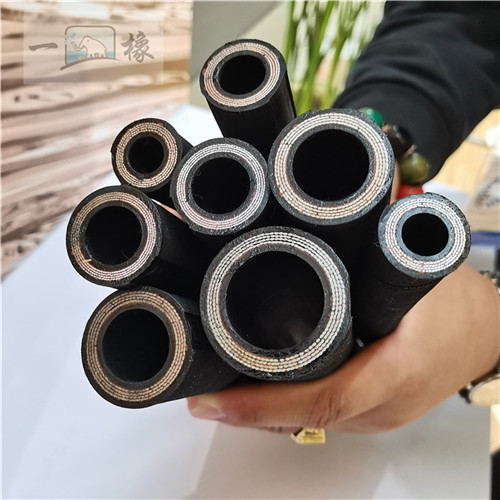
SAE 100R12 hoses are typically constructed from a synthetic rubber inner tube, a braided reinforcement layer, and an oil-resistant cover. The inner tube material is most commonly nitrile rubber (NBR), known for its excellent resistance to petroleum-based hydraulic fluids. Alternative materials like chloroprene rubber (CR) are used for specific fluid compatibility requirements. The reinforcement layer, crucial for pressure containment, consists of one or multiple braids of high-strength steel wire. The cover material, frequently a blend of synthetic rubbers like SBR (styrene-butadiene rubber) and NBR, provides environmental protection against abrasion, ozone, and oil exposure.
Manufacturing involves several key processes. The inner tube is extruded through a die to achieve the specified bore diameter and wall thickness. Precise control of extrusion temperature and screw speed is vital to ensure uniformity and prevent defects like porosity. The reinforcement braid is then applied using a helical braiding machine. The number of braids directly impacts the hose’s pressure rating. Following braiding, the cover is extruded over the reinforcement layer. Curing is a critical step where the rubber compounds are vulcanized using heat and pressure, creating cross-links within the polymer chains. This process imparts elasticity, strength, and resistance to degradation. Key parameters monitored during curing include temperature, time, and pressure. Finally, the hose undergoes dimensional inspection, pressure testing (hydrostatic test to 1.5 times the working pressure), and visual inspection to verify conformance to SAE 100R12 specifications. Variations in material composition and inadequate process control during curing represent significant sources of quality issues.
Performance & Engineering
The performance of an SAE 100R12 hose is dictated by its ability to withstand internal pressure, external damage, and environmental factors. Force analysis considers the hoop stress within the hose wall due to internal pressure, which is directly proportional to the pressure and radius and inversely proportional to the wall thickness. The steel wire reinforcement resists this stress, preventing hose bursting. Fatigue analysis is critical, particularly in applications involving cyclic pressure fluctuations. Repeated pressurization and depressurization can lead to fatigue cracking in the reinforcement layer.
Environmental resistance is paramount. Hydraulic fluids operating at elevated temperatures can accelerate rubber degradation, reducing flexibility and increasing the risk of cracking. Exposure to ozone, ultraviolet radiation, and corrosive chemicals can also compromise hose integrity. SAE 100R12 hoses are designed to operate within specified temperature ranges, typically -40°C to +100°C, depending on the rubber compound. Compliance requirements encompass not only dimensional and pressure testing but also fluid compatibility testing (ensuring no swelling or degradation occurs upon contact with the intended hydraulic fluid) and marking requirements (identifying the manufacturer, SAE specification, and pressure rating). Improper hose routing, exceeding pressure limits, and using incompatible fluids are common causes of premature failure. Bend radius limitations must also be observed to prevent kinking and stress concentrations.
Technical Specifications
| Parameter | Unit | Typical Value | Test Standard |
|---|---|---|---|
| Working Pressure | MPa | 10.5 | SAE J517 |
| Burst Pressure | MPa | 31.5 | SAE J517 |
| Temperature Range | °C | -40 to +100 | SAE J517 |
| Inner Tube Material | - | Nitrile Rubber (NBR) | ASTM D2000 |
| Reinforcement | - | Single Steel Wire Braid | SAE J517 |
| Cover Material | - | SBR/NBR Blend | ASTM D2000 |
Failure Mode & Maintenance
Common failure modes in SAE 100R12 hoses include burst failure (due to exceeding pressure limits or reinforcement degradation), pinhole leaks (caused by abrasion or chemical attack), and end fitting failures (resulting from corrosion or improper assembly). Fatigue cracking, initiated by repeated pressure cycling and stress concentrations, is a prevalent long-term failure mechanism. Delamination, the separation of layers within the hose wall, can occur due to inadequate bonding during manufacturing or exposure to incompatible fluids. Oxidation of the rubber compounds, accelerated by elevated temperatures and exposure to ozone, leads to hardening and cracking.
Preventive maintenance is crucial for extending hose life. Regular visual inspections should be conducted to identify signs of abrasion, cracking, swelling, or leaks. Hose routing should be optimized to minimize bending stress and protect against external damage. Pressure testing should be performed periodically to verify hose integrity. Hydraulic fluid should be regularly analyzed and filtered to remove contaminants that can accelerate wear. When replacing hoses, ensure compatibility with the hydraulic fluid and use properly crimped fittings. Avoid twisting the hose during installation, as this can induce stress concentrations. Proper storage (protected from sunlight, ozone, and extreme temperatures) is also essential. Detailed records of hose installations, inspections, and replacements should be maintained to facilitate proactive maintenance scheduling.
Industry FAQ
Q: What is the impact of exceeding the recommended bend radius on hose lifespan?
A: Exceeding the recommended bend radius creates significant stress concentrations within the hose wall, particularly at the inner radius. This accelerates fatigue cracking in the reinforcement layer and can lead to premature failure, even at pressures below the working pressure. The tighter the bend, the greater the stress.
Q: How does fluid contamination affect SAE 100R12 hose performance?
A: Fluid contamination, specifically abrasive particles, acts as a lapping compound, gradually eroding the inner tube surface. This reduces wall thickness and increases the risk of pinhole leaks. Contaminants can also damage seals within fittings, leading to leakage. Water contamination can promote corrosion of the steel reinforcement.
Q: What is the difference between working pressure and burst pressure, and which should be used for system design?
A: Working pressure is the maximum continuous operating pressure specified by the manufacturer. Burst pressure is the pressure at which the hose is expected to fail catastrophically during a short-term test. System design should always be based on the working pressure, with a safety factor incorporated to account for pressure surges and dynamic loads. Never operate a system at or near the burst pressure.
Q: Can different hydraulic fluids be used interchangeably with SAE 100R12 hoses?
A: No. Different hydraulic fluids have varying chemical compositions and compatibility characteristics. Using an incompatible fluid can cause the inner tube to swell, degrade, or crack, leading to premature failure. Always verify fluid compatibility with the hose manufacturer’s specifications.
Q: What role does the steel wire braid play in determining the hose’s pressure capacity?
A: The steel wire braid provides the primary structural support to resist the internal pressure of the hydraulic fluid. The number of braids directly correlates with the hose’s pressure rating – more braids equate to a higher pressure capacity. The wire diameter and steel grade also contribute to strength. The braid's integrity is essential for safe and reliable operation.
Conclusion
The SAE 100R12 hydraulic hose, while seemingly simple, represents a sophisticated engineered product with critical performance characteristics. Understanding the underlying material science, manufacturing processes, and potential failure modes is paramount for ensuring the reliability and safety of hydraulic systems. OEM SAE 100R12 factories play a vital role in upholding quality standards and providing consistent products that meet demanding industrial requirements.
Proactive maintenance, adherence to specified operating parameters, and careful selection of compatible fluids are essential for maximizing hose lifespan and minimizing downtime. Continuous monitoring of industry standards and advancements in rubber technology will further enhance the performance and durability of these critical components. Investing in high-quality hoses and implementing robust maintenance programs yield significant long-term cost savings and improve overall system efficiency.

