
Apr . 01, 2024 17:55 Back to list
oem sae100r12 factories Performance Analysis
Introduction
SAE 100R12 hose is a critical component in hydraulic systems across diverse industries, including construction, agriculture, and manufacturing. These hoses are engineered for medium-pressure applications, typically rated for working pressures up to 1200 psi, with burst pressures reaching 3600 psi. OEM SAE 100R12 factories play a pivotal role in supplying this essential element to equipment manufacturers. The core functionality lies in the secure and reliable transmission of hydraulic fluid, enabling the operation of heavy machinery. A key industry pain point lies in consistent quality control, particularly regarding dimensional accuracy, pressure ratings, and the integrity of the reinforcement layers. Another major concern is maintaining consistent material composition to ensure long-term fluid compatibility and prevent premature failure. The escalating demand for higher performance and extended service life drives the need for advanced manufacturing techniques and rigorous testing procedures within these OEM facilities. Proper hose selection and maintenance, guided by adherence to SAE standards, are paramount to operational safety and reduced downtime.
Material Science & Manufacturing
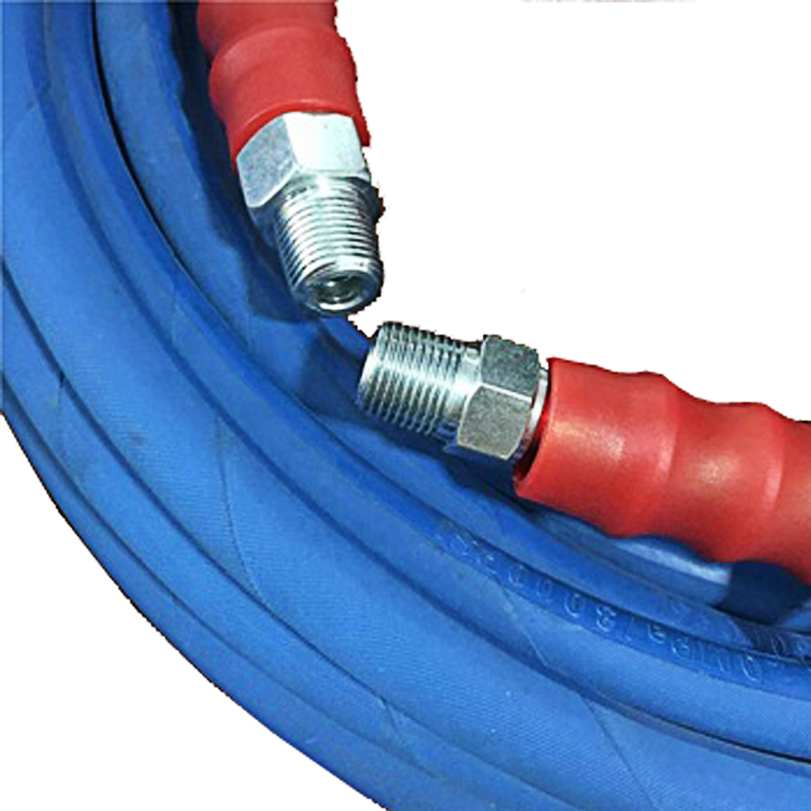
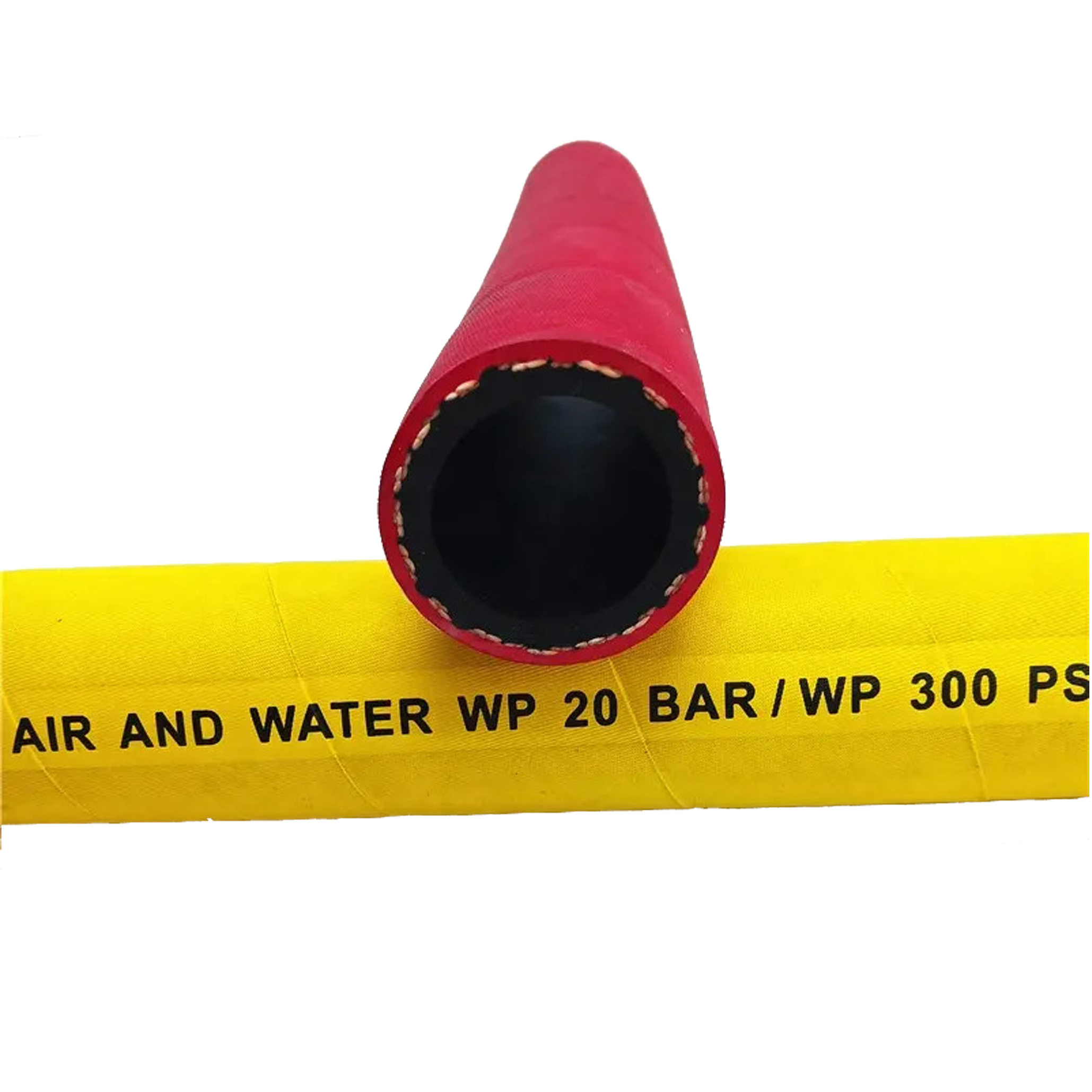
SAE 100R12 hoses are typically constructed of a synthetic rubber inner tube, a high-tensile reinforcement layer, and a weather-resistant outer cover. The inner tube material is commonly oil-resistant nitrile rubber (NBR), providing compatibility with a wide range of hydraulic fluids. The reinforcement layer is traditionally comprised of multiple plies of spirally wound, high-strength steel wire, providing the necessary pressure resistance. The outer cover commonly utilizes a synthetic rubber blend, such as chloroprene (Neoprene), offering abrasion, ozone, and weather resistance. Manufacturing begins with the extrusion of the inner tube to precise dimensional tolerances. Critical parameters include extrusion temperature, screw speed, and die design, all influencing the uniformity and quality of the rubber compound. The steel wire is then spirally wound around the inner tube under controlled tension, a process crucial for achieving the specified pressure rating. The outer cover is subsequently extruded over the reinforcement layer. Vulcanization, a chemical process involving heat and pressure, cross-links the rubber polymers, enhancing its strength, elasticity, and resistance to degradation. Post-vulcanization processes include dimensional inspection, pressure testing, and surface finishing. Consistent batch-to-batch material consistency is achieved through stringent raw material sourcing and quality control procedures, including rheometer testing and chemical analysis. The manufacturing process must consistently meet and exceed SAE J517 standards for hose construction and performance.
Performance & Engineering
The performance of SAE 100R12 hose is directly related to its ability to withstand internal pressure, external forces, and environmental stressors. Force analysis considers hoop stress within the tube wall due to internal pressure, and longitudinal stress within the reinforcement layers. Finite element analysis (FEA) is often employed to optimize reinforcement ply count and wire diameter for specific pressure requirements. Environmental resistance is crucial; prolonged exposure to UV radiation, ozone, and extreme temperatures can lead to material degradation and reduced hose lifespan. Abrasion resistance is also paramount, particularly in applications involving repeated flexing or contact with abrasive surfaces. Compliance requirements dictate adherence to SAE J517, which specifies dimensional tolerances, pressure ratings, impulse testing, and fluid compatibility. Flexing fatigue is a common failure mechanism, particularly in dynamic applications. The number of flex cycles a hose can withstand before failure is influenced by factors such as bend radius, operating temperature, and fluid type. Proper installation practices, including avoiding sharp bends and maintaining adequate support, are essential to maximizing hose service life. The selection of appropriate end fittings is also critical, ensuring a leak-proof seal and preventing stress concentrations. Static and dynamic proof pressure tests are vital to ensure compliance with SAE standards.
Technical Specifications
| Parameter | Unit | Typical Value (SAE 100R12) | Testing Standard |
|---|---|---|---|
| Working Pressure | psi | 1200 | SAE J517 |
| Burst Pressure | psi | 3600 | SAE J517 |
| Temperature Range | °F | -40 to +212 | SAE J517 |
| Inner Tube Material | - | Nitrile Rubber (NBR) | ASTM D2000 |
| Reinforcement | Plies | Multiple Spiral Steel Wire | SAE J517 |
| Outer Cover Material | - | Chloroprene (Neoprene) | ASTM D2000 |
Failure Mode & Maintenance
Common failure modes in SAE 100R12 hoses include fatigue cracking in the reinforcement layers, caused by repeated flexing; pinhole leaks in the inner tube due to fluid degradation or abrasion; and separation of the cover from the reinforcement due to aging and environmental exposure. Failure analysis typically involves visual inspection, microscopic examination of fracture surfaces, and chemical analysis of the rubber compounds. Fatigue cracking initiates at stress concentration points, such as crimp connections or areas of localized damage. Delamination occurs when the adhesive bond between layers weakens, often due to exposure to incompatible fluids or extreme temperatures. Oxidation and ozone attack can cause the rubber compounds to become brittle and crack. Preventive maintenance includes regular visual inspections for signs of wear, damage, or leaks. Hoses should be replaced if they exhibit any evidence of cracking, blistering, or abrasion. Proper hose routing, avoiding sharp bends and contact with hot surfaces, is essential. Regular fluid analysis can help identify contamination or degradation that could accelerate hose failure. Furthermore, maintaining the hydraulic system’s proper operating pressure and ensuring compatibility between the fluid and hose materials is critical to prolonging service life. Utilizing protective sleeves in areas prone to abrasion can significantly extend hose durability.
Industry FAQ
Q: What is the impact of fluid type on the service life of an SAE 100R12 hose?
A: Fluid compatibility is paramount. Using fluids not specifically recommended for NBR inner tubes can lead to swelling, softening, and ultimately, premature failure. Petroleum-based fluids generally have good compatibility, but synthetic fluids require careful consideration. Always consult the hose manufacturer's fluid compatibility chart and ensure the fluid meets the specified requirements.
Q: How does bend radius affect hose life?
A: Excessive bending or a radius smaller than the manufacturer’s specification dramatically reduces hose life. Tight bends create stress concentrations in the reinforcement layers, accelerating fatigue failure. Maintaining the recommended minimum bend radius is crucial for maximizing service life.
Q: What are the key considerations when selecting end fittings?
A: Fittings must be compatible with the hose type, pressure rating, and fluid being conveyed. Improperly crimped or mismatched fittings can create leak paths and stress risers, leading to failure. Using fittings certified to industry standards (e.g., DIN 2353) is recommended.
Q: How often should SAE 100R12 hoses be inspected?
A: The inspection frequency depends on the application and operating conditions. However, a visual inspection should be conducted at least monthly, and more frequently in harsh environments or critical applications. Look for signs of cracking, abrasion, leaks, or other damage.
Q: Can an SAE 100R12 hose be repaired if it develops a minor leak?
A: Generally, repairing an SAE 100R12 hose is not recommended. Field repairs are often unreliable and can compromise the hose's structural integrity. It’s best practice to replace the entire hose assembly to ensure safety and reliability.
Conclusion
The SAE 100R12 hydraulic hose remains a foundational component in numerous industries. Its reliable performance hinges on a combination of robust material selection, precise manufacturing processes, and adherence to stringent industry standards like SAE J517. Understanding the potential failure modes – fatigue cracking, delamination, and fluid incompatibility – is critical for effective maintenance and maximizing service life.
Looking ahead, advancements in hose technology are focusing on enhanced material compounds for improved chemical resistance and temperature stability, as well as innovative reinforcement designs to increase pressure ratings and flexibility. Continuous monitoring of hydraulic system parameters and proactive hose replacement programs will further contribute to operational efficiency and safety. Maintaining the integrity of these systems relies on consistent quality control from OEM SAE 100R12 factories.