
Apr . 01, 2024 17:55 Back to list
oem rubber lpg hose suppliers Performance Analysis
Introduction
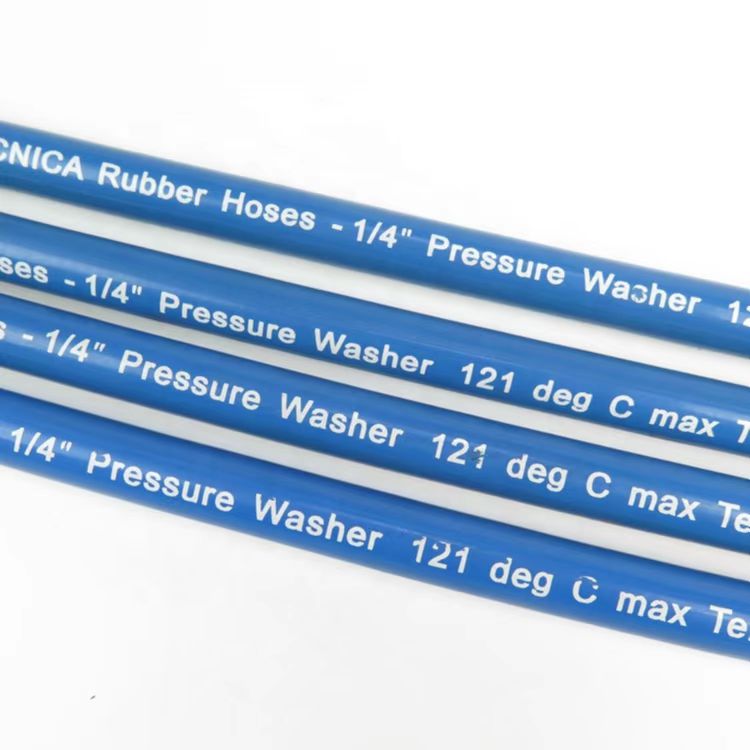
LPG (Liquefied Petroleum Gas) hoses are critical components in the safe and efficient transfer of LPG for heating, cooking, and industrial applications. OEM rubber LPG hose suppliers provide hoses tailored to meet specific equipment requirements and industry standards. These hoses differ significantly from general-purpose rubber tubing, necessitating specialized material selection, manufacturing processes, and rigorous testing. The primary function of an LPG hose is to contain the pressurized LPG vapor and liquid while maintaining flexibility and resistance to permeation, degradation from LPG exposure, and external environmental factors. This guide details the materials, manufacturing, performance characteristics, potential failure modes, and maintenance procedures critical to understanding and properly specifying rubber LPG hoses. A core pain point for procurers within the LPG appliance and distribution sector stems from inconsistencies in hose quality and adherence to safety regulations. Ensuring compliance and longevity requires a deep understanding of the underlying technical aspects.
Material Science & Manufacturing
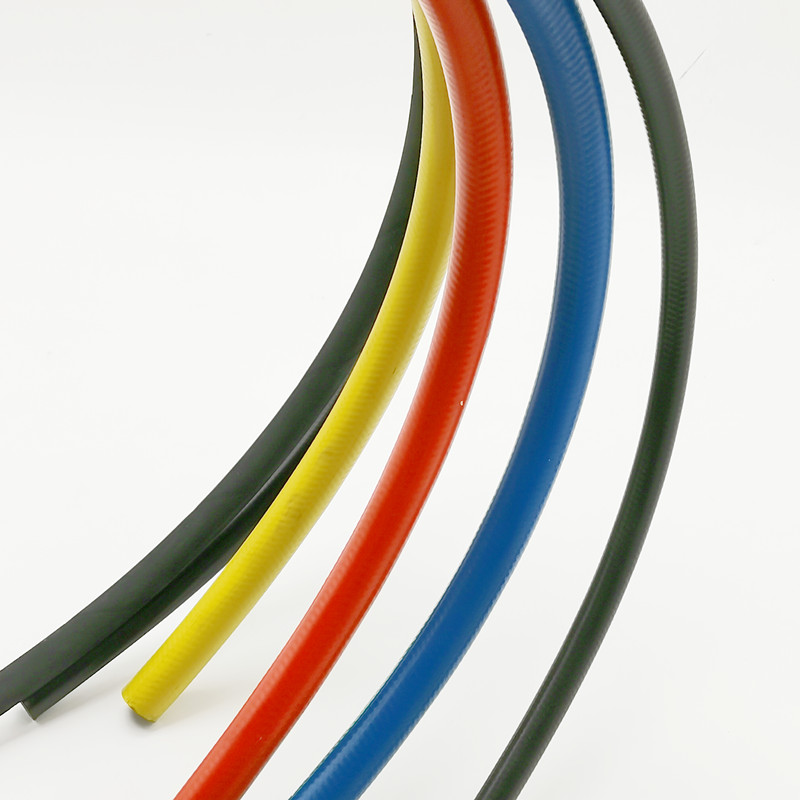
The core material for LPG hoses is typically a synthetic rubber compound, commonly Ethylene Propylene Diene Monomer (EPDM). EPDM is favored for its excellent resistance to LPG, ozone, weathering, and heat. However, not all EPDM formulations are equal. Key characteristics include the diene content (affecting crosslinking density and elasticity), filler type (carbon black for reinforcement and conductivity, clay for improved barrier properties), and plasticizer content (for flexibility). The rubber compound is often reinforced with multiple layers of high-tensile textile braiding – typically polyester or aramid – to provide burst pressure resistance.
Manufacturing involves several key steps. First, the rubber compound is mixed and calendered into a continuous sheet of desired thickness. This sheet is then extruded through a die to create the hose bore. Subsequently, the reinforcement braiding is applied over the extruded rubber. A final outer cover of EPDM is then extruded, encapsulating the braid. Critical parameters include extrusion temperature (influencing rubber viscosity and surface finish), braiding tension (directly affecting burst pressure), and curing temperature and time (determining the degree of crosslinking and ultimate mechanical properties). Post-curing, hoses undergo rigorous testing including burst pressure, leak testing, and permeation testing. Specialized liners utilizing fluoropolymers (like PTFE) are sometimes employed for enhanced barrier properties and compatibility with LPG containing higher concentrations of propane. The mixing process also needs meticulous control of the mixing ratios and the addition of curing agents, accelerators and anti-degradants to ensure uniform and optimized rubber properties.
Performance & Engineering
LPG hose performance is governed by a complex interplay of factors, primarily pressure resistance, flexibility, and permeation resistance. Burst pressure, determined by the reinforcement braiding, is a critical safety parameter. Hose flexibility is essential for ease of installation and prevents kinking, which can lead to localized stress concentrations and premature failure. Permeation, the passage of LPG molecules through the rubber matrix, is a crucial environmental and safety concern. Higher permeation rates lead to LPG loss and potentially flammable vapor accumulation.
Engineering considerations involve force analysis under operational pressures and bending radii. Hose assemblies must be designed to withstand static and dynamic loads, including internal pressure, external bending moments, and potential impacts. Environmental resistance is also paramount. Exposure to UV radiation, ozone, and extreme temperatures can accelerate rubber degradation. Compliance with international standards (detailed in the footer) dictates specific performance requirements, including minimum burst pressure, maximum permeation rates, and resistance to specified chemicals. Furthermore, electrostatic discharge (ESD) properties are vital; the rubber compound and braiding must provide a conductive path to prevent static buildup, mitigating ignition risk.
Technical Specifications
| Parameter | Unit | Typical Value (Standard Grade EPDM) | High-Performance Grade (PTFE Lined) |
|---|---|---|---|
| Working Pressure | bar | 15 | 20 |
| Burst Pressure | bar | 45 | 60 |
| Inner Diameter | mm | 6.3 - 19 | 6.3 - 25 |
| Outer Diameter | mm | 11 - 28 | 13 - 32 |
| Permeation Rate (Propane) | g/m²/day | <5 | <2 |
| Temperature Range | °C | -30 to +70 | -50 to +150 |
Failure Mode & Maintenance
Common failure modes for LPG hoses include rupture due to overpressure, cracking caused by ozone or UV exposure, permeation leading to LPG loss and potential hazards, and delamination of the rubber cover from the reinforcement braiding. Fatigue cracking can occur at connection points due to repeated bending and vibration. Another failure mode is hardening and cracking of the rubber due to thermal cycling and prolonged exposure to high temperatures. Chemical attack from contaminants within the LPG stream can also degrade the rubber compound.
Preventative maintenance is critical. Regular visual inspections should be conducted to identify cracks, abrasions, or swelling. Hoses should be replaced if any signs of damage are observed. Avoid sharp bends or kinking during installation and operation. Protect hoses from direct sunlight and extreme temperatures. Regular leak testing with a soap solution is recommended. Connection points should be checked for tightness. When storing hoses, keep them in a cool, dry place away from direct sunlight and ozone sources. OEM-supplied replacement hoses should always be used to ensure compatibility and performance. Failure analysis should be performed on failed hoses to identify the root cause and prevent recurrence.
Industry FAQ
Q: What is the significance of the reinforcement braiding material (polyester vs. aramid) in an LPG hose?
A: Aramid braiding offers significantly higher tensile strength and burst pressure resistance compared to polyester. While polyester is more cost-effective, aramid is preferred for applications requiring superior safety margins and durability, such as high-pressure systems or those exposed to harsh environments. The choice depends on the specific application requirements and risk assessment.
Q: How does LPG composition (propane vs. butane ratio) affect hose permeation rates?
A: Propane has a smaller molecular size than butane, resulting in a higher permeation rate through the rubber matrix. Hoses designed for propane-rich LPG mixtures require lower permeation materials, such as PTFE liners, to maintain acceptable levels of LPG containment.
Q: What testing protocols are used to verify the safety and performance of LPG hoses?
A: Typical testing includes hydrostatic burst pressure testing, leak testing, permeation testing, and aging tests (exposure to heat, ozone, and chemicals). These tests are designed to simulate real-world operating conditions and ensure the hose meets relevant safety standards.
Q: What is the impact of improper hose installation on its lifespan and safety?
A: Improper installation, such as excessive bending radius or kinking, can create stress concentrations and lead to premature failure. Incorrectly tightened connections can cause leaks. It is critical to follow the manufacturer’s installation guidelines and ensure that the hose is properly supported and protected.
Q: Can LPG hoses be repaired if they develop a minor leak?
A: Generally, LPG hoses should not be repaired. Any compromise to the hose’s integrity – even a minor leak – necessitates full replacement. Repairing a hose can create a weak point and compromise its ability to withstand pressure, leading to a catastrophic failure. Safety is paramount.
Conclusion
The selection and application of rubber LPG hoses demands a comprehensive understanding of material science, manufacturing processes, performance characteristics, and potential failure modes. EPDM remains the predominant material, but advancements in rubber formulations and the incorporation of PTFE liners offer enhanced permeation resistance and chemical compatibility. Adhering to stringent quality control measures and international safety standards is paramount to ensuring the safe and reliable transfer of LPG.
Future trends are likely to focus on the development of even lower permeation materials, incorporating smart sensors for real-time leak detection, and utilizing advanced manufacturing techniques to improve hose durability and consistency. Proactive maintenance and regular inspections remain essential for maximizing hose lifespan and minimizing the risk of accidents. A thorough technical understanding and adherence to best practices are crucial for all stakeholders in the LPG supply chain.