
Apr . 01, 2024 17:55 Back to list
oem rubber lpg hose manufacturer Performance Analysis
Introduction
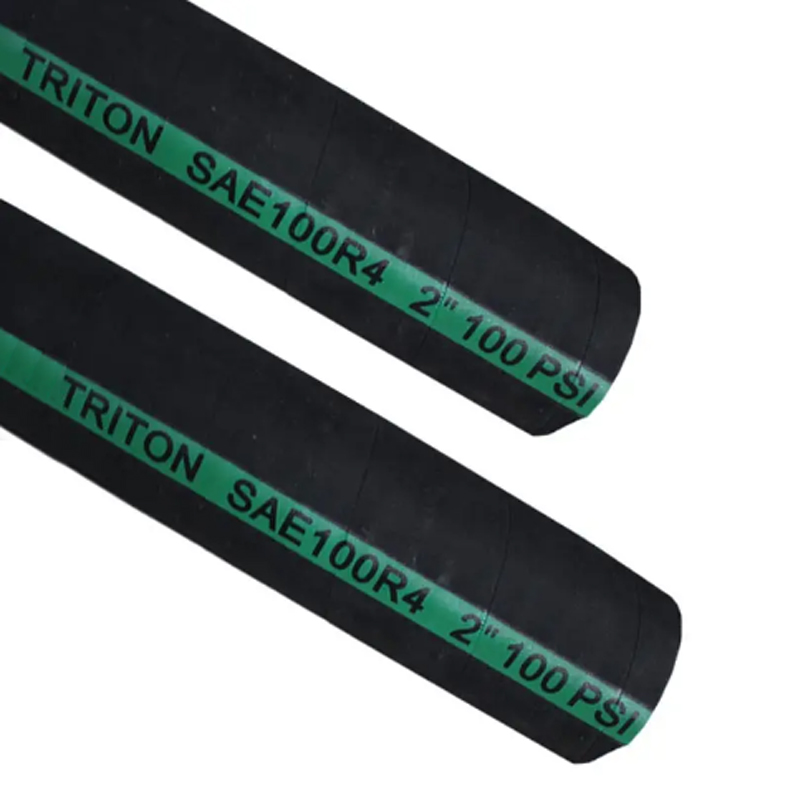
Liquefied Petroleum Gas (LPG) hoses are critical components in the safe and efficient transfer of LPG for heating, cooking, and industrial applications. OEM rubber LPG hoses are specifically manufactured to meet stringent safety and performance standards, offering a bespoke solution for equipment manufacturers. These hoses are not simply conduits; they are engineered systems designed to withstand high pressures, fluctuating temperatures, and the inherent chemical properties of LPG. Their position within the LPG supply chain is paramount – a failure can have catastrophic consequences. This guide provides an in-depth technical analysis of OEM rubber LPG hoses, covering material science, manufacturing processes, performance characteristics, potential failure modes, and relevant industry standards. The core performance metrics revolve around pressure resistance, leak tightness, resistance to LPG permeation, and long-term durability under cyclic stress. The industry faces recurring challenges regarding material degradation, particularly due to hydrocarbon permeation and ozone cracking, necessitating continuous improvement in hose construction and material selection.
Material Science & Manufacturing
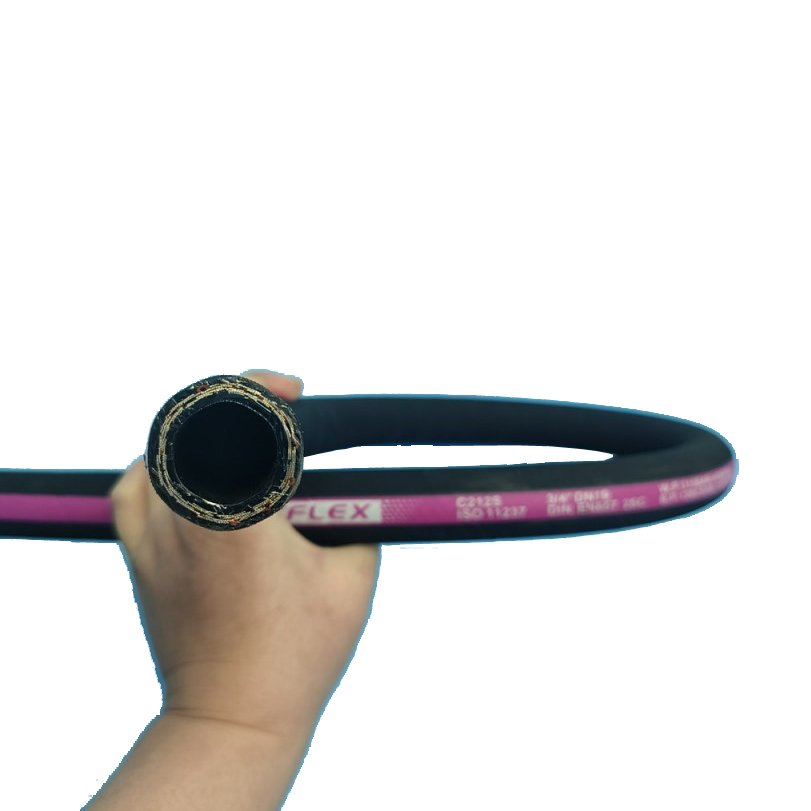
The construction of OEM rubber LPG hoses typically involves multiple layers, each serving a specific function. The inner tube, in direct contact with LPG, is commonly made of a specialized nitrile rubber (NBR) compound. NBR offers excellent resistance to aliphatic hydrocarbons like propane and butane, which constitute LPG. However, the specific NBR formulation is crucial. Higher acrylonitrile content improves oil resistance but reduces low-temperature flexibility. Plasticizers are added to enhance flexibility, but their compatibility with LPG and long-term stability must be carefully considered to prevent leaching and hose hardening. The reinforcement layer is usually a high-tensile strength braided textile, often polyester or nylon, providing burst pressure resistance. The number of braids directly correlates to the hose’s working and burst pressure ratings. An intermediate cover layer, often a blend of natural and synthetic rubber, provides a bonding layer for the outer cover. The outer cover is typically a Chloroprene rubber (CR) – also known as Neoprene – chosen for its exceptional resistance to weathering, ozone, and abrasion. During manufacturing, precise temperature and pressure control during extrusion are vital to ensure uniform wall thickness and adhesion between layers. Post-extrusion, hoses undergo a curing process (vulcanization) to crosslink the rubber polymers, enhancing their strength, elasticity, and chemical resistance. Quality control includes dimensional checks, pressure testing (hydrostatic and impulse testing), and leak detection using air or nitrogen.
Performance & Engineering
The performance of an LPG hose is dictated by several critical engineering considerations. Burst pressure, defined as the pressure at which the hose fails catastrophically, is a primary safety parameter, and is typically four times the working pressure. Impulse pressure, representing cyclical pressure fluctuations encountered in real-world applications (e.g., pump pulsations), demands fatigue resistance. Finite Element Analysis (FEA) is used extensively to model stress distribution within the hose layers under various loading conditions, optimizing braid configuration and rubber compound selection. Environmental resistance is paramount. LPG hoses must maintain their integrity across a wide temperature range (-40°C to +70°C is common), resisting hardening in cold temperatures and softening in high temperatures. The rate of LPG permeation through the hose wall is a critical factor impacting safety and environmental concerns. Permeation rates are influenced by rubber compound composition, wall thickness, and temperature. Hose flexibility is also a crucial ergonomic and installation factor; a stiff hose is difficult to maneuver and prone to kinking. Furthermore, compliance with regional regulations (e.g., EN 1763-2 in Europe, ASME B31.3 in the US) is non-negotiable, mandating specific material certifications, testing protocols, and marking requirements. Failure analysis often reveals degradation initiated at areas of high stress concentration, such as hose fittings or bends.
Technical Specifications
| Parameter | Unit | Typical Value | Testing Standard |
|---|---|---|---|
| Working Pressure | bar | 15 | EN 1763-2 |
| Burst Pressure | bar | 60 | EN 1763-2 |
| Inner Diameter | mm | 12.7 | ISO 1307 |
| Outer Diameter | mm | 19.1 | ISO 1307 |
| Wall Thickness | mm | 3.2 | ISO 1307 |
| LPG Permeation Rate | cm³/m²/day | < 5 | ASTM D1434 |
| Tensile Strength (Braid) | MPa | >2000 | ASTM D790 |
Failure Mode & Maintenance
LPG hoses are susceptible to several failure modes. Ozone cracking, particularly in the outer cover (CR), is a common issue, especially in environments with elevated ozone levels. Hydrocarbon permeation can cause the rubber compounds to swell and soften over time, reducing mechanical strength. Fatigue cracking in the reinforcement braid can occur due to repeated pressure cycling, particularly if the hose is subjected to bending or vibration. Abrasion from contact with sharp objects can damage the outer cover, exposing the reinforcement layer. Fitting failure, whether due to corrosion, improper tightening, or material incompatibility, is another frequent cause of leaks. Internal degradation of the NBR inner tube can lead to embrittlement and cracking. Maintenance recommendations include regular visual inspection for cracks, abrasions, and swelling. Hoses should be replaced at intervals recommended by the manufacturer or as dictated by local regulations. Avoid sharp bends and protect hoses from exposure to extreme temperatures, ozone, and direct sunlight. Ensure fittings are properly tightened and compatible with LPG. Hydrostatic testing can be performed periodically to verify the hose's integrity, but this should be conducted by qualified personnel. Proper storage, away from direct sunlight and extreme temperatures, is crucial for maintaining hose longevity.
Industry FAQ
Q: What is the impact of different LPG compositions (propane vs. butane) on hose material selection?
A: Butane has a lower boiling point than propane, leading to higher vapor pressures at a given temperature. This necessitates a hose with a higher working pressure rating and potentially a different rubber compound formulation optimized for butane's specific solubility characteristics. Propane, being more cryogenic, requires materials that maintain flexibility at lower temperatures. The specific blend of propane and butane in the LPG mixture also affects permeation rates, necessitating careful material selection to minimize leakage.
Q: How does the hose reinforcement braid material (polyester vs. nylon) affect performance?
A: Nylon generally offers higher tensile strength and abrasion resistance than polyester, making it suitable for applications requiring greater durability. However, polyester exhibits better resistance to moisture absorption, which can be critical in humid environments. The choice often depends on the specific application and environmental conditions. Nylon also tends to be more expensive than polyester.
Q: What are the key considerations when selecting hose fittings?
A: Fittings must be compatible with both the hose material and the LPG being conveyed. Material incompatibility can lead to corrosion and leaks. Fittings should be properly sized to ensure a secure and leak-proof connection. Thread type and sealant selection are also critical. Furthermore, fittings must meet relevant pressure and temperature ratings.
Q: What are the limitations of hydrostatic testing for hose integrity assessment?
A: Hydrostatic testing primarily assesses burst pressure but doesn't necessarily detect subtle degradation mechanisms like permeation or internal cracking. It's a good initial check, but should be complemented by visual inspection and, if possible, non-destructive testing methods like ultrasonic leak detection. The test pressure must be carefully controlled to avoid exceeding the hose's limitations.
Q: How do regulatory standards (e.g., EN 1763-2) impact the design and manufacturing of LPG hoses?
A: Regulatory standards dictate virtually every aspect of hose design and manufacturing, including material specifications, testing procedures, marking requirements, and safety factors. Compliance with these standards is mandatory for legal sale and use. Standards ensure a minimum level of safety and performance, protecting consumers and preventing accidents.
Conclusion
OEM rubber LPG hoses represent a complex engineering challenge requiring careful consideration of material science, manufacturing processes, and regulatory compliance. The long-term reliability and safety of these hoses depend on selecting appropriate rubber compounds, optimizing reinforcement braid configuration, and implementing rigorous quality control measures. Understanding potential failure modes, such as ozone cracking and hydrocarbon permeation, is crucial for developing effective preventative maintenance strategies.
Future developments in LPG hose technology are likely to focus on enhancing permeation resistance through the use of advanced barrier materials, improving durability in harsh environments, and developing more sophisticated non-destructive testing methods for in-service inspection. Continued adherence to international standards and a commitment to innovation are essential for maintaining the highest levels of safety and performance in the LPG industry.