
Apr . 01, 2024 17:55 Back to list
oem rubber lpg hose factory Performance Analysis
Introduction
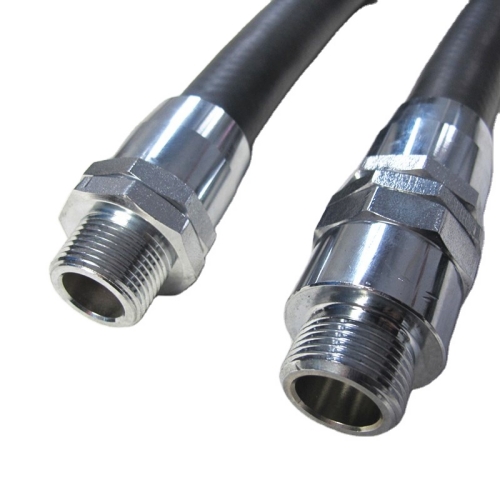
LPG (Liquefied Petroleum Gas) hoses are critical components in the safe and efficient delivery of LPG for heating, cooking, and industrial applications. An OEM rubber LPG hose factory specializes in the design, manufacturing, and supply of these hoses to equipment manufacturers and distributors. These hoses are not merely conduits; they represent a crucial safety barrier, demanding strict adherence to performance specifications and regulatory standards. The technical position within the LPG supply chain is as the final connection point, directly impacting system integrity and user safety. Core performance characteristics revolve around pressure resistance, leak-proof integrity, compatibility with LPG constituents, and resistance to environmental degradation. The industry faces persistent challenges related to material degradation, ensuring long-term leak prevention, and maintaining consistent quality across high-volume production runs. This guide provides a comprehensive overview of rubber LPG hose technology, covering material science, manufacturing processes, performance parameters, failure analysis, and relevant industry standards.
Material Science & Manufacturing
Rubber LPG hoses are typically constructed from a multi-layered composite. The inner tube, crucial for LPG containment, is commonly made from a specialized grade of Nitrile Butadiene Rubber (NBR) due to its excellent resistance to LPG, which is a mixture of propane and butane. NBR exhibits low gas permeability and maintains flexibility at low temperatures. The reinforcement layer, providing strength and preventing kinking, is usually braided from high-tensile polyester or aramid fibers. The outer cover, designed for environmental protection, often employs Chloroprene Rubber (CR) – also known as Neoprene – offering resistance to ozone, weathering, abrasion, and oil exposure.
Manufacturing begins with compound preparation, meticulously blending rubber polymers with reinforcing fillers (carbon black, silica), plasticizers, curing agents, and anti-aging additives. Extrusion forms the inner tube, followed by the application of the reinforcement braid using automated braiding machines. Precise tension control during braiding is critical for uniform pressure resistance. The outer cover is then extruded over the braided layer. Curing, or vulcanization, is a key process involving heating the hose under pressure to cross-link the rubber polymers, enhancing its mechanical properties and chemical resistance. Quality control involves rigorous testing at each stage, including dimensional checks, pressure testing, and leak detection. Parameter control focuses on maintaining precise temperature and time profiles during vulcanization, ensuring consistent rubber cross-linking and optimal physical properties. The consistency of compound batching and the braid tension are also carefully monitored.
Performance & Engineering
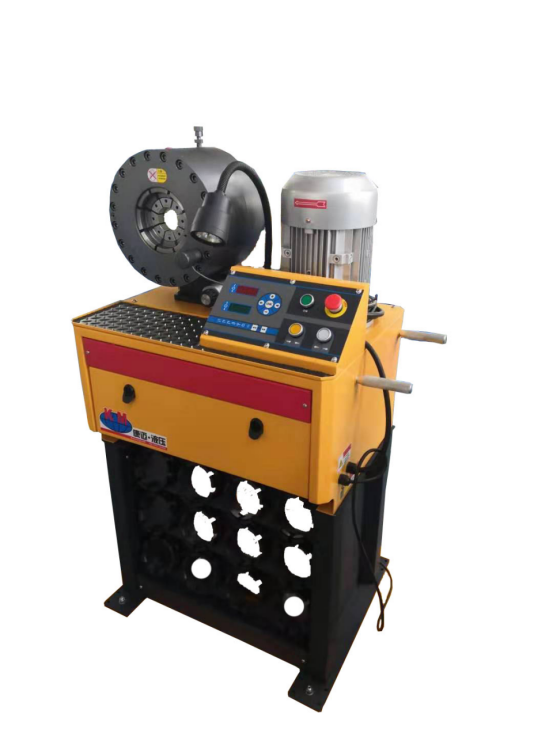
The engineering design of an LPG hose must account for several critical performance factors. Burst pressure is a primary concern, dictated by the maximum operating pressure plus a substantial safety factor (typically 4:1). Hose assemblies undergo hydrostatic testing to verify burst pressure compliance. Tensile strength determines the hose's resistance to pulling forces, preventing separation of layers during use. Elongation at break indicates the hose’s ability to stretch before failure. Gas permeability is a crucial parameter; minimizing LPG leakage is paramount for safety and environmental reasons. Permeation rates are measured under controlled temperature and pressure conditions.
Environmental resistance involves evaluating the hose’s performance under extreme temperatures, UV exposure, and exposure to common chemicals like oils and solvents. Force analysis considers the stresses induced by internal pressure, bending, and axial loading. Finite Element Analysis (FEA) can be employed to optimize hose geometry and reinforcement layers for maximum strength and durability. Compliance requirements vary by region (see Standards & Regulations section). For example, EN 1763 specifies requirements for LPG hoses in Europe, encompassing dimensional tolerances, pressure resistance, and material properties. Functional implementation dictates the hose’s ability to maintain its integrity and performance throughout its service life, requiring careful selection of materials and manufacturing processes.
Technical Specifications
| Parameter | Unit | Typical Value | Test Standard |
|---|---|---|---|
| Working Pressure | Bar | 15 | EN 1763 |
| Burst Pressure | Bar | 60 | EN 1763 |
| Tensile Strength | MPa | 12 | ISO 6892-1 |
| Elongation at Break | % | 300 | ISO 6892-1 |
| Gas Permeability (Propane) | cm³/m²/day | < 5 | ISO 14876 |
| Operating Temperature Range | °C | -20 to +60 | Manufacturer Specification |
Failure Mode & Maintenance
Common failure modes in rubber LPG hoses include cracking due to ozone degradation, permeation-induced swelling and weakening of the rubber, fatigue cracking from repeated bending and flexing, and damage from abrasion or impact. Delamination, the separation of layers, can occur due to inadequate bonding during manufacturing or prolonged exposure to high stress. Oxidation of the rubber can lead to hardening and loss of flexibility. A key failure analysis technique involves microscopic examination of fractured surfaces to identify the root cause.
Preventive maintenance includes regular visual inspection for cracks, abrasions, and swelling. Hoses should be replaced if any signs of damage are detected. Avoid exposing hoses to direct sunlight or extreme temperatures. Do not allow hoses to come into contact with sharp objects or corrosive chemicals. Storage should be in a cool, dry, and dark location. Annual pressure testing is recommended for critical applications. When replacing hoses, ensure the new hose meets or exceeds the original specifications and is compatible with the LPG system.
Industry FAQ
Q: What is the impact of LPG composition variations on hose material selection?
A: LPG composition (propane/butane ratio) varies regionally and seasonally. Higher propane content generally increases permeation rates. Hose manufacturers must select rubber compounds with appropriately low permeability to both propane and butane, often utilizing specialized NBR formulations or blending with other polymers to optimize barrier properties. Testing is performed with varying LPG mixtures to ensure performance across different compositions.
Q: How does hose reinforcement braiding influence flexibility and pressure resistance?
A: Braiding material and construction significantly affect hose performance. Polyester braid offers good flexibility but lower tensile strength compared to aramid. Tighter braid angles increase pressure resistance but reduce flexibility. The optimal balance depends on the application. Higher ply counts in the braid also enhance pressure capacity but increase cost and weight.
Q: What are the critical considerations for hose end fitting compatibility?
A: Proper fitting compatibility is crucial for leak prevention. Fittings must be designed to securely grip the hose without damaging the rubber. Crimping is a common attachment method, requiring precise crimp dimensions to ensure a tight seal. Compatibility of fitting materials with LPG is also essential to prevent corrosion or degradation. Regular inspection of fittings for corrosion or damage is recommended.
Q: How are hoses tested for long-term aging and degradation?
A: Accelerated aging tests, such as exposure to elevated temperatures and UV radiation, are used to simulate long-term degradation. Samples are periodically tested for changes in mechanical properties (tensile strength, elongation) and permeability. These tests provide an estimate of the hose’s expected service life under normal conditions. Chemical resistance testing verifies the hose’s ability to withstand exposure to LPG and other relevant chemicals.
Q: What are the implications of using non-approved or substandard hoses?
A: Using non-approved or substandard hoses poses significant safety risks, including gas leaks, fire hazards, and potential explosions. These hoses may not meet required pressure resistance or permeability standards. They may also be constructed from incompatible materials that degrade rapidly in contact with LPG. Regulatory compliance is essential, and only certified hoses should be used in LPG systems.
Conclusion
The selection and implementation of rubber LPG hoses require a thorough understanding of material science, manufacturing processes, performance characteristics, and relevant regulatory standards. OEM rubber LPG hose factories play a pivotal role in ensuring the safe and reliable distribution of LPG, demanding stringent quality control and continuous improvement in hose technology. Maintaining hose integrity through proper inspection, maintenance, and adherence to best practices is crucial for preventing failures and mitigating risks.
Looking ahead, advancements in rubber compounding, reinforcement materials, and manufacturing techniques will continue to enhance hose performance and durability. The development of smart hoses with integrated sensors for leak detection and pressure monitoring represents a promising area of innovation. Collaboration between hose manufacturers, equipment suppliers, and regulatory bodies is essential for driving industry progress and ensuring the ongoing safety of LPG systems.