
Apr . 01, 2024 17:55 Back to list
oem red high pressure hydraulic hose manufacturer Performance Analysis
Introduction
High-pressure hydraulic hoses are critical components in fluid power systems, responsible for transmitting hydraulic fluid to actuators and other components. OEM red high-pressure hydraulic hoses represent a specialized segment of this market, typically characterized by custom specifications tailored to original equipment manufacturers (OEMs). These hoses are distinguished by their robust construction, designed to withstand extreme pressures, temperatures, and harsh operating environments commonly found in industries like construction, agriculture, mining, and manufacturing. This guide provides an in-depth technical overview of OEM red high-pressure hydraulic hoses, covering material science, manufacturing processes, performance characteristics, failure modes, and relevant industry standards. The core performance characteristics of these hoses center around burst pressure, working pressure, temperature range, and fluid compatibility. A critical pain point in the industry lies in maintaining consistent quality and traceability for hoses operating in safety-critical applications, alongside ensuring long-term durability and resistance to fluid degradation. OEMs demand hoses that minimize downtime and reduce the total cost of ownership.
Material Science & Manufacturing
The construction of a high-pressure hydraulic hose involves several layers, each contributing to its overall performance. The innermost layer, the tube, is typically made from synthetic rubber compounds like nitrile (NBR), ethylene propylene diene monomer (EPDM), or fluorocarbon (FKM/Viton), selected for their compatibility with the intended hydraulic fluid. NBR is common for petroleum-based fluids, while EPDM is suitable for phosphate ester fluids and FKM offers superior resistance to aggressive fluids and high temperatures. The reinforcement layer is critical for pressure resistance. This commonly comprises multiple braids of high-tensile steel wire. The number of braids directly correlates with the hose’s working and burst pressure capabilities. Spiral-wound reinforcement utilizing steel wire wound helically around the tube is also employed for higher pressure applications. An intermediate cover layer, often made of synthetic rubber, protects the reinforcement. The outer cover provides abrasion, weather, and chemical resistance, typically utilizing materials like polyurethane or a blended rubber compound.
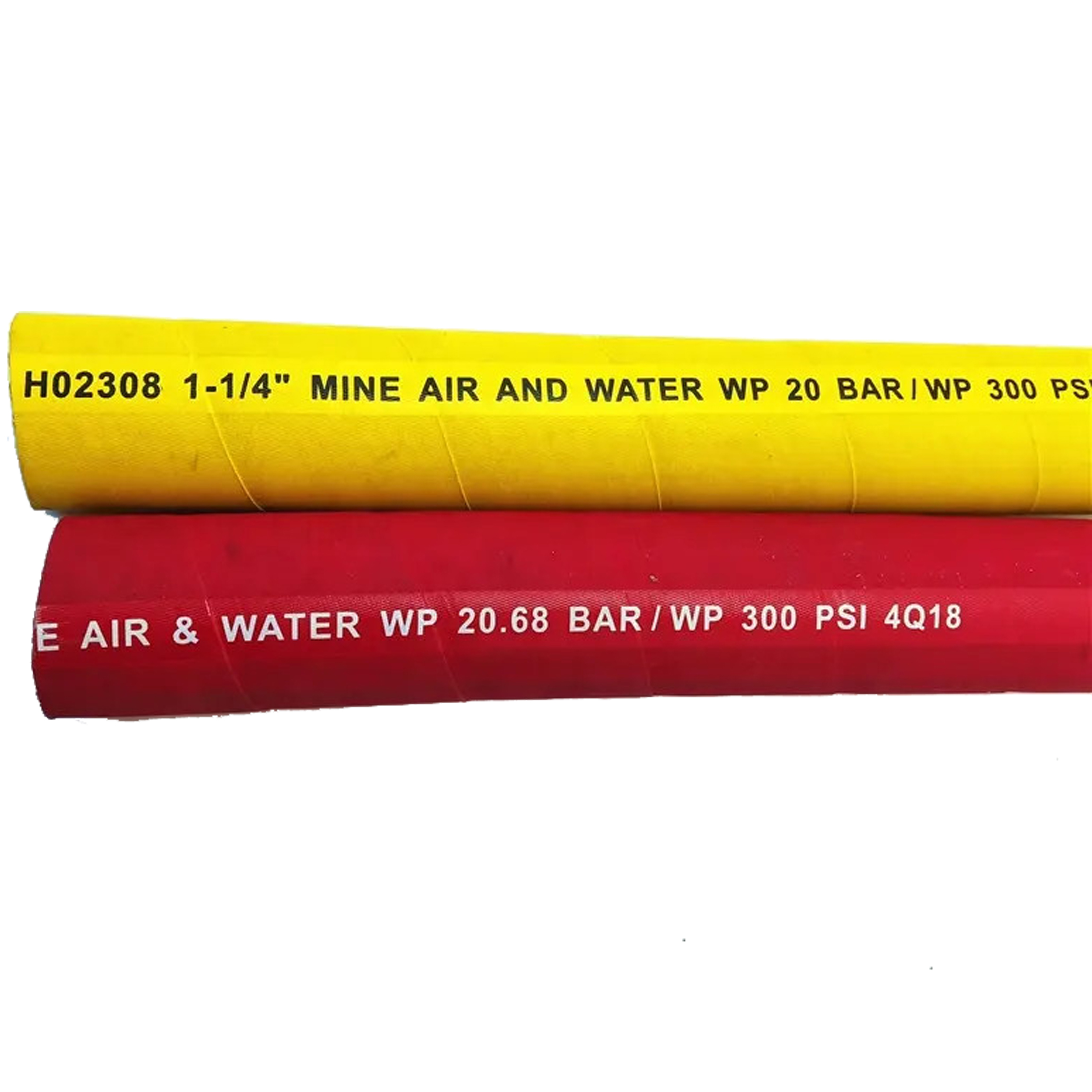
Manufacturing involves extrusion of the inner tube, followed by the winding or braiding of the reinforcement layers. Precise tension control during braiding is paramount to ensure uniform pressure distribution. The hose is then vulcanized – a process involving heating the rubber components under pressure – to crosslink the polymers and create a durable, unified structure. Critical parameters monitored during vulcanization include temperature, pressure, and cure time. Post-vulcanization, the hose undergoes rigorous testing, including burst pressure testing, impulse testing, and leak testing, to verify conformance to specifications. The red color is typically achieved by incorporating red pigments into the outer cover compound during extrusion.
Performance & Engineering
The performance of a high-pressure hydraulic hose is governed by several key engineering principles. Force analysis centers on the hoop stress within the hose wall, which is directly proportional to the internal pressure and the hose’s radius, and inversely proportional to the wall thickness. The reinforcement layer provides the necessary tensile strength to withstand this stress. Fatigue analysis is crucial, as hydraulic systems often experience cyclical pressure fluctuations (hydraulic pulse). Impulse testing simulates these cycles to assess the hose’s resistance to fatigue failure.
Environmental resistance is another critical factor. Exposure to extreme temperatures can affect the rubber compounds' flexibility and sealing properties. UV radiation can cause degradation of the outer cover. Exposure to chemicals, such as oils, fuels, and corrosive substances, can lead to swelling, cracking, or permeation. Compliance requirements, such as those mandated by SAE International (SAE J517), dictate minimum performance standards for hydraulic hoses. These standards specify requirements for burst pressure, working pressure, temperature range, and fluid compatibility. Functional implementation considerations include hose bend radius – exceeding the minimum bend radius can cause kinking and restrict fluid flow – and hose assembly practices, including proper crimping of fittings to ensure a leak-free seal.
Technical Specifications
| Parameter | Unit | Typical Value (SAE 100R2AT Equivalent) | Remarks |
|---|---|---|---|
| Working Pressure | MPa | 20.7 | Ratio of working pressure to burst pressure is typically 4:1 |
| Burst Pressure | MPa | 82.7 | Minimum burst pressure required by SAE J517 |
| Temperature Range | °C | -40 to +100 | Dependent on tube and cover material |
| Tube Material | - | Synthetic Rubber (NBR) | Compatibility varies with fluid type |
| Reinforcement | - | Two Steel Wire Braids | Number of braids impacts pressure rating |
| Cover Material | - | Synthetic Rubber (Polyurethane Blend) | Provides abrasion and weather resistance |
Failure Mode & Maintenance
High-pressure hydraulic hoses are susceptible to several failure modes. Fatigue cracking is a common issue, particularly in systems with frequent pressure pulsations. This occurs due to the gradual weakening of the reinforcement layers over time. Bursting is a catastrophic failure resulting from exceeding the hose’s working pressure. Delamination refers to the separation of the hose layers, often caused by improper vulcanization or exposure to incompatible fluids. Oxidation and degradation of the rubber compounds can occur due to exposure to heat, UV radiation, and ozone, leading to cracking and loss of flexibility. Pinholes can develop in the tube due to corrosion or damage from foreign particles.
Preventive maintenance is crucial for extending hose life. Regular visual inspections should be conducted to identify any signs of damage, such as cracks, abrasions, or bulges. Hose assemblies should be properly routed to avoid kinking or rubbing against other components. The hydraulic fluid should be maintained at the correct level and cleanliness. Hose assemblies should be replaced at recommended intervals or when any signs of damage are detected. Proper hose assembly practices, including using correctly sized fittings and employing a calibrated crimping machine, are essential for ensuring a reliable connection. If a hose fails, a thorough investigation should be conducted to determine the root cause and prevent future occurrences.
Industry FAQ
Q: What is the significance of the SAE 100R2AT specification for a high-pressure hydraulic hose?
A: SAE 100R2AT is a widely recognized standard defining the minimum performance requirements for hydraulic hoses used in general-purpose applications. It specifies criteria for working pressure, burst pressure, temperature range, and fluid compatibility, providing a benchmark for quality and reliability. Meeting this standard ensures a certain level of performance and interchangeability.
Q: How does the number of reinforcement braids affect a hose’s pressure rating?
A: The number of reinforcement braids directly impacts the hose's pressure rating. Each braid layer adds tensile strength, enabling the hose to withstand higher internal pressures. Hoses with more braids (e.g., two, four, or six braids) are designed for progressively higher working and burst pressures.
Q: What are the key considerations when selecting a hydraulic hose for a specific fluid?
A: Fluid compatibility is paramount. The inner tube material must be chemically resistant to the hydraulic fluid being used. Nitrile rubber (NBR) is suitable for petroleum-based fluids, while ethylene propylene diene monomer (EPDM) is recommended for phosphate ester fluids. Fluorocarbon (FKM/Viton) offers the broadest chemical compatibility but is more expensive.
Q: What are the potential consequences of exceeding a hydraulic hose’s minimum bend radius?
A: Exceeding the minimum bend radius can cause kinking of the hose, restricting fluid flow and creating turbulence. This can lead to increased pressure drop, reduced efficiency, and premature hose failure. Repeated kinking can also damage the reinforcement layers.
Q: How important is proper crimping of hose fittings, and what potential problems can arise from improper crimping?
A: Proper crimping is critical for ensuring a leak-free seal between the hose and the fitting. Improper crimping – either too loose or too tight – can lead to leakage, blow-off failure, or damage to the hose. Using a calibrated crimping machine and following the fitting manufacturer’s recommendations are essential.
Conclusion
OEM red high-pressure hydraulic hoses are essential components in a wide range of industrial applications, demanding a robust design and reliable performance. Understanding the material science, manufacturing processes, and engineering principles governing these hoses is crucial for ensuring safe and efficient operation. The selection of appropriate materials, careful control of manufacturing parameters, and adherence to industry standards like SAE J517 are key factors in achieving optimal hose life and preventing premature failures.
Future advancements in hydraulic hose technology are likely to focus on developing lighter-weight materials, improving fluid compatibility, and enhancing resistance to extreme environments. Predictive maintenance strategies, utilizing sensor technology to monitor hose condition and predict potential failures, are also gaining traction. Continued innovation in hose design and manufacturing will play a vital role in enhancing the performance and reliability of hydraulic systems across various industries.