
Apr . 01, 2024 17:55 Back to list
oem ptfe stainless braided hose suppliers Performance Analysis
Introduction
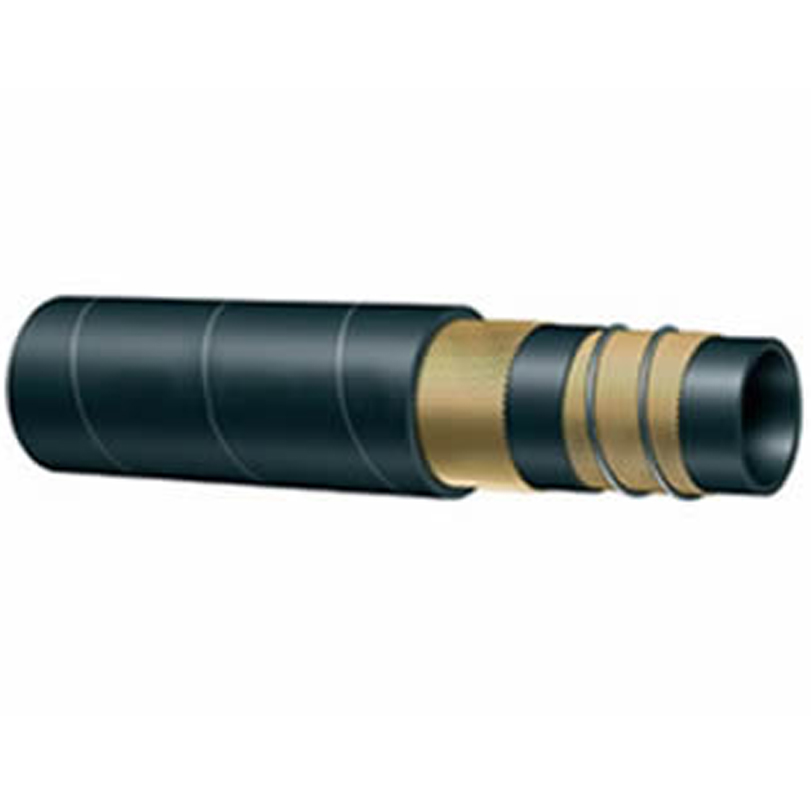
PTFE stainless steel braided hoses are composite structures engineered for fluid transfer in demanding applications across diverse industries, including automotive, chemical processing, aerospace, and medical. These hoses combine the chemical inertness and high-temperature resistance of Polytetrafluoroethylene (PTFE) with the mechanical strength and burst pressure capabilities provided by a stainless steel wire braid reinforcement. As an OEM supplier, providing these hoses requires stringent quality control and adherence to industry specifications. The core performance characteristics hinge on maintaining PTFE’s low coefficient of friction, exceptional resistance to corrosive media, and the structural integrity imparted by the braid, dictating the hose’s ability to handle high pressures and temperatures without failure. The selection process for end-users revolves around fluid compatibility, operating pressure, temperature range, and the required hose length and fitting configuration. A key industry pain point is ensuring consistent braid coverage and adhesion between the PTFE liner and the braid, impacting long-term reliability and resistance to permeation.
Material Science & Manufacturing
The primary material constituents are PTFE and various grades of stainless steel, typically 304 or 316. PTFE (C2F4)n is a synthetic fluoropolymer known for its exceptional chemical resistance, low friction coefficient, and wide temperature operating range (-200°C to +260°C). Raw PTFE resin is typically produced through emulsion or suspension polymerization, resulting in fine powders that require sintering to achieve desired mechanical properties. Stainless steel, an alloy of iron containing chromium (typically 18%), provides the structural reinforcement. Chromium imparts corrosion resistance through the formation of a passive chromium oxide layer. The manufacturing process begins with PTFE tube extrusion, where the resin powder is compressed and heated to form a seamless tube. Precise control of extrusion temperature and screw speed is crucial to achieve consistent wall thickness and avoid defects. The stainless steel braid is then helically wound over the extruded PTFE tube. Adhesion between the PTFE and stainless steel is a critical factor and is often achieved through surface treatment of the stainless steel, such as etching or application of an adhesive primer. Post-braiding, the hose undergoes a sintering process to consolidate the PTFE and ensure proper braid seating. Parameter control – particularly sintering temperature, time, and cooling rate – directly influences the mechanical properties and long-term durability of the finished hose. Potential defects include voids in the PTFE, incomplete braid coverage, and inadequate adhesion, all impacting performance.
Performance & Engineering
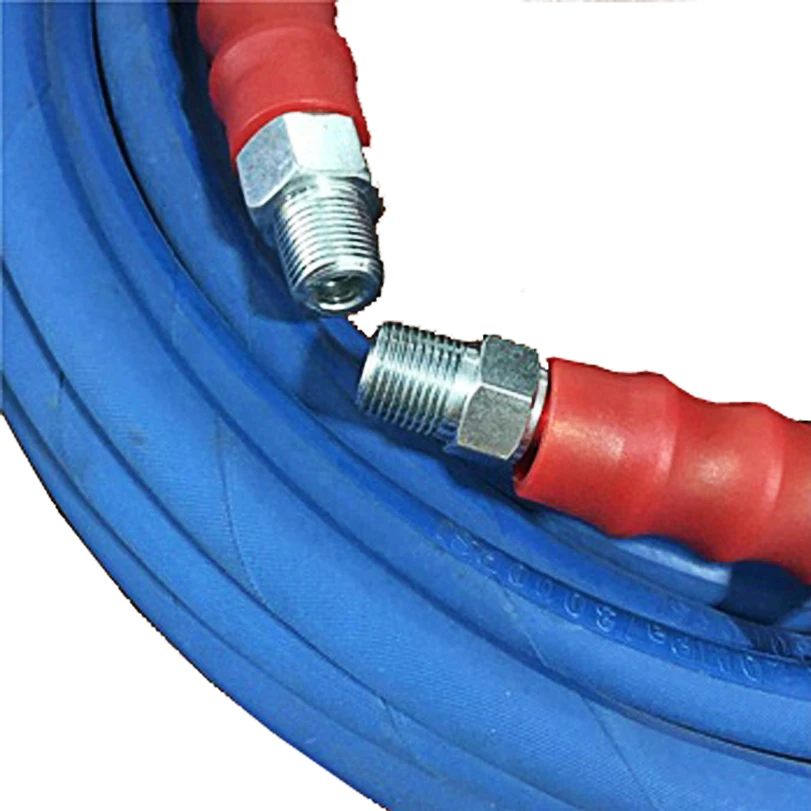
The performance of PTFE stainless steel braided hoses is fundamentally governed by pressure containment and fluid compatibility. Force analysis considers hoop stress within the PTFE liner and axial stress on the stainless steel braid under internal pressure. The braid’s helix angle significantly influences its ability to resist axial shortening and expansion under pressure. Higher helix angles provide greater axial strength but can increase flexibility. Burst pressure is a critical parameter, determined through hydrostatic testing according to standards like ISO 3092. Environmental resistance is paramount; PTFE is chemically inert to most corrosive fluids, but prolonged exposure to certain highly reactive chemicals (e.g., molten alkali metals) can lead to degradation. Temperature fluctuations induce thermal expansion and contraction, creating stress at the PTFE-braid interface. Compliance requirements depend on the application; for example, medical applications require biocompatibility (USP Class VI) and sterilization compatibility (autoclaving). Functional implementation necessitates careful consideration of fitting selection. Fittings must be compatible with PTFE and provide a leak-proof seal under the operating pressure and temperature. Common fitting materials include stainless steel, brass, and polypropylene. A critical engineering challenge is minimizing permeation of fluids through the PTFE liner, particularly for applications involving hazardous substances or strict emissions regulations. Braid density and PTFE wall thickness are key parameters controlling permeation rates.
Technical Specifications
| Parameter | Unit | Typical Value (304 SS Braid) | Typical Value (316 SS Braid) |
|---|---|---|---|
| Working Pressure | PSI | 300 | 500 |
| Burst Pressure | PSI | 900 | 1500 |
| Temperature Range | °F | -100 to +450 | -100 to +450 |
| PTFE Liner Thickness | mm | 0.8 - 2.0 | 0.8 - 2.0 |
| Braid Coverage | % | >95 | >95 |
| Fluid Compatibility | - | Excellent with most chemicals | Excellent with most chemicals; Superior corrosion resistance |
Failure Mode & Maintenance
Common failure modes in PTFE stainless steel braided hoses include burst failure due to exceeding the working pressure, permeation leading to leakage, braid degradation resulting in loss of structural integrity, and fitting failure at the connection points. Fatigue cracking in the braid can occur under cyclic pressure loading, particularly at points of high stress concentration. Delamination between the PTFE liner and the braid is a significant concern, often initiated by thermal cycling or mechanical abrasion. Degradation of the PTFE liner can occur with prolonged exposure to specific chemicals or high temperatures, leading to reduced flexibility and increased permeability. Oxidation of the stainless steel braid can occur at elevated temperatures, compromising its corrosion resistance. Maintenance involves regular visual inspection for signs of damage, such as cracks, kinks, or swelling. Periodic pressure testing can verify the hose’s integrity. Avoid sharp bends or excessive twisting, which can induce stress on the braid. For applications involving aggressive chemicals, ensure compatibility and replace the hose at recommended intervals. Proper storage – away from direct sunlight and extreme temperatures – helps prevent premature degradation. If leakage is detected, immediately shut down the system and replace the hose. Detailed failure analysis, including metallurgical examination of the braid and chemical analysis of the PTFE, can identify the root cause of failure and prevent recurrence.
Industry FAQ
Q: What is the impact of different stainless steel grades (304 vs. 316) on the hose’s performance and longevity?
A: 316 stainless steel offers superior corrosion resistance compared to 304 due to the addition of molybdenum. This is crucial in applications involving highly corrosive fluids, such as saltwater or strong acids. While 304 is suitable for many general-purpose applications, 316 extends the hose's lifespan and reliability in harsh environments, delaying braid degradation and maintaining structural integrity. The cost difference between the two materials is a key consideration, and the selection should be based on a thorough assessment of the operating environment.
Q: How does the braid angle affect the hose’s flexibility and burst pressure?
A: A shallower braid angle generally results in increased flexibility, allowing the hose to navigate tighter bends more easily. However, it also reduces the hose's axial strength and burst pressure capacity. A steeper braid angle provides greater axial strength and higher burst pressure but reduces flexibility. The optimal braid angle is a compromise between these two factors, tailored to the specific application requirements. OEMs often offer hoses with varying braid angles to meet diverse needs.
Q: What are the typical methods used to ensure proper adhesion between the PTFE liner and the stainless steel braid?
A: Several methods are employed to promote adhesion, including surface etching of the stainless steel braid to create a rough surface for mechanical interlocking. Applying an adhesive primer to the braid before winding is also common, creating a chemical bond with the PTFE. Sintering the hose at a controlled temperature and time ensures the PTFE flows into the braid interstices, further enhancing adhesion. Quality control checks, such as peel tests, are essential to verify the bond strength.
Q: What standards govern the testing and certification of PTFE stainless steel braided hoses?
A: Key standards include ISO 3092 (burst pressure testing), ISO 3968 (dimensional accuracy), and ASTM F404 (permeation testing). For medical applications, USP Class VI biocompatibility testing and sterilization validation are required. Compliance with RoHS and REACH regulations regarding hazardous substances is also essential for many markets. OEMs should provide documentation demonstrating compliance with relevant standards.
Q: What are the limitations of PTFE hoses regarding chemical compatibility, and are there alternative liner materials to consider?
A: While PTFE exhibits exceptional chemical resistance, it is susceptible to degradation by molten alkali metals and certain fluorinated compounds. Strong oxidizing agents can also cause some deterioration. For applications involving these aggressive chemicals, alternative liner materials, such as PFA (Perfluoroalkoxy) or FEP (Fluorinated Ethylene Propylene), may be considered, offering enhanced resistance in specific environments. However, these alternatives often come with trade-offs in terms of temperature resistance or mechanical properties.
Conclusion
PTFE stainless steel braided hoses represent a robust and reliable solution for fluid transfer in a broad spectrum of demanding applications. Their unique combination of chemical inertness, high-temperature resistance, and mechanical strength makes them indispensable across numerous industries. Successful implementation hinges on a thorough understanding of material properties, manufacturing processes, and performance characteristics. OEM suppliers play a critical role in ensuring consistent quality, adherence to industry standards, and providing technical expertise to address specific application challenges.
Looking forward, advancements in materials science and manufacturing techniques will continue to refine the performance and expand the application range of these hoses. Developments in PTFE formulations, such as incorporating fillers to enhance mechanical properties or reduce permeability, are anticipated. Furthermore, innovative braiding techniques and improved adhesion methods will contribute to increased durability and reliability. Continued focus on sustainability and compliance with evolving environmental regulations will drive the development of eco-friendly materials and manufacturing processes within the industry.