
Apr . 01, 2024 17:55 Back to list
oem profession manufacturer hydraulic hose suppliers Performance Engineering
Introduction
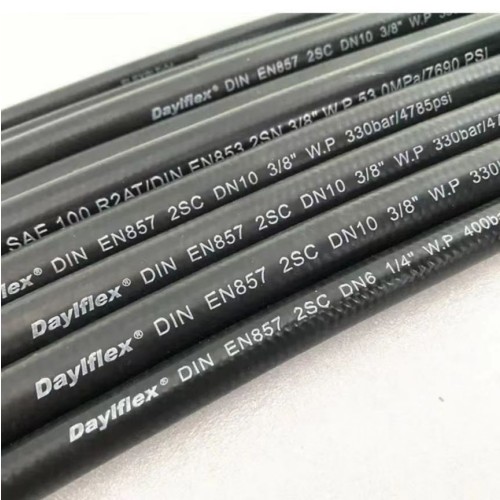
Hydraulic hoses, critical components in fluid power systems, facilitate the transmission of hydraulic fluid to actuators and other devices. OEM profession manufacturer hydraulic hose suppliers play a pivotal role in supporting industries such as construction, agriculture, mining, and manufacturing. These suppliers aren't merely distributors; they are engineering partners responsible for hose design, material selection, assembly, and quality control. The core performance characteristics – pressure rating, temperature resistance, fluid compatibility, and abrasion resistance – dictate the hose’s suitability for specific applications. A key industry pain point is maintaining consistent quality and meeting increasingly stringent safety regulations, particularly concerning burst pressure and environmental impact. The selection process extends beyond basic specifications, demanding consideration of hose construction (braid types, reinforcement layers), end fitting compatibility, and lifecycle cost analysis. The proliferation of synthetic fluids and the demand for lighter, more flexible hoses also drive ongoing innovation in this sector.
Material Science & Manufacturing
Hydraulic hoses are constructed from a combination of materials designed to withstand high pressures, varying temperatures, and aggressive fluids. The inner tube, commonly composed of synthetic rubbers like nitrile (NBR), ethylene propylene diene monomer (EPDM), or fluorocarbon (FKM/Viton), provides fluid resistance. NBR excels with petroleum-based hydraulic fluids, while EPDM is ideal for phosphate ester fluids and high-temperature applications. FKM offers superior resistance to a broad range of chemicals and extreme temperatures, but at a higher cost. Reinforcement layers are crucial for pressure containment, typically utilizing high-tensile steel wire (single or multiple braids), spiral steel wire, or synthetic fiber (aramid, rayon). The outer cover, often made of chloroprene (CR) or polyurethane, protects the reinforcement layers from abrasion, weathering, and chemical attack. Manufacturing processes involve extrusion of the inner tube and cover, followed by the application of reinforcement layers using automated winding or braiding machines. Critical parameters include extrusion temperature, curing time, braid density, and ply adhesion. Quality control relies heavily on non-destructive testing (NDT) methods such as ultrasonic inspection to detect flaws in the reinforcement and pressure testing to verify burst strength. Proper vulcanization of the rubber compounds is paramount for achieving desired mechanical properties and fluid resistance. Incorrect curing can lead to reduced tensile strength, cracking, and premature failure.
Performance & Engineering
The performance of a hydraulic hose is governed by several engineering principles. Burst pressure, a critical safety parameter, is determined by the hose’s construction and materials. It’s typically specified as a ratio to the working pressure, with safety factors ranging from 3:1 to 4:1. Fatigue life, the number of pressure cycles the hose can withstand before failure, is influenced by factors like amplitude, frequency, and fluid temperature. Hose flexure radius is crucial; exceeding the minimum bend radius can lead to kinking and premature failure. Environmental resistance demands consideration of ozone exposure, UV radiation, and chemical compatibility. Fluid compatibility affects the inner tube’s degradation rate; incorrect fluid selection can cause swelling, softening, or cracking. The hose's thermal expansion and contraction need to be accounted for in system design to prevent stress concentration at the fittings. Finite Element Analysis (FEA) is commonly employed to model hose behavior under pressure and bending, optimizing reinforcement layer configuration and material selection. Compliance requirements vary by region, with standards like SAE J517 and EN 856 dictating performance specifications and testing procedures. Proper hose routing, avoiding sharp bends and direct contact with hot surfaces, is essential for maximizing service life. Selecting the appropriate fitting type (crimped, field-attachable) and ensuring proper crimp dimensions are also critical for preventing leaks and failures.
Technical Specifications
| Parameter | SAE 100R1AT | SAE 100R2AT | DIN EN 856 R13 | DIN EN 856 R16 |
|---|---|---|---|---|
| Working Pressure (PSI) | 2000 | 3000 | 2500 | 4000 |
| Burst Pressure (PSI) | 8000 | 12000 | 10000 | 16000 |
| Temperature Range (°F) | -40 to 212 | -40 to 212 | -40 to 212 | -40 to 248 |
| Inner Tube | NBR | NBR | NBR | NBR |
| Reinforcement | Single Steel Wire Braid | Double Steel Wire Braid | Single Steel Wire Spiral | Double Steel Wire Spiral |
| Cover | CR | CR | CR | CR |
Failure Mode & Maintenance
Hydraulic hose failures manifest in several forms. Bursting is a catastrophic failure due to exceeding the working pressure or material degradation. Pinholing, characterized by small leaks in the inner tube, often results from fluid incompatibility or internal corrosion. Abrasion of the outer cover exposes the reinforcement layers to corrosion and damage. Kinking, caused by excessive bending, restricts fluid flow and weakens the hose. Hose twist, occurring during installation or operation, induces internal stress and can lead to premature failure. Delamination, separation of reinforcement layers, reduces pressure containment capacity. Failure analysis commonly employs microscopic examination of fracture surfaces to identify the root cause. Maintenance practices include regular visual inspections for signs of wear, abrasion, or leaks. Pressure testing should be performed periodically to verify hose integrity. Proper hose routing, avoiding contact with sharp objects and hot surfaces, is crucial. Fluid analysis can identify contaminants or degradation products that may compromise hose performance. Crimped fittings should be inspected for proper attachment and signs of corrosion. Hoses should be replaced based on manufacturer's recommendations or when signs of damage are observed. Implementing a preventative maintenance program, including hose tracking and scheduled replacements, can minimize downtime and enhance safety.
Industry FAQ
Q: What is the difference between a braided and spiral hydraulic hose?
A: Braided hoses utilize multiple layers of interwoven steel wire, offering excellent flexibility and resistance to kinking. Spiral hoses, on the other hand, employ a single, continuously wound steel wire, providing higher pressure ratings and superior burst strength but reduced flexibility. The choice depends on the application's pressure requirements and bend radius limitations.
Q: How does temperature affect hydraulic hose performance?
A: Elevated temperatures can accelerate the degradation of rubber compounds, reducing tensile strength and flexibility. Conversely, low temperatures can cause the rubber to become brittle and susceptible to cracking. Selecting a hose with a temperature rating appropriate for the operating environment is essential. Thermal expansion and contraction also need to be considered in system design.
Q: What is the significance of the hose fitting crimp?
A: The crimp secures the hose to the fitting, creating a leak-proof seal. An improperly crimped fitting can lead to leaks, hose blow-off, and potential injury. Crimp specifications must adhere to manufacturer recommendations and be verified using calibrated crimping equipment. The correct crimp diameter and indentation depth are critical parameters.
Q: How can I determine the appropriate hose size for my application?
A: Hose size selection requires considering the flow rate, fluid velocity, and pressure drop. Undersized hoses can lead to excessive pressure drop and heat generation. Oversized hoses can increase system response time and cost. Consulting with a hydraulic hose supplier and performing hydraulic calculations is recommended.
Q: What are the common causes of hydraulic hose leaks?
A: Common causes include deteriorated rubber compounds, loose or corroded fittings, damaged reinforcement layers, and incorrect crimping. Regular inspections and preventative maintenance can help identify and address potential leak sources before they lead to catastrophic failure.
Conclusion
The selection and maintenance of hydraulic hoses are critical for ensuring the reliability and safety of fluid power systems. OEM profession manufacturer hydraulic hose suppliers provide specialized expertise in material selection, hose construction, and application engineering. Understanding the core principles of material science, performance engineering, and failure analysis is essential for making informed decisions. Adhering to industry standards and implementing robust preventative maintenance programs are vital for maximizing hose service life and minimizing downtime.
Continuous advancements in materials and manufacturing techniques are driving innovation in the hydraulic hose industry, leading to higher pressure ratings, improved temperature resistance, and enhanced durability. Future trends include the development of smart hoses with embedded sensors for real-time monitoring of pressure, temperature, and fluid conditions, enabling predictive maintenance and improved system performance.