
Apr . 01, 2024 17:55 Back to list
oem profession manufacturer hydraulic hose manufacturers Performance Analysis
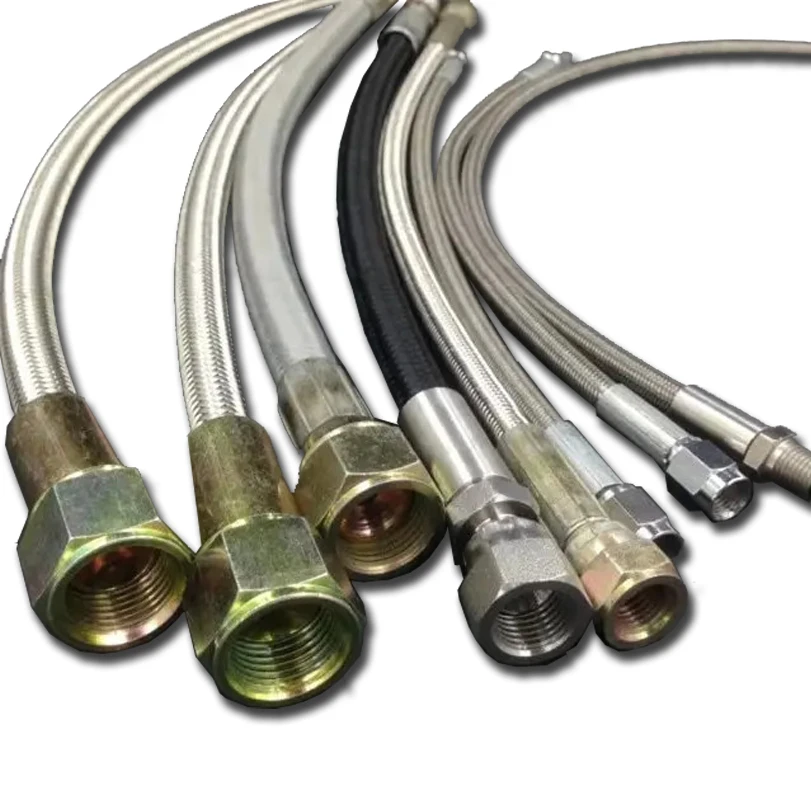
Introduction
Hydraulic hoses, manufactured by OEM profession manufacturers, are critical components in fluid power systems across diverse industries including construction, agriculture, manufacturing, and automotive. These hoses transmit hydraulic fluid to operate machinery, providing the force and control necessary for a wide range of applications. Their technical position within the supply chain is post-fitting manufacture, representing a highly engineered, application-specific product. Core performance characteristics revolve around pressure capacity, burst pressure, temperature resistance, fluid compatibility, and dimensional stability. A key industry pain point lies in maintaining consistent quality control in high-volume OEM production, ensuring each hose meets stringent performance criteria and avoids premature failure. Another critical challenge is managing material cost fluctuations – rubber, reinforcement materials, and coupling materials are subject to significant price volatility, impacting profitability. Finally, achieving long-term durability and resistance to environmental factors like abrasion, ozone, and UV exposure are ongoing concerns for manufacturers and end-users.
Material Science & Manufacturing
Hydraulic hose construction typically involves several layers. The inner tube, in direct contact with the fluid, is commonly composed of synthetic rubber compounds like nitrile (NBR), ethylene propylene diene monomer (EPDM), or fluorocarbon (FKM/Viton), selected based on fluid compatibility and temperature requirements. NBR offers good oil resistance, EPDM excels in water and weather resistance, and FKM provides superior chemical and temperature resistance. Reinforcement layers, providing tensile strength, are typically braided or spiraled high-tensile steel wire, or synthetic fiber such as aramid. The number and configuration of these layers directly impact the hose’s pressure rating. The outer cover, protecting against abrasion and environmental degradation, usually utilizes a synthetic rubber compound like chloroprene (CR) or polyurethane (PU). Manufacturing processes vary by hose type. Braided hoses involve winding steel wire around a mandrel, followed by extrusion of the inner tube and outer cover, and vulcanization. Spiraled hoses employ continuous winding of steel wire around a preformed inner tube, followed by cover extrusion. Key parameter control during manufacturing includes precise wire tension control during braiding/spiraling, consistent rubber compound mixing and extrusion temperatures, and accurate vulcanization time and temperature to achieve optimal crosslinking of the rubber polymers. Proper quality control checks at each stage—material inspection, dimensional verification, burst pressure testing—are essential. Dimensional tolerances, particularly inner diameter and outer diameter, are critical for proper fitting compatibility.

Performance & Engineering
Hydraulic hose performance is governed by principles of fluid mechanics and material strength. Force analysis focuses on hoop stress within the hose wall due to internal pressure. Higher pressures necessitate greater reinforcement and robust materials. Fatigue analysis is critical, as hoses are subjected to cyclic pressure fluctuations during operation, potentially leading to fatigue failure. Environmental resistance is paramount; prolonged exposure to extreme temperatures, UV radiation, ozone, and corrosive fluids can degrade the rubber compounds, reducing flexibility and increasing the risk of cracking. Compliance requirements, such as SAE J517, EN 853, and DIN EN 489, specify minimum performance standards for burst pressure, impulse pressure, temperature range, and fluid compatibility. Functional implementation demands careful consideration of hose routing, bend radius, and fitting selection. Excessive bending can induce stress concentrations and shorten hose life. Improper fitting installation can lead to leaks and premature failure. Furthermore, the selection of the correct hose for the intended hydraulic fluid is essential, as incompatibility can cause swelling, degradation, or clogging. Electrostatic discharge (ESD) considerations may be necessary in certain applications involving flammable fluids.
Technical Specifications
| Parameter | SAE J517 R1AT | EN 853 1SN | DIN EN 489 |
|---|---|---|---|
| Working Pressure (PSI) | 1500 | 250 bar (3625 PSI) | 250 bar (3625 PSI) |
| Burst Pressure (PSI) | 4500 | 750 bar (10875 PSI) | 750 bar (10875 PSI) |
| Temperature Range (°F) | -40 to +212 | -40 to +100 | -40 to +100 |
| Reinforcement | Single Steel Wire Braid | Single Steel Wire Braid | Single Steel Wire Braid |
| Inner Tube | NBR (Nitrile Rubber) | NBR (Nitrile Rubber) | NBR (Nitrile Rubber) |
| Outer Cover | CR (Chloroprene Rubber) | CR (Chloroprene Rubber) | CR (Chloroprene Rubber) |
Failure Mode & Maintenance
Common hydraulic hose failure modes include burst failure due to exceeding pressure limits, fatigue cracking resulting from cyclic pressure loading, abrasion damage from external contact, pinhole leaks caused by corrosion or manufacturing defects, and fitting failures due to improper installation or material degradation. Failure analysis often reveals root causes like inadequate reinforcement, material incompatibility, excessive bending, or contamination of the hydraulic fluid. Fatigue cracking typically initiates at stress concentration points, such as near fittings or damaged areas. Delamination can occur between layers due to inadequate bonding or exposure to harsh chemicals. Oxidation of rubber compounds leads to hardening and cracking. Preventative maintenance is crucial. Regular visual inspections should identify signs of abrasion, cracking, or swelling. Hose routing should be optimized to minimize bending and avoid contact with abrasive surfaces. Hydraulic fluid should be regularly filtered to remove contaminants. Fittings should be inspected for corrosion and proper torque. Hoses should be replaced at recommended intervals, based on operating conditions and fluid type. Correct hose handling practices during storage and installation are essential to prevent damage.
Industry FAQ
Q: What is the significance of impulse pressure rating in hydraulic hose selection?
A: Impulse pressure rating indicates the hose’s ability to withstand pressure spikes and pulsations in the hydraulic system. Exceeding the impulse pressure rating can lead to premature fatigue failure, even if the working pressure is within limits. It’s crucial to select a hose with an impulse rating sufficient for the application’s dynamic pressure conditions.
Q: How does fluid compatibility impact hose lifespan?
A: Incompatible fluids can cause swelling, softening, or degradation of the inner tube material, leading to leaks or hose failure. The hose’s inner tube material must be chemically compatible with the hydraulic fluid being used. Consult material compatibility charts to ensure proper selection.
Q: What are the best practices for minimizing hose twist during installation?
A: Hose twist introduces stress and can reduce the hose’s effective burst pressure. Prior to installation, ensure the hose is untwisted and lies flat. Use swivel fittings where appropriate to accommodate minor misalignment and prevent twisting during operation. Avoid forcing the hose into tight bends.
Q: What is the role of the outer cover in hydraulic hose performance?
A: The outer cover protects the reinforcement layers from abrasion, UV exposure, ozone, and other environmental factors. It contributes to the hose’s overall durability and resistance to external damage. Different cover materials offer varying levels of protection based on the application's environmental conditions.
Q: How important is proper fitting selection and installation?
A: Proper fitting selection and installation are critical for ensuring a leak-free and reliable connection. Incorrectly sized or installed fittings can create stress concentrations and lead to premature failure. Fittings must be rated for the hose’s working pressure and compatible with the hose’s end configuration. Proper torqueing of fittings is essential for maintaining a secure seal.
Conclusion
The selection and implementation of hydraulic hoses, particularly those manufactured by OEM profession manufacturers, demand a comprehensive understanding of material science, manufacturing processes, and performance parameters. Maintaining consistent quality control, adhering to industry standards, and prioritizing preventative maintenance are paramount to ensuring reliability and minimizing costly downtime. The key to successful hydraulic system operation lies not just in the hose itself, but in the holistic integration of hose, fittings, and fluid compatibility.
Future advancements in hydraulic hose technology are likely to focus on developing lighter-weight materials, enhancing abrasion resistance, and integrating smart sensing capabilities for real-time monitoring of hose condition and performance. Continued research into polymer chemistry and reinforcement materials will drive improvements in burst pressure, temperature resistance, and fluid compatibility. The implementation of predictive maintenance strategies, leveraging data from embedded sensors, will further optimize hose lifespan and reduce the risk of catastrophic failure.