
Apr . 01, 2024 17:55 Back to list
oem profession manufacturer hydraulic hose manufacturer Technical Analysis
Introduction
Hydraulic hoses, critical components in fluid power systems, serve as the arteries transferring pressurized fluid to actuators and other hydraulic machinery. OEM (Original Equipment Manufacturer) professional hydraulic hose manufacturing represents a specialized sector focused on producing hoses to precise specifications for integration into larger systems. These hoses differ significantly from retail replacements, emphasizing performance, durability, and adherence to stringent industry standards. The market demand is driven by sectors including construction equipment, agricultural machinery, material handling, mining, oil & gas, and industrial manufacturing. Core performance characteristics revolve around pressure rating, temperature resistance, fluid compatibility, and bend radius, with failures leading to costly downtime and potential safety hazards. This guide offers an in-depth technical analysis of hydraulic hose manufacturing, encompassing material science, production processes, performance parameters, failure modes, and relevant industry standards.
Material Science & Manufacturing
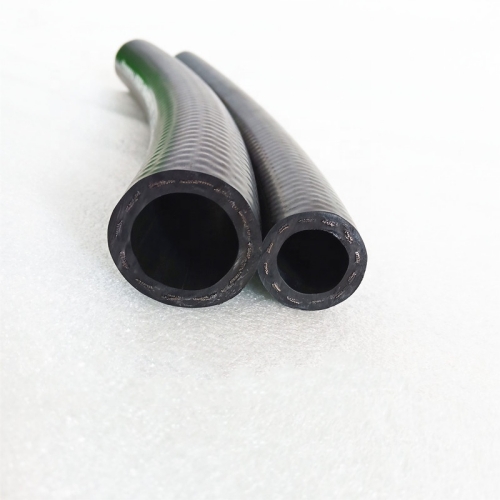
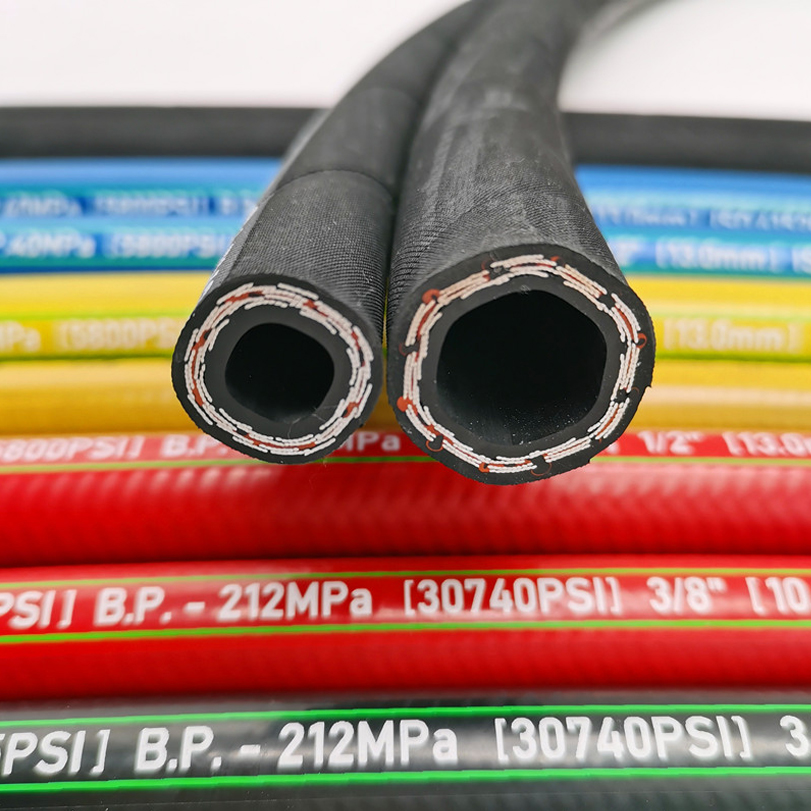
Hydraulic hoses are typically constructed from multiple layers, each serving a specific purpose. The inner tube, in direct contact with the fluid, is often composed of synthetic rubbers like Nitrile (NBR), Ethylene Propylene Diene Monomer (EPDM), or Fluorocarbon (FKM/Viton), selected based on fluid compatibility (petroleum-based fluids typically require NBR, while phosphate ester fluids demand FKM). Reinforcement layers provide strength and pressure resistance. These commonly involve high-tensile steel wire (single or multiple braids), spiraled steel wire, or synthetic fiber braids (e.g., polyester, aramid). The outer cover, providing environmental protection, is generally made from Chloroprene (CR) rubber, offering abrasion, ozone, and weathering resistance. Manufacturing processes vary depending on hose type and construction. Braided hoses are produced by simultaneously extruding the inner tube and interweaving the reinforcement wires using a specialized braiding machine. Spiraled hoses involve continuously winding steel wire around a pre-extruded inner tube, followed by the application of the outer cover. Critical parameters during extrusion include die temperature, screw speed, and material viscosity, impacting the dimensional accuracy and uniformity of the inner tube. Braiding tension and pitch are crucial for pressure rating, requiring precise control. Curing processes – typically employing steam or hot air – are vital for achieving optimal rubber vulcanization and physical properties. Quality control involves hydrostatic testing (burst pressure verification), impulse testing (simulating pressure pulsations), and dimensional inspections to ensure compliance with specifications.
Performance & Engineering
The performance of a hydraulic hose is fundamentally governed by its ability to withstand internal pressure, external loads, and environmental stresses. Force analysis involves assessing hoop stress within the hose wall, calculated using the Barlow’s formula (P = 2St/D, where P is pressure, S is tensile strength, t is wall thickness, and D is diameter). Fatigue life is a critical concern, especially in applications with cyclical pressure loads. Impulse testing (simulating pressure pulsations) is crucial for evaluating resistance to fatigue failure. Bend radius is a key engineering parameter. Exceeding the minimum bend radius induces excessive stress on the hose reinforcement, leading to premature failure. Environmental resistance encompasses temperature stability (both high and low), fluid compatibility (preventing swelling, degradation, or leaching of materials), and UV/ozone resistance (preventing rubber cracking and embrittlement). Compliance requirements vary by region and application, often dictated by standards like SAE J517 (hydraulic hose performance), ISO 6899 (hydraulic hose assemblies), and OEM-specific specifications. Furthermore, hose assemblies require careful consideration of end fittings (types, materials, crimp quality) as these are frequent failure points. Proper crimping procedures, utilizing calibrated crimping machines and dies, are essential for ensuring a secure and leak-proof connection.
Technical Specifications
| Parameter | Unit | SAE 100R2AT | DIN EN 853 2SN |
|---|---|---|---|
| Working Pressure | MPa | 20.7 | 16 |
| Burst Pressure | MPa | 82.7 | 64 |
| Temperature Range | °C | -40 to +100 | -40 to +100 |
| Inner Tube | Material | Synthetic Rubber (NBR) | Synthetic Rubber (NBR) |
| Reinforcement | Material | Two Steel Wire Braids | Two Steel Wire Spirals |
| Outer Cover | Material | Synthetic Rubber (CR) | Synthetic Rubber (CR) |
Failure Mode & Maintenance
Hydraulic hose failure modes are diverse. Fatigue cracking, induced by cyclical pressure and bending stresses, is a common occurrence, particularly in high-cycle applications. Delamination, separating of the layers, often results from improper curing or material incompatibility. Abrasion, caused by external contact with abrasive surfaces, degrades the outer cover, exposing the reinforcement. Oxidation and UV degradation lead to rubber hardening and cracking, reducing flexibility and increasing susceptibility to failure. Internal degradation, stemming from fluid incompatibility or contamination, can cause swelling, softening, or leaching of the inner tube material. Pinholes, minute punctures in the inner tube, result in fluid leakage. Maintenance involves regular visual inspections for signs of damage (cracks, abrasions, bulges). Pressure testing should be conducted periodically to verify hose integrity. Proper hose routing, avoiding sharp bends and excessive stress, is crucial. Fluid filtration is essential to remove contaminants that can accelerate internal degradation. When replacing hoses, it's vital to use compatible fittings and follow recommended crimping procedures. Bent tubes and improperly aligned connections place undue stress on the hose. Furthermore, the correct hose selection for the specific application (pressure, temperature, fluid) is paramount. Record keeping of hose replacement dates and inspection findings facilitates proactive maintenance and prevents catastrophic failures.
Industry FAQ
Q: What is the significance of "layflat diameter" in hydraulic hose specifications?
A: Layflat diameter refers to the diameter of the hose when it's fully flattened without kinking. It's crucial for storage and handling, impacting the ease of coiling and minimizing space requirements. A smaller layflat diameter generally indicates a more flexible hose construction.
Q: How does temperature affect the working pressure of a hydraulic hose?
A: Increased temperature generally reduces the working pressure of a hydraulic hose. Higher temperatures decrease the rubber's tensile strength and elasticity, making it more susceptible to failure. Hose manufacturers provide derating charts indicating permissible working pressure at various temperatures.
Q: What is the importance of selecting the correct hose end fitting material?
A: The hose end fitting material must be compatible with both the hose material and the hydraulic fluid. Incompatible materials can lead to corrosion, degradation, and leakage. Common fitting materials include carbon steel, stainless steel, and brass, each suited for specific applications.
Q: What are the best practices for storing hydraulic hoses to maximize their lifespan?
A: Hydraulic hoses should be stored in a cool, dry, and dark environment, away from direct sunlight, ozone sources, and extreme temperatures. They should be coiled loosely to avoid kinking and stored horizontally to prevent distortion. Protect hoses from abrasion and physical damage.
Q: How do I determine the correct hose size for a given application?
A: Hose size selection depends on flow rate, pressure drop, and velocity requirements. Consult the manufacturer's flow rate charts and pressure drop calculations to determine the appropriate inner diameter. The hose ID must accommodate the required flow without exceeding permissible velocity limits.
Conclusion
The manufacturing and selection of OEM hydraulic hoses demand a comprehensive understanding of material science, engineering principles, and industry standards. Proper hose construction, utilizing compatible materials and precise manufacturing controls, is paramount for ensuring reliable performance and longevity. A meticulous approach to performance engineering, including accurate force analysis, environmental resistance assessment, and compliance verification, is essential for minimizing failure risk.
Ongoing maintenance, encompassing regular inspections, pressure testing, and fluid filtration, is crucial for maximizing hose lifespan and preventing catastrophic failures. Adherence to relevant international standards (SAE, ISO, DIN, EN) provides a framework for quality assurance and product safety. Ultimately, selecting the correct hose for the specific application and implementing a proactive maintenance program are critical for optimizing system performance and minimizing downtime.