
Apr . 01, 2024 17:55 Back to list
oem profession manufacturer hydraulic hose factories Performance Analysis

Introduction
Hydraulic hoses, manufactured by OEM profession manufacturers, are critical components in fluid power systems across diverse industries including construction, agriculture, mining, and manufacturing. These hoses are engineered to safely and efficiently transmit pressurized hydraulic fluid, facilitating the operation of heavy machinery and essential processes. The core performance criteria revolve around pressure capacity, flexibility, temperature resistance, and fluid compatibility. OEM manufacturers specializing in hydraulic hoses operate within a highly regulated framework, demanding stringent quality control and adherence to international standards. The primary challenge facing end-users is selecting a hose assembly that precisely matches the application demands – mismatched specifications lead to premature failure, system downtime, and potentially hazardous conditions. This guide provides an in-depth analysis of hydraulic hose technology, covering material science, manufacturing processes, performance parameters, failure modes, and relevant industry standards, specifically geared toward procurement and engineering professionals within B2B industrial contexts.
Material Science & Manufacturing
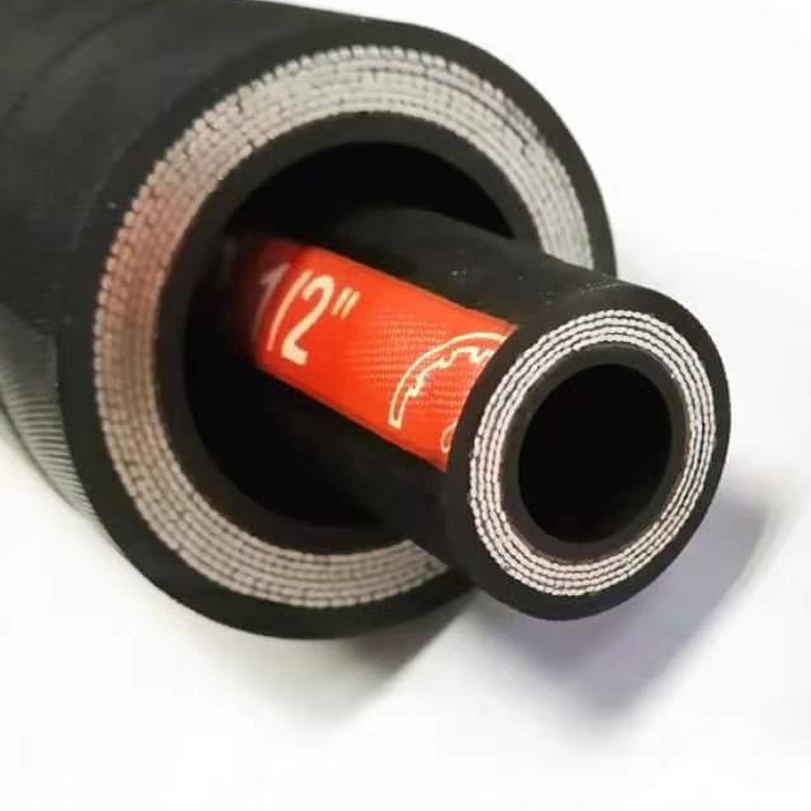
Hydraulic hoses are typically constructed from several layers, each contributing to specific performance characteristics. The inner tube, in direct contact with the hydraulic fluid, is commonly composed of nitrile rubber (NBR), also known as Buna-N, for its excellent resistance to petroleum-based fluids. Alternatives like chlorinated polyethylene (CPE) are used for enhanced ozone and weathering resistance. The reinforcement layer is critical for withstanding internal pressure and preventing hose bursting. This layer often consists of high-tensile steel wire, spirally or braided, with the number and configuration of wires dictating the pressure rating. Synthetic fiber reinforcement, like aramid (Kevlar), is employed for applications requiring flexibility and lightweight properties. The outer cover provides abrasion, weather, and chemical resistance, commonly utilizing synthetic rubbers like polyurethane or chloroprene. Manufacturing processes vary depending on hose type and reinforcement. Braided hoses are created by interlacing wires around a mandrel, followed by vulcanization to bond the layers. Spiraled hoses involve winding pre-formed steel wire around an inner tube, again followed by vulcanization. Key parameter control during manufacturing includes precise wire tensioning during braiding/spiraling, consistent rubber compound mixing and curing temperatures, and dimensional accuracy to ensure proper fitting and sealing. The quality of the bonding between layers is paramount; delamination is a common failure mode addressed through rigorous adhesion testing.
Performance & Engineering
Hydraulic hose performance is governed by a complex interplay of internal pressure, external load, temperature, and fluid compatibility. Force analysis, particularly burst pressure calculation, relies on the reinforcement layer’s tensile strength and the inner tube's ability to contain the fluid. The hoop stress within the hose wall dictates its resistance to bursting under pressure. Flexibility, crucial for routing hoses in confined spaces, is determined by the reinforcement construction (braid angle, wire diameter) and the elasticity of the rubber compounds. Environmental resistance involves evaluating the hose's ability to withstand exposure to ozone, UV radiation, extreme temperatures, and corrosive chemicals. Compliance requirements are stringent, dictated by industry-specific regulations and standards (detailed in the footer). Functional implementation necessitates consideration of hose length, end fitting type (e.g., crimped, swaged, threaded), and bend radius to avoid kinking and flow restriction. A critical performance metric is the pressure drop across the hose length, which is influenced by inner diameter and fluid viscosity. Proper hose routing and support are also essential to prevent excessive bending, abrasion, and impact damage. Electromagnetic compatibility (EMC) can also be a factor in certain applications, requiring shielding or specialized hose constructions to mitigate interference.
Technical Specifications
| Parameter | Unit | SAE 100R1 AT | SAE 100R2 AT | DIN EN 853 1SN | DIN EN 857 1ST |
|---|---|---|---|---|---|
| Working Pressure | MPa | 20.7 | 34.5 | 20.6 | 25 |
| Burst Pressure | MPa | 82.7 | 138 | 82.3 | 100 |
| Temperature Range | °C | -40 to +100 | -40 to +121 | -40 to +100 | -40 to +100 |
| Inner Tube | Material | NBR | NBR | NBR | NBR |
| Reinforcement | Type | 1 Wire Braid | 2 Wire Braid | 1 Wire Spiral | 2 Steel Wire Spiral |
| Outer Cover | Material | CR | CR | CR | CR |
Failure Mode & Maintenance
Hydraulic hose failures manifest in several forms, stemming from degradation of materials, exceeding pressure limits, or external damage. Fatigue cracking, particularly in the reinforcement layer, occurs due to cyclical pressure fluctuations. Delamination, a separation of layers, compromises the hose’s structural integrity. Abrasion and impact damage can compromise the outer cover, exposing the reinforcement to corrosion. Chemical attack by incompatible fluids causes swelling, softening, or cracking of the inner tube. Oxidation and weathering degrade the rubber compounds, reducing their flexibility and strength. Pinholes can develop in the inner tube, leading to fluid leakage. Maintenance is crucial for extending hose lifespan and preventing catastrophic failures. Regular visual inspections should identify signs of abrasion, cracking, bulging, or leaks. Pressure testing can detect internal weakening. Proper hose routing, support, and guarding prevent external damage. Fluid cleanliness is paramount; particulate contamination accelerates wear. Crimped fittings should be inspected for proper seal integrity. Avoid over-bending and kinking. Replacing hoses at recommended intervals, based on application severity and operating conditions, is a proactive maintenance strategy. Keeping detailed records of hose installations, inspections, and replacements facilitates predictive maintenance and risk management.
Industry FAQ
Q: What is the impact of fluid velocity on hose life?
A: Higher fluid velocity increases pressure drop and can cause erosion of the inner tube, particularly with abrasive fluids. It also exacerbates the effects of cavitation, which can lead to pitting and cracking. Optimizing system design to minimize fluid velocity is critical for extending hose life.
Q: How does temperature affect hose performance?
A: Elevated temperatures can degrade rubber compounds, reducing their flexibility and strength. Extremely low temperatures can cause hoses to become brittle and prone to cracking. Selecting a hose rated for the operating temperature range is essential.
Q: What are the advantages of spiral hoses over braided hoses?
A: Spiral hoses generally offer higher pressure ratings and improved flexibility compared to braided hoses. They are better suited for applications requiring frequent bending or high-pressure operation. However, they can be more expensive.
Q: What is the proper procedure for crimping hose fittings?
A: Proper crimping requires using the correct die set, hose size, and fitting type. The crimp must be even and secure, creating a leak-proof seal. Incorrect crimping can lead to premature failure. It is vital to follow the fitting manufacturer’s instructions and use calibrated crimping equipment.
Q: What role does hose guarding play in preventing failures?
A: Hose guarding protects the hose from abrasion, impact damage, and excessive bending. It also prevents entanglement and whip hazards in the event of a hose rupture. Proper guarding significantly enhances hose safety and longevity.
Conclusion
The selection and maintenance of hydraulic hoses are crucial for ensuring the reliability and safety of fluid power systems. OEM profession manufacturers provide a diverse range of hose constructions, each tailored to specific application demands. Understanding the material science, manufacturing processes, and performance characteristics of these hoses is essential for procurement and engineering professionals. A proactive approach to maintenance, including regular inspections, fluid cleanliness control, and adherence to recommended replacement intervals, significantly extends hose lifespan and minimizes the risk of costly downtime and hazardous failures.
Future trends in hydraulic hose technology focus on developing lighter-weight, higher-strength materials, improving fluid compatibility, and incorporating smart sensing capabilities for real-time monitoring of hose condition. Advanced materials like thermoplastic composites are being explored to enhance performance and reduce weight. Predictive maintenance strategies, utilizing sensor data and machine learning algorithms, will become increasingly prevalent, allowing for proactive hose replacement before failures occur. Continued adherence to international standards and industry best practices remains paramount for ensuring the safety and reliability of hydraulic systems.